 English
 Pусский
 Español


 Saudi Arabia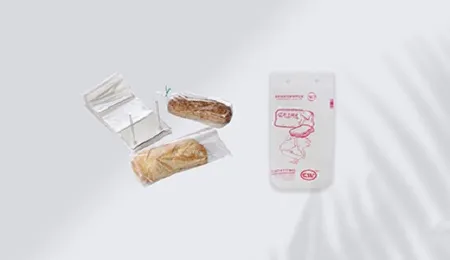
.webp)
FAQ about Side Sealing Bag Making Machine
We offer after-sales support to keep your production going.
This includes online advice 24/7, on-site commissioning.
How does the CHOVYPLAS Side Sealing Bag Making Machine handle thin or stretchy biodegradable films (e.g., PBAT/PLA blends)?
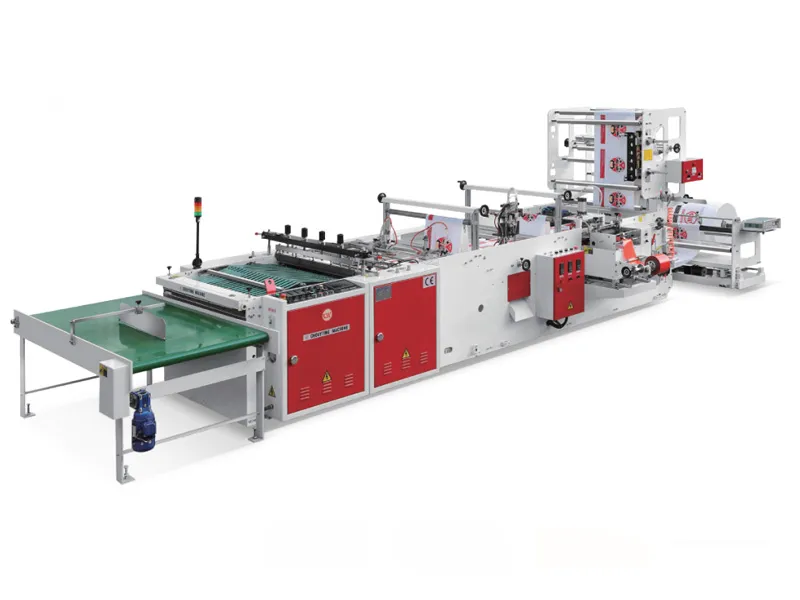
The CHOVYPLAS Side Sealing Bag Making Machine features a specialized low-tension film feeding system and adjustable heat-seal pressure, optimized for thin (≤20μm) or stretchy biodegradable films. Its precision servo motors prevent film stretching or tearing, while the dual-temperature sealing system ensures strong, uniform seals—critical for biodegradable materials that are sensitive to heat. This ensures consistent quality for eco-friendly packaging.
Can the CHOVYPLAS Side Sealing Bag Making Machine integrate with automatic feeding or inspection systems?
Absolutely. The machine is designed with standardized interfaces to connect with automatic film unwinding machines, material tension controllers, and online quality inspection systems (e.g., for detecting seal defects or printing errors). This integration forms a fully automated production line, reducing manual labor by 40% and improving overall production efficiency. We provide technical drawings and compatibility guidelines for seamless setup.
Can the CHOVYPLAS Side Sealing Bag Making Machine integrate zipper installation or easy-tear notch functions?
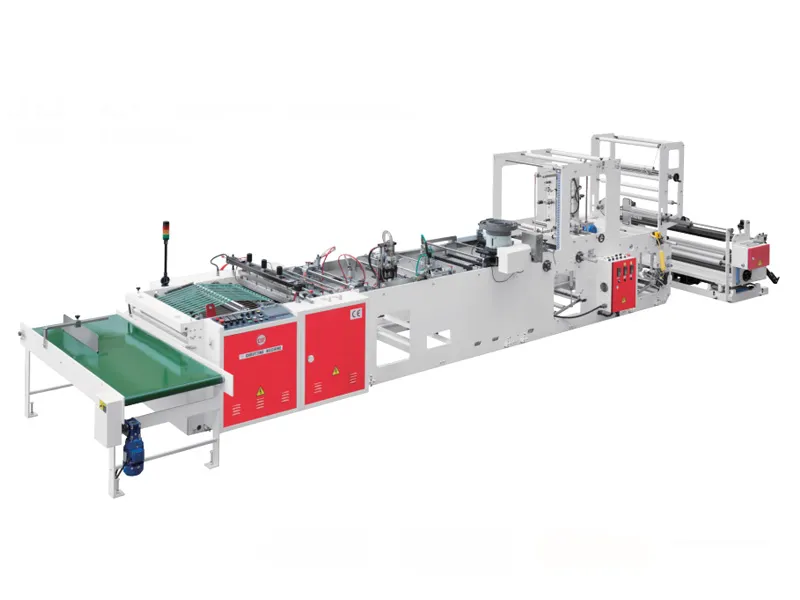
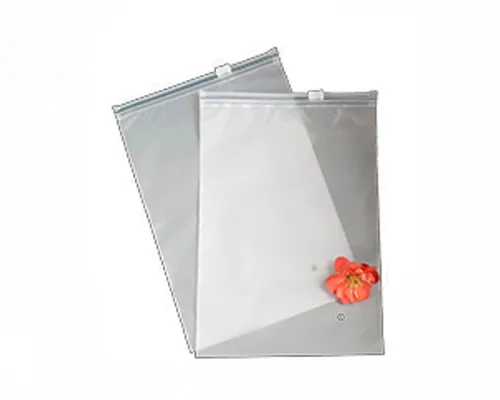
Absolutely. The CHOVYPLAS Side Sealing Bag Making Machine supports optional zipper installation modules and easy-tear notch devices. It can seamlessly add zippers (ziplock, slider zippers) for reusable bags or precise tear notches for convenient opening, suitable for food, electronics, and daily chemical packaging. Customization of zipper types and notch positions is available based on your bag design.
Can I get a sample of a printed side-sealing bag produced by the CHOVYPLAS Side Sealing Bag Making Machine?
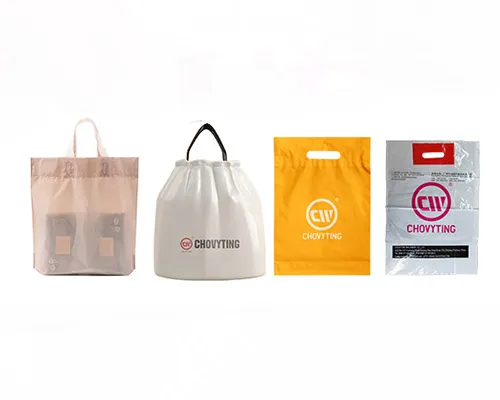
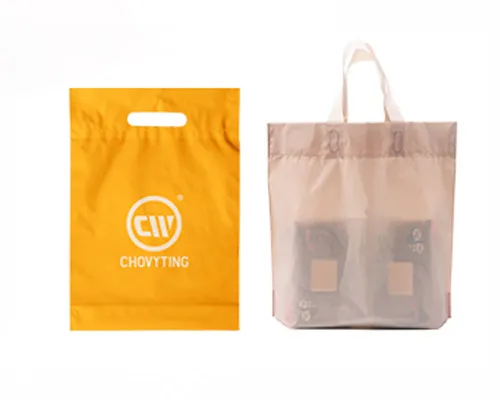
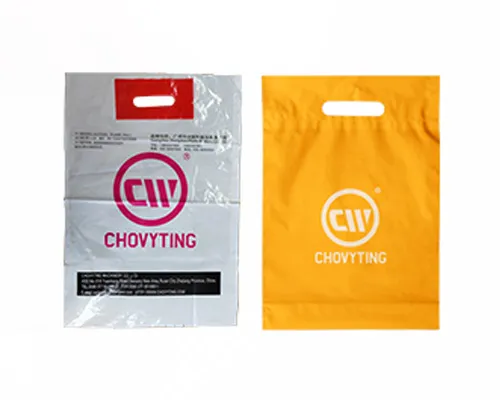
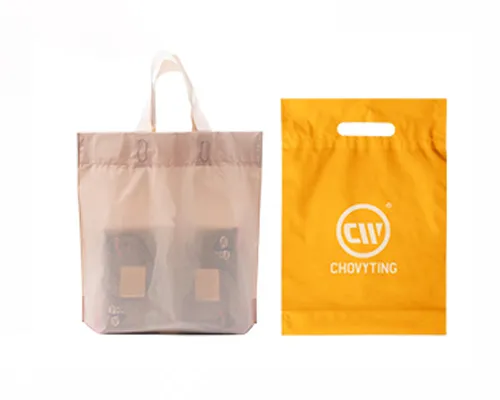
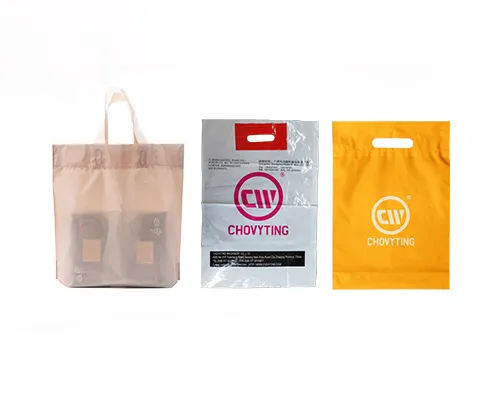
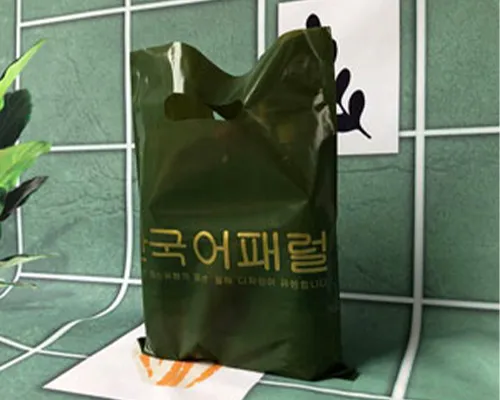
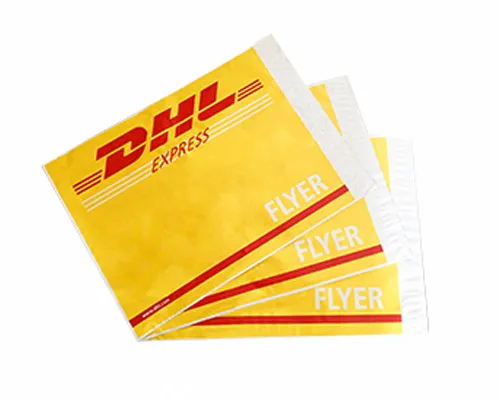
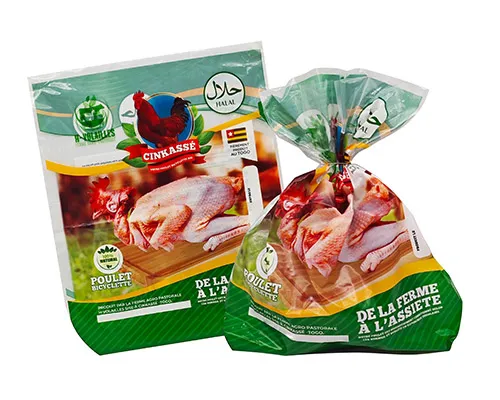
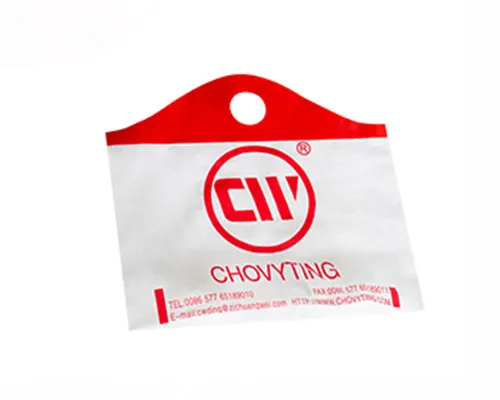
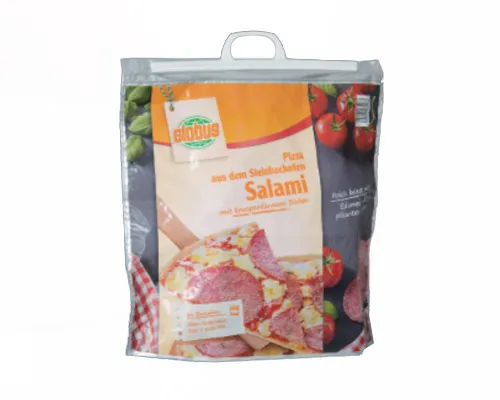
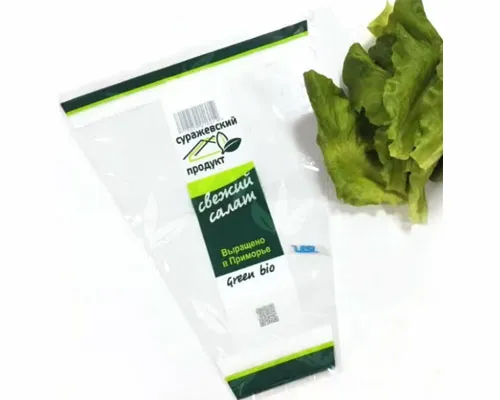
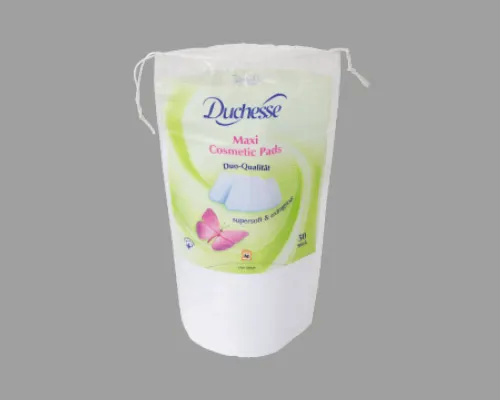
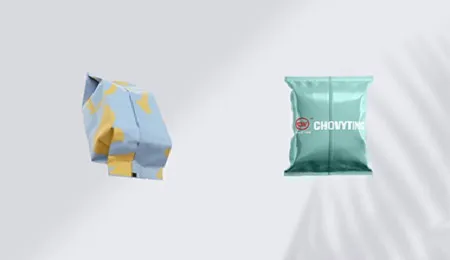
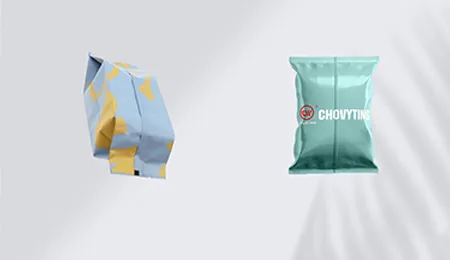
Certainly. We offer free printed side-sealing bag samples with your custom logo, pattern, or text. Simply provide your design files and material requirements, and we’ll produce and ship samples within 5-7 days. The samples showcase the machine’s printing alignment accuracy and sealing quality.
What automatic fault alarm functions does the CHOVYPLAS Side Sealing Bag Making Machine have?
It features multiple automatic fault alarms: film breakage alarm (stops production immediately), tension imbalance alarm, sealing temperature deviation alarm, and counting error alarm. Alerts are displayed on the touch screen with solution prompts, preventing defective products and equipment damage.
Does the CHOVYPLAS Side Sealing Bag Making Machine have remote diagnostic capabilities?
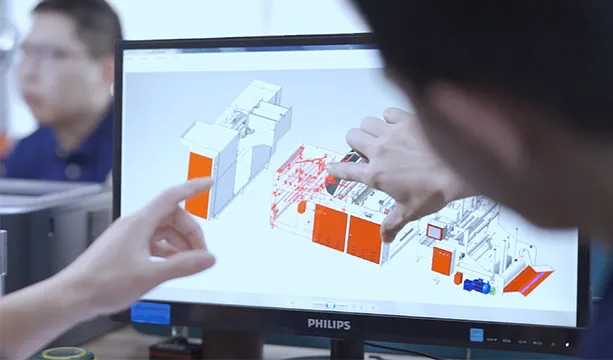
Yes. It’s equipped with an intelligent remote diagnostic system. Technical experts can access real-time equipment data (e.g., speed, temperature, error codes) remotely, quickly identify issues, and provide troubleshooting solutions. This minimizes downtime and reduces on-site service costs.
Can the CHOVYPLAS Side Sealing Bag Making Machine be customized with different sealing methods?
Absolutely. The CHOVYPLAS Side Sealing Bag Making Machine supports customization of sealing methods: hot air sealing (for general films), ultrasonic sealing (for thick or tough materials), and pulse sealing (for heat-sensitive films). We tailor the sealing system to your raw materials and bag usage scenarios.
Does the CHOVYPLAS Side Sealing Bag Making Machine support co-extruded plastic films?
Yes. The CHOVYPLAS Side Sealing Bag Making Machine is fully compatible with co-extruded films like PE/PA, PE/EVOH, and PP/PE. It features precise temperature control and pressure adjustment to handle high-barrier co-extruded materials, ensuring strong seals for fresh-keeping and long-term storage needs.
What specific types of side-sealing bags can the CHOVYPLAS Side Sealing Bag Making Machine produce?
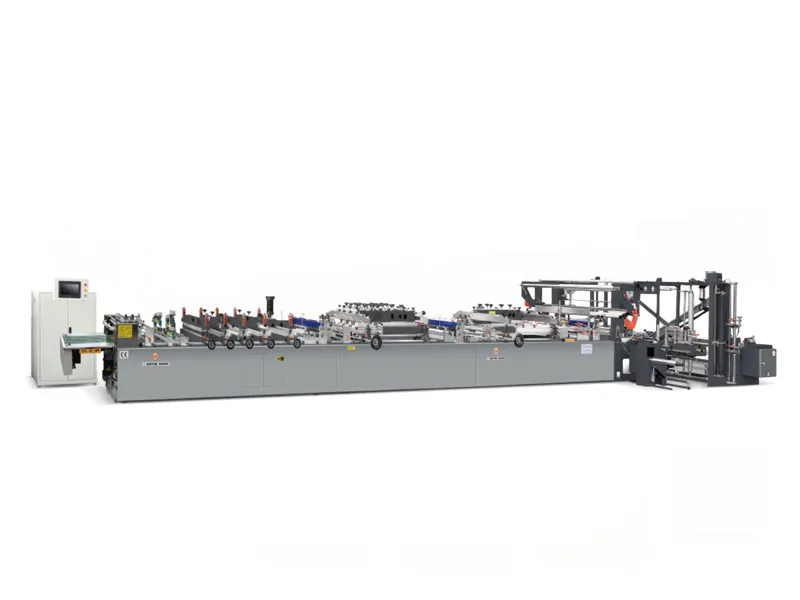
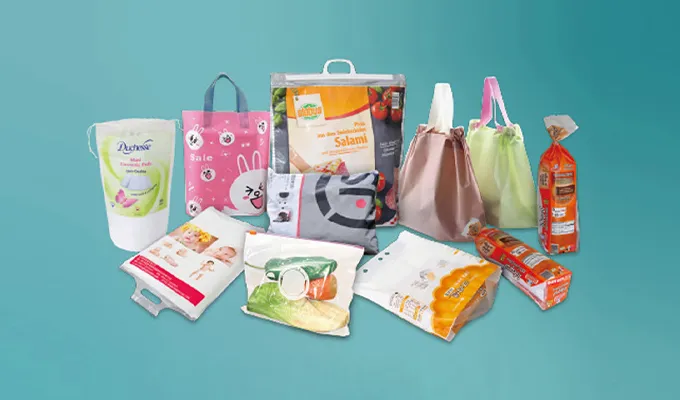
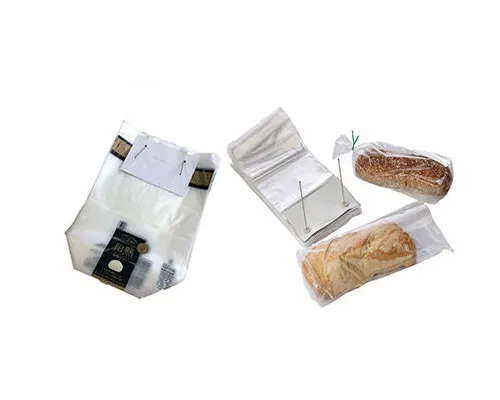
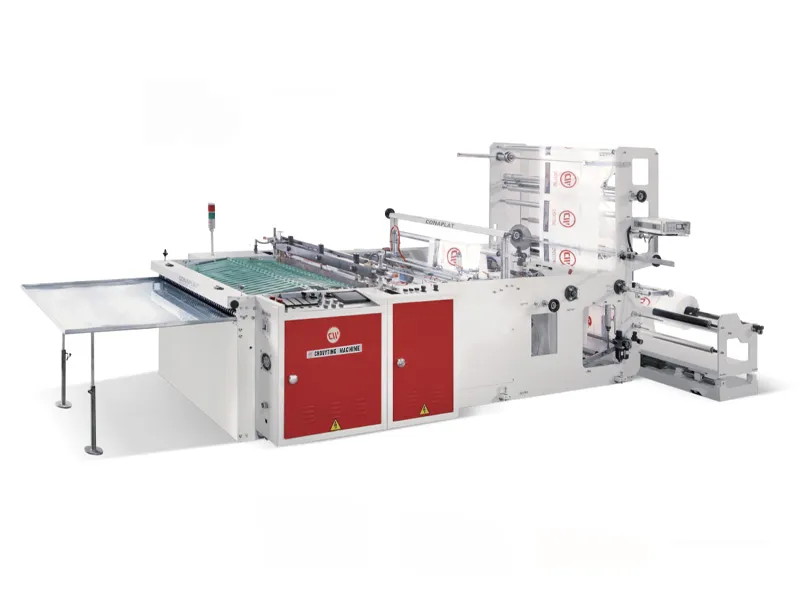
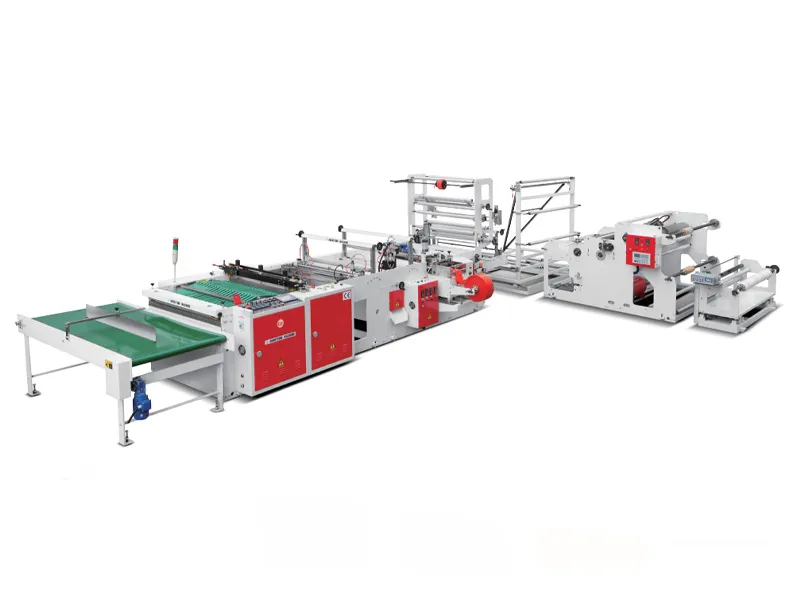
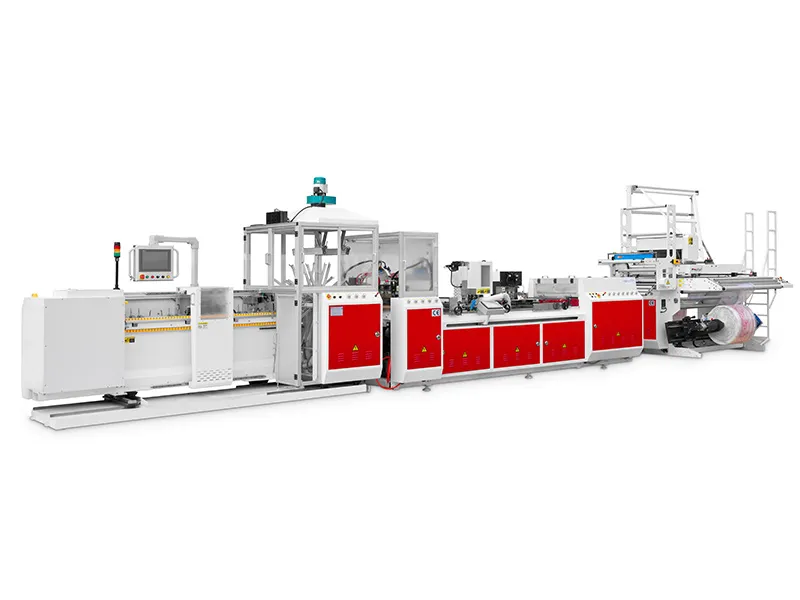
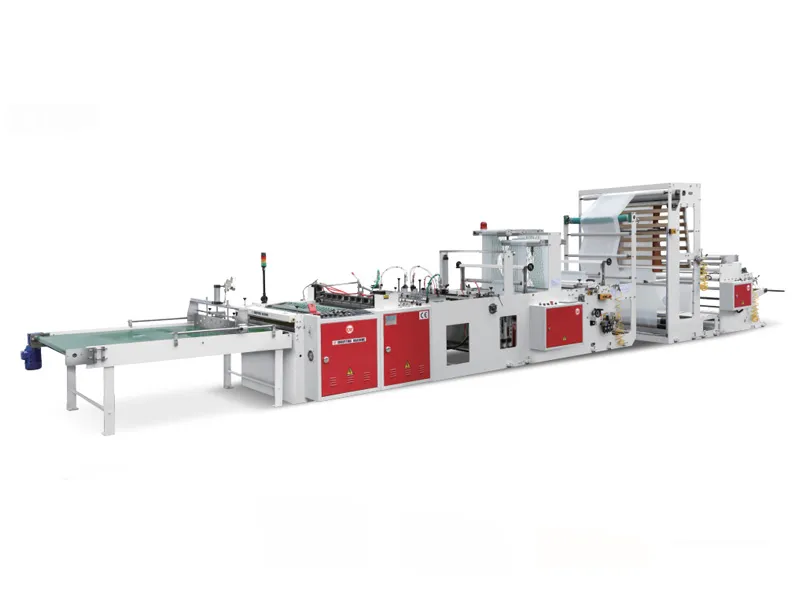
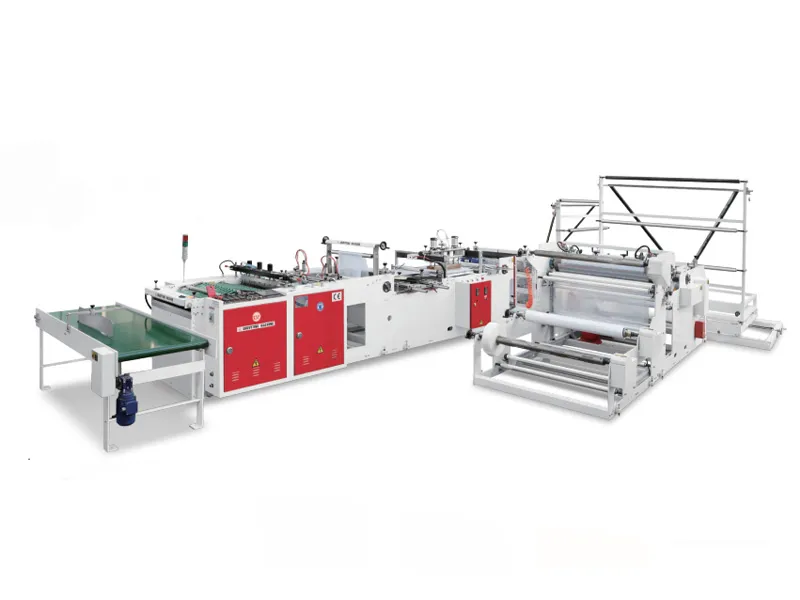
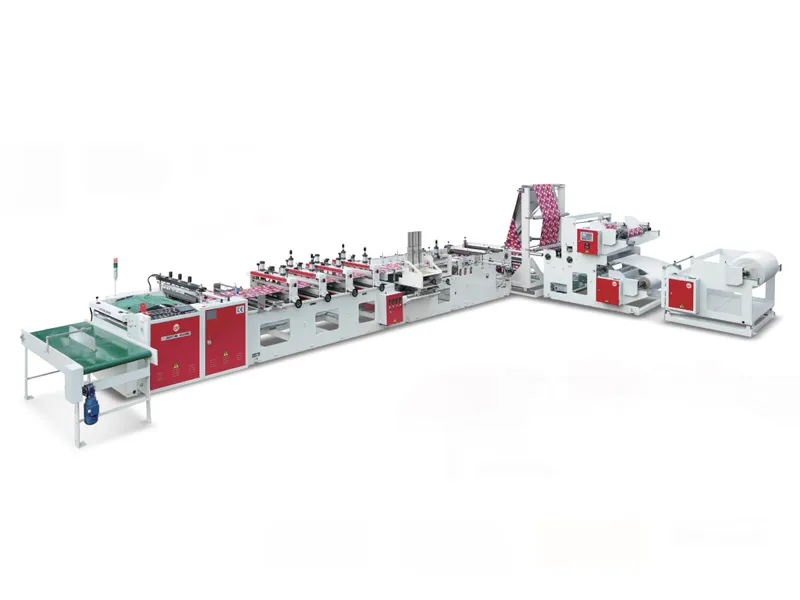
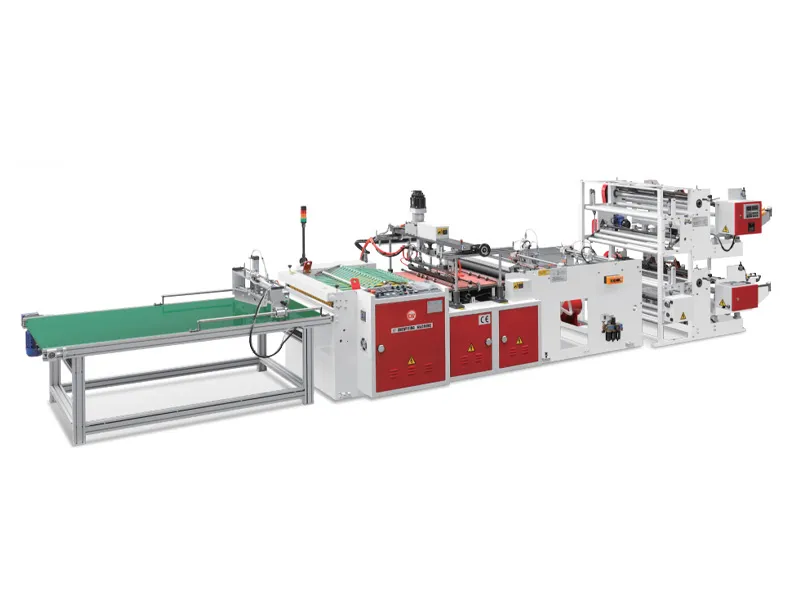
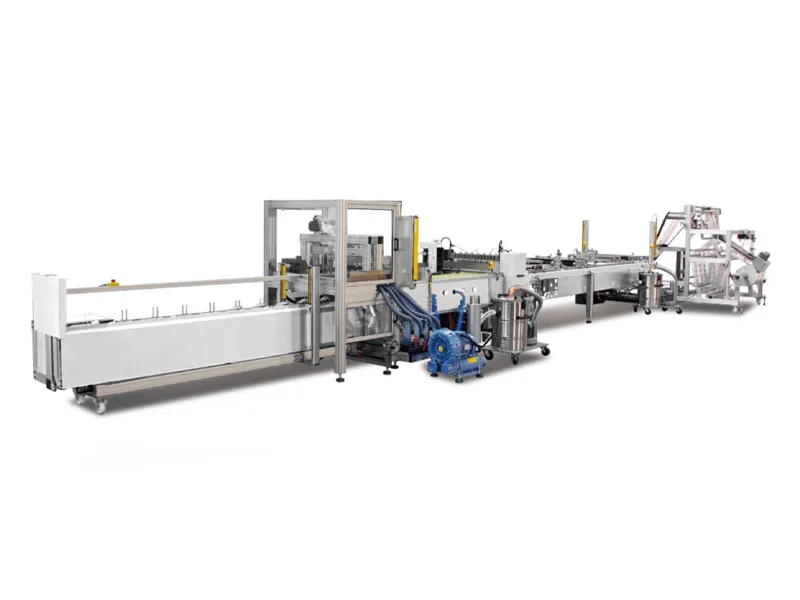
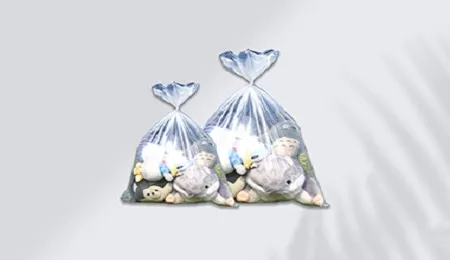
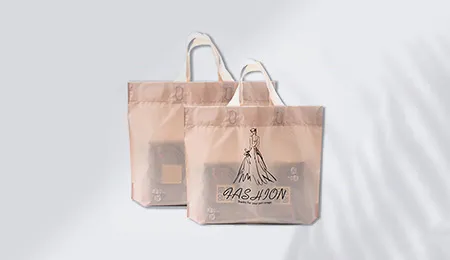
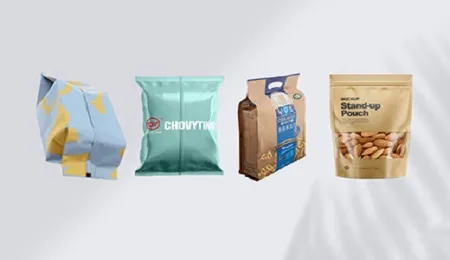
The CHOVYPLAS Side Sealing Bag Making Machine specializes in manufacturing flat side-sealing bags, stand-up pouches, zipper bags, vacuum packaging bags, and gusseted side-sealing bags. It’s ideal for packaging food (snacks, frozen goods), electronics, daily chemicals, and medical supplies, supporting both single-layer and multi-layer film production.