 English
 Pусский
 Español
 May 30,2026
Article Overview: The retail packaging industry is shifting from traditional T-shirt bags to eco-friendly shopping bags. This article explains the market drivers, technical machine adaptations, material considerations, and a decision framework for factory upgrades. It is written for technical buyers and operations leaders seeking a neutral, evidence-based understanding before making procurement decisions.
Understanding the Shift in Shopping Bag Market
The classic T-shirt bag, also known as a vest bag, has dominated retail for decades due to its low cost and functional design. However, its environmental impact has led to bans and taxes in many regions. In response, retailers are moving toward reusable or more recyclable bags. These include die-cut handle bags, patch handle bags, laminated pouches, non-woven polypropylene (NWPP) bags, and even paper bags. The “shopping bag” category now encompasses a variety of formats that require different production processes.
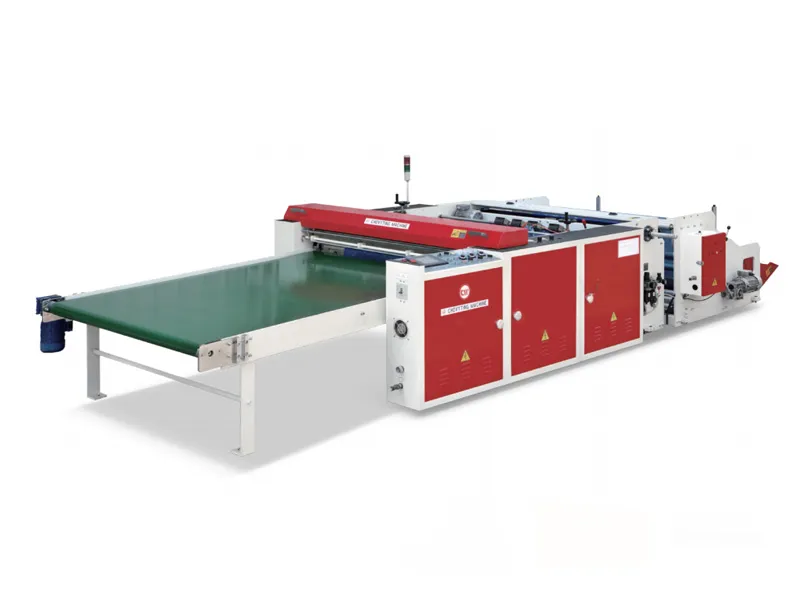
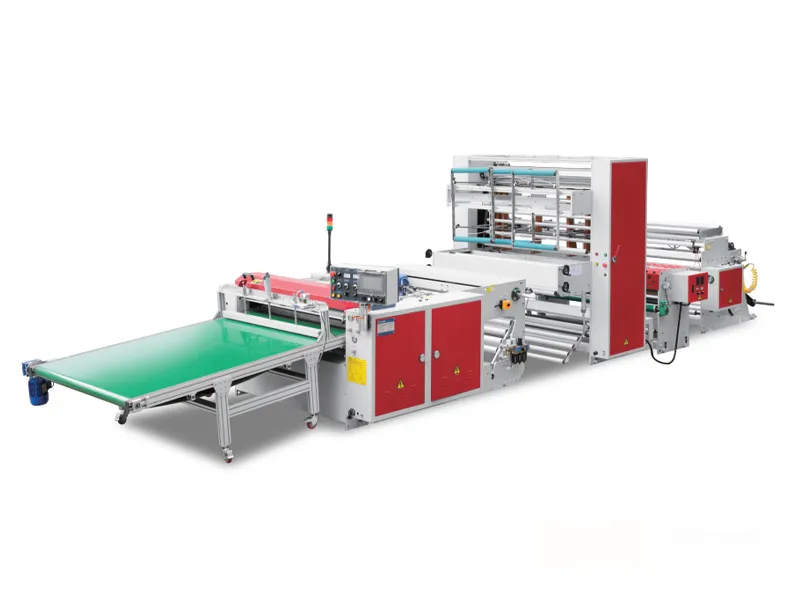
For manufacturers, this means their existing fleets of bag making lines may need to be retooled or supplemented. The new bags often involve additional features: glued or heat-sealed handles, gussets, reinforced bottoms, laminations for print quality, or drawstrings for closure. Each feature imposes new demands on sealing, cutting, and handling subsystems. Plastic bag making machine video resources can help visualize these adaptations.
According to industry data, the global shopping bag market is expected to grow, but the growth will come from eco-friendly segments. Manufacturers who can produce high-quality patch handle bags or laminated bags will capture more value. Early adopters of flexible machine platforms can differentiate themselves.
Key Machine Adaptations for New Bag Types
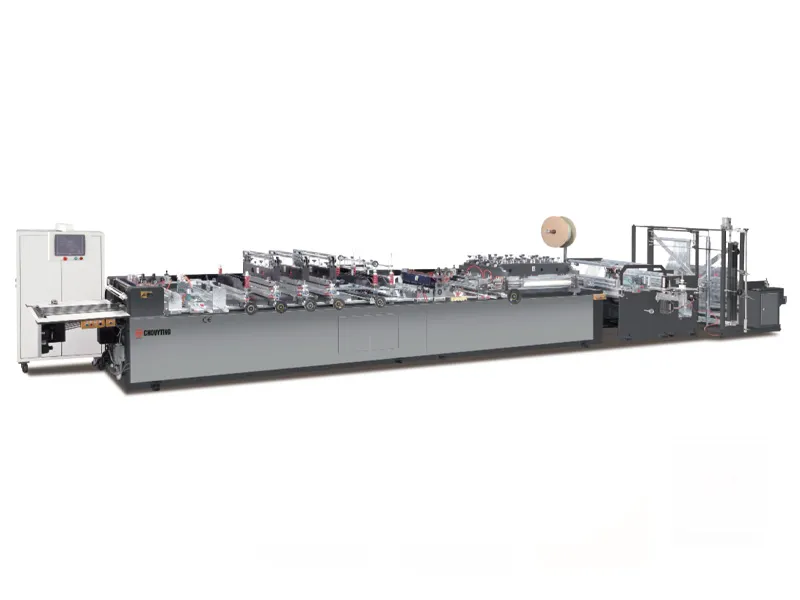
Producing modern shopping bags requires machines that can handle a wider range of film types and convert them with precision. Below are the critical adaptations seen in contemporary bag making equipment.
Sealing Technology Evolution
Traditional T-shirt bags use simple heat sealing for straight seals. Eco-friendly bags often require patch handle attachments, which are glued or heat-sealed onto the bag body. This demands a dedicated patch handle station with precise glue application or ultrasonic welding. Sealing temperature and pressure controls must be programmable to accommodate different film gauges and laminates.
Servo-Driven Motion Control
High-speed production of bags with complex designs (e.g., doypack style or fold-over laminates) relies on servo motors for accurate feeding, registration, and cutting. Servo systems allow quick changeovers between bag sizes and reduce mechanical wear. They are essential for maintaining consistent quality when running biodegradable films, which have different thermal properties.
Multifunction Platforms
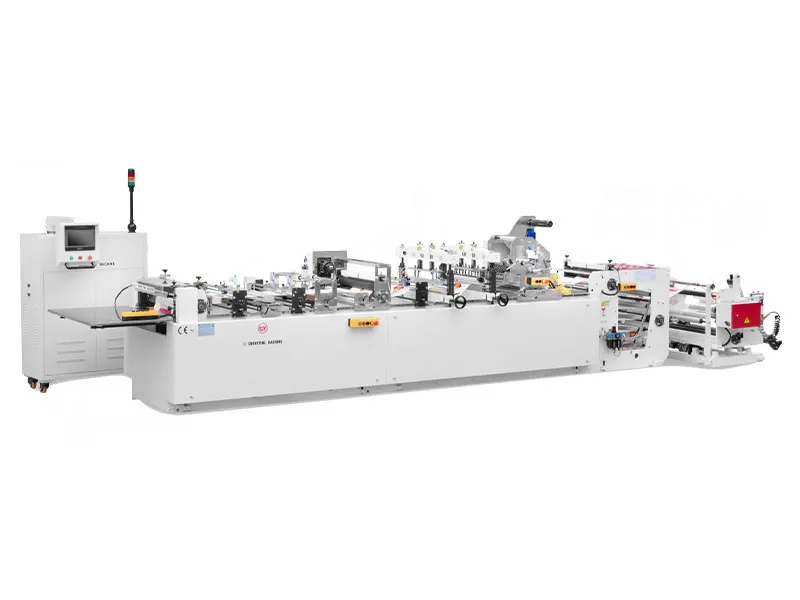
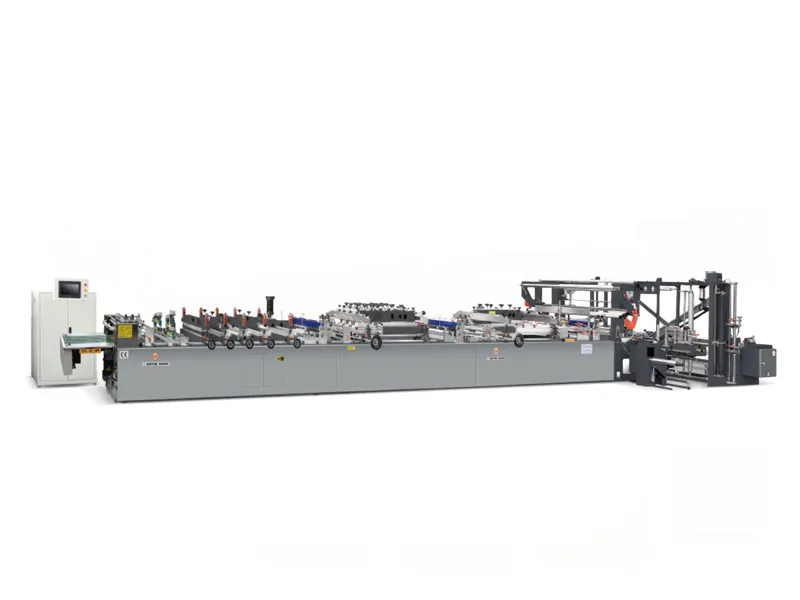
Many manufacturers now invest in multifunction bag making machines that can produce multiple bag styles with minimal changeover. For example, a single line may switch between T-shirt bags, patch handle bags, and laminated pouches by adjusting tooling and settings. This flexibility is valuable for contract converters who serve diverse retail accounts. An example scenario: a factory with a dedicated T-shirt bag line could add a modular patch handle unit downstream, increasing output of premium bags without replacing the entire machine. Alternatively, they might purchase a new bag making machine designed for multi-style production.
Material Considerations: Plastics, Laminates, and Non-Woven
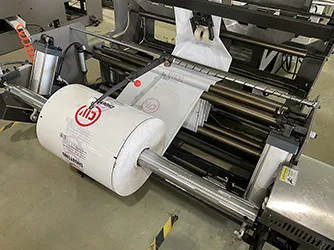
The choice of material is central to the bag’s performance, cost, and environmental credentials. Manufacturers must select equipment compatible with the films they intend to process.
Polyethylene and Biodegradable Films
Standard LDPE and HDPE remain common for low-cost bags. Biodegradable additives and compostable films are gaining traction but require careful handling because their melt temperature range is narrower. Machines with precise temperature control and short sealing dwell times are better suited for these materials.
Laminated Films
High-end shopping bags often use laminated structures (e.g., BOPP/PE or PET/PE) for print quality and barrier properties. Laminated films require more powerful sealing bars and often need cooling systems to prevent wrinkles. Laminated pouch making machine video examples demonstrate equipment designed for this category.
Non-Woven Polypropylene
NWPP bags are not made on film bag machines but on specialized non-woven bag making lines. However, some hybrid machines can process non-woven roll stock. It is important to distinguish between film-based and fabric-based bag production when planning capacity.
Decision Framework for Factory Upgrades
When considering a production upgrade, technical buyers should evaluate the following dimensions:
- Current Bag Mix vs. Target Mix: What percentage of your output is T-shirt bags vs. premium bags? If the target mix shifts more than 20%, investment in new machines may be justified.
- Changeover Flexibility: How often do you need to change bag styles? Machines with quick-change tooling reduce downtime and increase profitability on smaller runs.
- Speed and Yield: New servo-driven machines can run at 80-150 cycles per minute for patch handle bags, compared to traditional lines at 60-100 cpm for simple T-shirt bags. Yield improvements also come from reduced scrap during startups.
- Material Compatibility: Ensure the machine can handle the films you plan to use. Test samples with potential suppliers before committing.
- Supplier Capability: Look for machinery partners with experience in your target bag type. Check their ability to provide after-sales support and training.
It is prudent to start with a pilot line to validate production parameters before scaling. Many suppliers offer trial runs at their facilities or provide video demonstrations of new bag styles.
Frequently Asked Questions
- Can my existing T-shirt bag machine be retrofitted to make patch handle bags?
- In many cases, yes. Retrofitting kits are available for adding a patch handle station. However, the machine's base speed and control system must be capable. A servo drive upgrade may be required.
- What is the typical cost difference between a T-shirt bag line and a multifunction shopping bag line?
- A new multifunction line can cost 2-3 times more than a basic T-shirt bag line, but the higher selling price of premium bags can offset the investment within 12-18 months, depending on volume.
- Are biodegradable films compatible with standard bag making machines?
- Many standard machines can run biodegradable films, but you may need to adjust sealing temperature and dwell time. Some biodegradable films are more brittle and require gentler handling. Consult your machine manufacturer for specific recommendations.
- How important is servo control for producing eco-friendly shopping bags?
- Highly important. Servo drives enable precise registration of printed films, consistent sealing, and rapid size changes. They are a core requirement for producing complex bag styles with minimal waste.
Conclusion
The transition from T-shirt bags to eco-friendly shopping bags is reshaping the packaging manufacturing industry. Producers that adapt early—by upgrading machine capabilities, exploring new materials, and building flexible production lines—will be better positioned to meet retailer and consumer demands. The technical path involves investing in servo-driven multifunction platforms, sealing technology for patch handles, and compatible material handling systems. While the upfront investment is significant, the long-term value lies in capturing higher margins and future-proofing the business. As regulations tighten and sustainability becomes a competitive advantage, the time to evaluate an upgrade is now. Use the evidence and decision framework in this article to start your internal assessment and compare machine options from reputable suppliers.