 English
 Pусский
 Español
 Jul 04,2026
Article Overview: This article provides an evidence-led technical overview of heavy duty bag making machines. It explains core concepts, key specifications, operational workflows, and selection criteria for engineering and procurement teams. The focus is on building foundational understanding before product comparison or purchase decisions. Relevant examples and hypothetical scenarios illustrate typical applications in industrial packaging.
What Is a Heavy Duty Bag Making Machine?
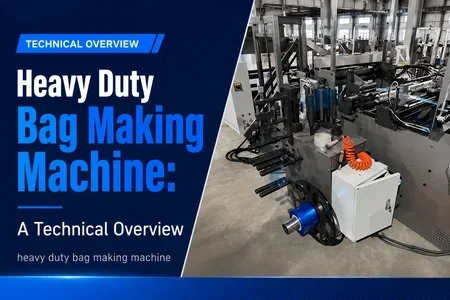
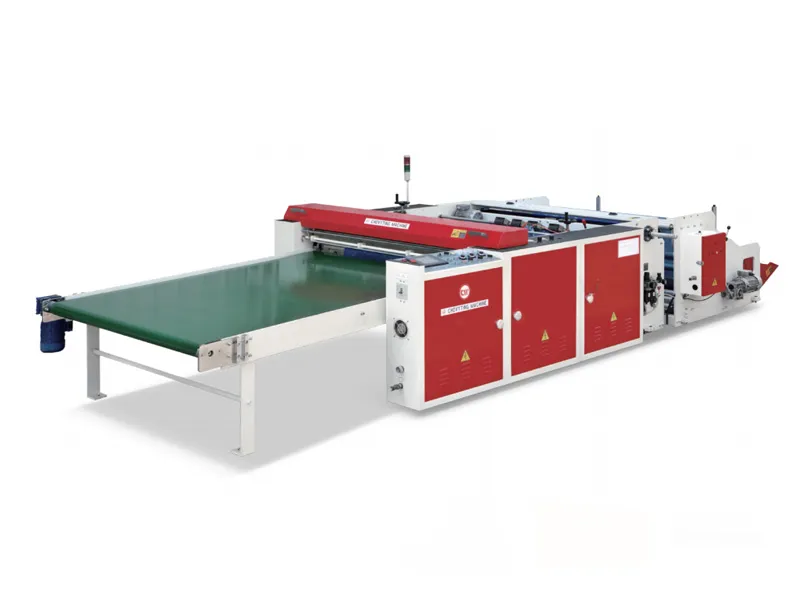
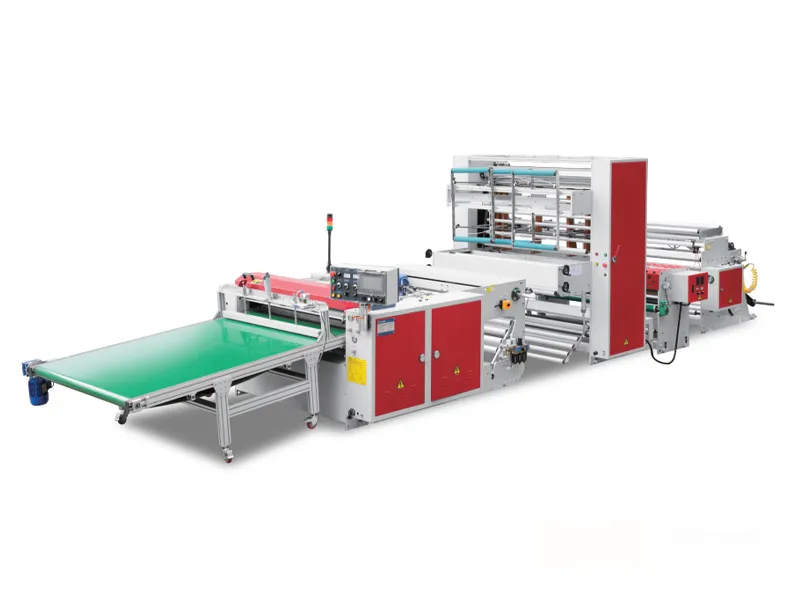
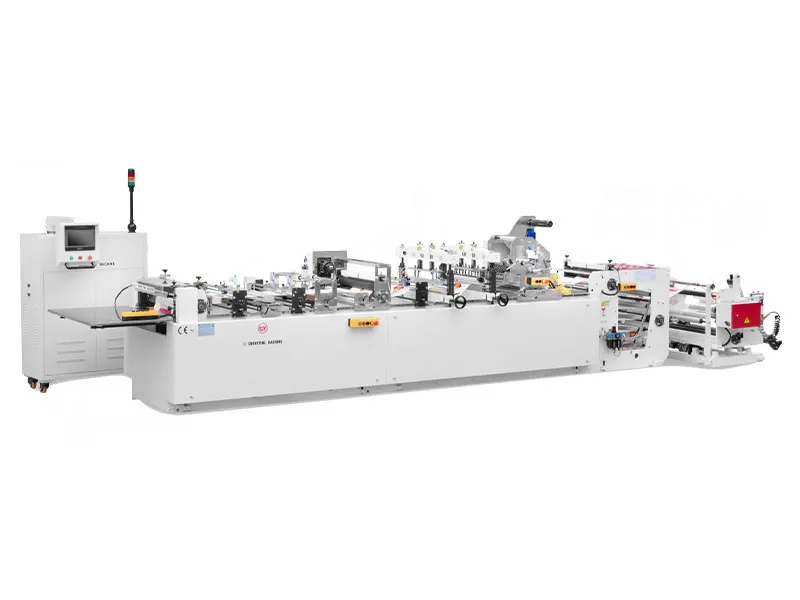
A heavy duty bag making machine is a specialized industrial system designed to produce large-format bags from plastic films, laminates, or woven materials. These machines are engineered to handle higher tensile strengths, thicker gauges, and larger dimensions than standard bag making equipment. Typical output includes FFS (Form-Fill-Seal) bags, valve bags, bottom-sealed bags, and gusseted tubes used in sectors such as agriculture, chemicals, building materials, and food processing.
Key components include unwinding units, sealing stations (heat or ultrasonic), cutting modules, gusseting attachments, and rewinding or stacking sections. Modern iterations employ servo-driven motors and PLC controllers for precise registration, speed consistency, and repeatable quality. A machine's throughput can range from 30 to 150 cycles per minute, depending on bag complexity and material characteristics.
How Does a Heavy Duty Bag Making Machine Work?
The production process follows a sequential flow. Understanding each phase helps operators optimize output and reduce waste.
Phase 1: Film Unwinding and Tension Control
Raw film rolls (often PE, PP, or laminated structures) are mounted on the unwind shaft. Automatic tension controllers maintain consistent web tension to prevent wrinkling or stretching. Some systems include edge guides to align the film for accurate sealing.
Phase 2: Sealing and Cutting
The film passes through sealing jaws that apply heat and pressure to form the bag's bottom or side seals. Servo-driven cutters then separate individual bags. For valve bags, a hot-melt or ultrasonic unit attaches the valve patch. Gusseting mechanisms fold the sides inward to create a square bottom, if required.
After cutting, bags are either stacked in counted batches or rewound into rolls for downstream filling. Integrated sensors monitor seal integrity and reject defective products automatically.
What Specifications Should You Evaluate?
Procurement teams should assess several critical parameters when selecting a heavy duty bag making machine. Below is a checklist of the most influential specifications.
- Maximum Bag Width and Length: Industrial machines can produce bags up to 1500 mm wide and 3000 mm long (as evidenced in product specifications). Ensure the machine accommodates your largest required size.
- Material Thickness Range: Heavy duty machines typically process films from 0.02 mm to 0.20 mm. Verify compatibility with your material—thicker films demand higher sealing power.
- Production Speed: Expressed in bags per minute or meters per minute. High-speed models (e.g., 120+ bags/min) reduce per-unit cost but require stable film quality.
- Sealing Technology: Options include heat sealing, impulse sealing, and ultrasonic welding. Heat sealing is common for PE; ultrasonic suits laminated films with multiple layers.
- Automation Level: PLC with touchscreen control, servo drives for precise motion, and automatic fault detection improve consistency and reduce labor.
Comparison: Valve Bag vs. Open-Mouth Bag Production
Option A: Valve Bag Machine
Produces bags with a pre-formed valve for filling powders (cement, chemicals). Typically includes a hot-melt station for valve attachment. Bag widths up to 600 mm.
Option B: Open-Mouth Bag Machine
Produces bags with an open top for filling granules or pellets. Often features bottom sealing and gusseting. Can achieve larger dimensions (up to 1500 mm width).
Buyer Note: Choose based on your filling method and product type. Valve bags reduce dust during filling; open-mouth bags offer faster filling for free-flowing materials.
How to Select the Right Configuration for Your Line?
Decision factors extend beyond machine hardware. The following steps outline a practical selection approach.
- Define Bag Dimensions and Volume: Determine required width, length, gusset depth, and sealing style (flat bottom, valve, or pillow). This narrows machine type.
- Assess Film Material: Confirm film thickness, density, and lamination structure. Thicker films may require a heavier duty bag making machine with stronger servo motors and sealing bars.
- Calculate Required Output: Multiply annual production by minute capacity. Account for setup and downtime. Choose a machine whose rated speed exceeds your baseline by 20–30%.
- Evaluate Integration: Consider space for unwind, in-line printing, embossing, or gusseting attachments. Modular machines allow future upgrades without replacing the entire system.
Step 5: Verify Supplier Support
Review the manufacturer's service network, spare parts availability, and training programs. A supplier that offers on-site commissioning and remote troubleshooting reduces long-term operational risk. For a visual demonstration of a heavy duty bag making machine in action, view the heavy duty bag making machine video demonstration.
Applications in Industrial Packaging
Heavy duty bag making machines serve diverse industries. The table below lists common end-use sectors and typical bag types.
- Cement and Building Materials: Valve bags (25–50 kg) for cement, mortar, and dry mix. Dimensions up to 600x1000 mm.
- Agriculture: Open-mouth bags for fertilizer, seeds, and animal feed. Often require UV stabilization and gusseted bottoms for pallet stability.
- Chemicals: Multi-layer laminated bags with vapor barriers for hygroscopic powders. Sealing temperature and dwell time are critical.
- Food Processing: Large bags (10–25 kg) for grains, sugar, and powdered ingredients. Machines must meet hygiene standards and use food-grade films.
- Waste Management: Heavy-duty garbage bags (up to 200 liters) made from recycled PE. Bottom-sealing machines with high-speed stacking are common.
For a comprehensive overview of available configurations, explore the heavy duty bag making machine product range to compare models.
FAQ
What is the difference between a standard bag machine and a heavy duty bag making machine?
Heavy duty machines are built with stronger frames, more robust sealing mechanisms, and higher torque drives to handle thicker films (up to 0.20 mm) and larger bag sizes (up to 1500 mm width). Standard machines typically process lighter films for retail or consumer bags.
How much does a heavy duty bag making machine cost?
Pricing varies widely based on automation, width capacity, and optional modules. Entry-level models start around $50,000, while fully automated lines with embossing and gusseting can exceed $200,000. Requesting a quote from multiple suppliers based on your specific requirements is recommended.
Can a heavy duty bag making machine produce different bag styles?
Yes. Many machines are modular. With interchangeable sealing jaws, gusset plates, and cutting dies, the same base machine can produce flat-bottom bags, valve bags, and pillow bags. However, changing between styles requires setup time and may affect output speed.
What maintenance is required for these machines?
Regular tasks include cleaning sealing bars, inspecting servo motor belts, lubricating moving parts, and calibrating tension sensors. Preventive maintenance schedules are provided by the manufacturer; following them extends machine life and reduces unplanned downtime.
How do I choose a reliable heavy duty bag making machine manufacturer?
Look for a supplier with a track record in industrial packaging, certifications (such as CE), and a responsive service network. Visit factory videos or request a live demonstration, like the FFS industry heavy duty bag making machine video, to assess build quality and real-world performance.
Conclusion
Heavy duty bag making machines are central to industrial packaging operations, delivering the capacity and durability required for demanding environments. By understanding the fundamental technology, key specifications, and selection process, technical buyers can make informed decisions that align with production goals and material constraints. A thorough evaluation of bag dimensions, film properties, output targets, and supplier support will lead to a machine that optimizes total cost of ownership and long-term reliability.