 English
 Pусский
 Español
 Jun 26,2026
Article Overview: This article provides a comprehensive introduction to heavy duty bag making machines, explaining their function, key components, applications, and selection criteria. Written for technical buyers and engineering managers, it aims to build foundational knowledge before procurement decisions. We cover how these machines work, what to look for in specifications, and typical industrial uses. By the end, readers will understand the role of heavy duty bag making machines in form-fill-seal (FFS) and other packaging lines, and how to evaluate different configurations.
What Is a Heavy Duty Bag Making Machine?
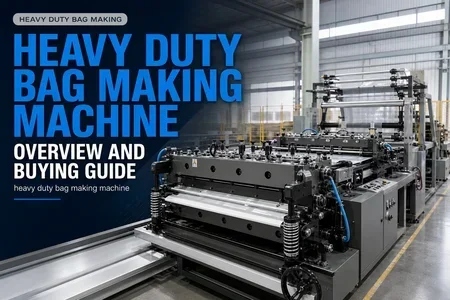
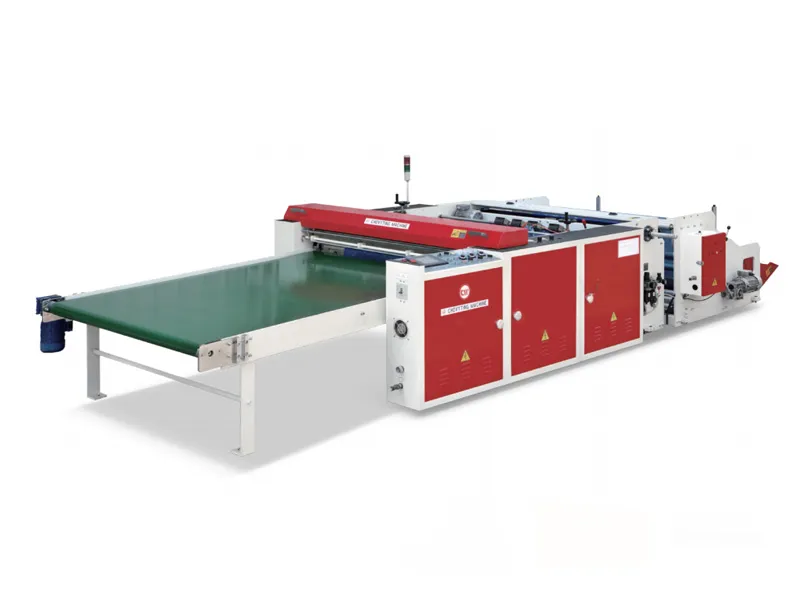
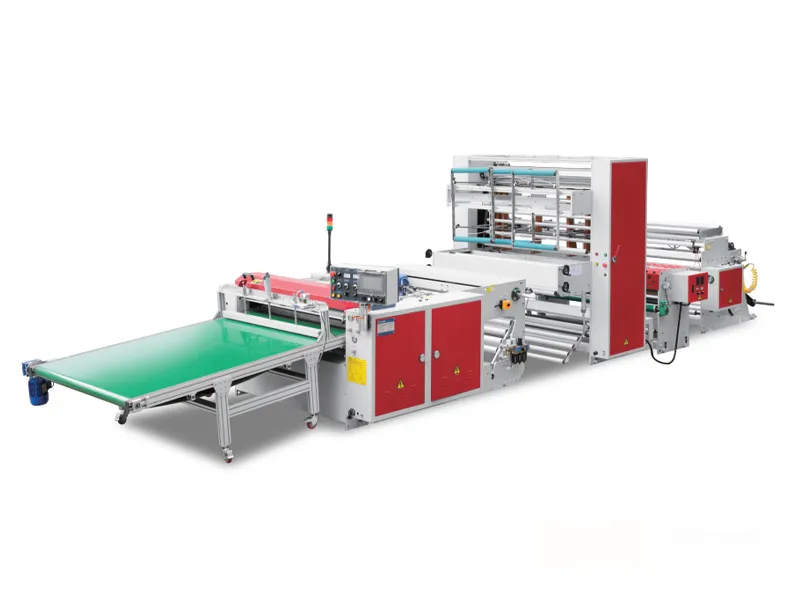
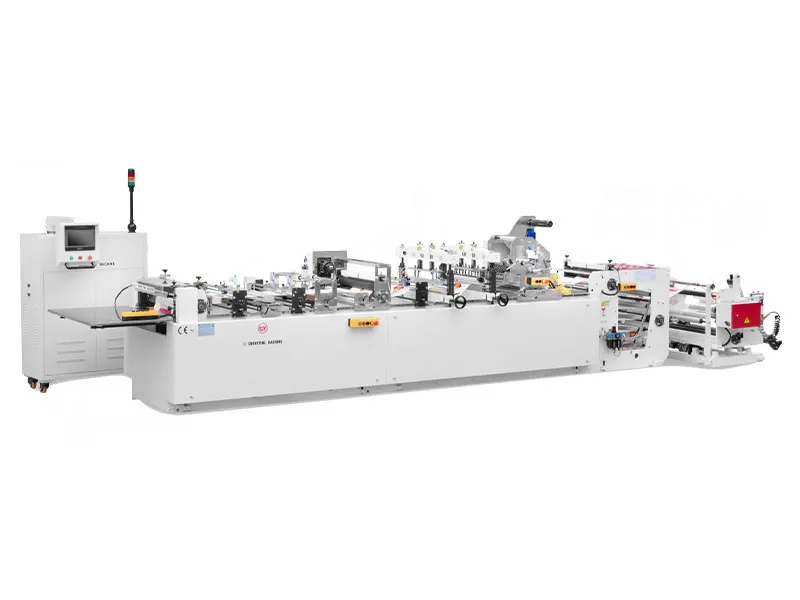
A heavy duty bag making machine is a specialized piece of industrial equipment designed to produce large, strong plastic bags used for packaging bulk materials such as chemicals, fertilizers, construction materials, and food ingredients. Unlike standard bag making machines that produce lightweight bags for retail, heavy duty machines handle thicker films (typically 50–200 microns) and produce bags with reinforced seals, gussets, and valve or open-mouth configurations. These bags are often used in form-fill-seal (FFS) lines, where the bag is formed, filled, and sealed on the same production line. Heavy duty bag making machines can produce various bag types, including bottom seal bags, side seal bags, valve bags, and gusseted bags. They are essential for industries that require rugged packaging capable of withstanding rough handling during transport and storage. The machines typically integrate unwinding, printing, sealing, cutting, and stacking stations, all synchronized by servo motors and PLC controllers for consistent quality and high throughput.
How It Fits in the Packaging Line
In a typical FFS line, the heavy duty bag making machine converts tubular film into finished bags. The process starts with a roll of extruded film, which is unwound and fed through a gusseting station if side gussets are required. The film then passes through sealers (bottom seal, side seal, or central seal) and a cut-off knife. Completed bags are either stacked or transferred directly to a filling machine. Key components include precise servo-driven sealing bars, adjustable cutting lengths, and optional embossing or venting systems for powder products.
How Does a Heavy Duty Bag Making Machine Work?
The working principle of a heavy duty bag making machine involves several stages: film unwinding, web guiding, sealing, cutting, and stacking. Most modern machines use servo motors for precise length control and high-speed operation. Below is a step-by-step breakdown of the process.
- Unwinding: A roll of pre-printed or plain film is mounted on an unwinding stand with automatic tension control. The film is fed into the machine via dancer rollers to maintain consistent tension.
- Web guiding: The film passes through edge guides or sensors to keep it aligned. This is critical for accurate sealing and cut registration.
- Sealing: The film enters the sealing station, where heated press bars create the bottom seal, side seal, or central seal depending on bag design. Some machines incorporate cooling bars to solidify the seal quickly.
- Gusseting (optional): If the bag requires side gussets, a gusset former folds the film edges inward before sealing.
- Cutting: A rotary or guillotine cutter separates individual bags. Servo motors ensure precise cut length, which can be adjusted on the HMI.
- Stacking or output: Finished bags are counted and stacked on a conveyor or collected in a bin. Some machines include a in-line punching unit for handles or vent holes.
For example, a heavy duty bag making machine used in cement packaging may run at speeds of 30–60 bags per minute, producing bales of 50 kg bags. The machine must handle heavy gauge film (80–120 microns) and produce durable seals that can withstand drop testing.
What Are the Key Applications of Heavy Duty Bag Making Machines?
Heavy duty bag making machines serve a wide range of industrial sectors. The following list highlights major applications where these machines are essential:
- Chemicals and fertilizers: Bags for powders, granules, and prills, often requiring valve bags for dust-free filling.
- Construction materials: Cement, sand, gypsum, and dry mix mortars packed in robust open-mouth or valve bags.
- Agricultural products: Feed, seeds, and grains stored in woven or heavy-duty PE bags with high tear resistance.
- Food ingredients: Flour, sugar, starch, and other bulk food products requiring food-grade film and strong seals.
- Industrial waste and recycling: Large bags for collection and transport of scrap material, often with reinforced gussets.
Each application demands specific machine configurations. For instance, valve bags require a hole punch and patch applicator, while open-mouth bags need a bottom seal only. Some machines can be converted between bag styles with modular components. For more detailed video demonstrations of specific heavy duty bag making machine models, you can view the FFS industry heavy duty bag making machine video on the Chovyplas site.
What Specifications Matter When Evaluating Heavy Duty Bag Making Machines?
When comparing machines, procurement teams should focus on these technical parameters:
Key Specifications Checklist
Film width and gauge: Maximum film width (e.g., 1500 mm) and thickness range (e.g., 30–200 microns). Machines must accommodate your film roll dimensions.
Bag dimensions: Adjustable bag length and width. Some machines can produce bag lengths up to 3000 mm.
Production speed: Measured in bags per minute (bpm) or meters per minute. Typical speeds range from 40 to 80 bpm depending on bag complexity.
Seal type: Heat seal, ultrasonic, or combination. Choose based on film material and seal strength requirements.
Automation level: PLC control, HMI touchscreen, servo drives, automatic tension control, and fault diagnostics. Higher automation reduces operator error and setup time.
Optional features: Gusseting, embossing, punching (valve hole, carry handle), perforation, and stacking systems.
For example, a plastic heavy duty bottom sealing bag making machine may offer a width of 1500 mm and length up to 3000 mm, suitable for large industrial bags. Evaluate the machine's compatibility with your existing film supply and downstream filling equipment. Also consider mechanical construction: heavy-duty frames, hardened shafts, and reliable sealing bars are critical for long-term uptime.
Phase 1: Define Production Requirements
Before selecting a machine, calculate your daily bag volume, bag dimensions, and material type. For a cement plant, for instance, you may need 50 kg bags at a rate of 200,000 bags per month. This determines required speed and number of machines.
Phase 2: Compare Automation Levels
Fully automatic machines with servo drives minimize manual intervention. Consider whether your workforce can handle more manual operation or if you need integrated counting, stacking, and packing.
How to Choose a Heavy Duty Bag Making Machine for Your Production Line?
Selecting the right machine involves a systematic approach. Follow these steps to align machine capabilities with your operational needs.
- Analyze bag design: Determine seal type (bottom, side, valve), gusset requirements, and whether printing is needed inline.
- Match film specifications: Ensure the machine's film width and gauge range cover your material. Check treatment conditions (corona, coating) if required.
- Calculate throughput: Based on shift hours and target output, select a machine with enough speed (accounting for downtime and changeovers).
- Assess mechanical robustness: For 24/7 operation, choose a machine with heavy-duty components, water-cooled sealing bars, and durable cutters.
- Consider after-sales support: Check availability of spare parts, remote diagnostics, and service technicians.
For a comprehensive look at a real-world heavy duty bag making machine in action, watch the FFS industry heavy duty bag making machine video demonstrating tube film embossing and gusset rewinding. Also explore the full range of Chovyplas products to understand different machine configurations.
FAQ
What is the difference between a standard bag making machine and a heavy duty bag making machine?
Heavy duty bag making machines are built to handle thicker films (typically >50 microns), larger bag sizes, and higher mechanical loads. They feature reinforced frames, more powerful servos, and sealing bars designed for durability. Standard machines are for lightweight retail bags (e.g., t-shirt bags, grocery bags).
Can a heavy duty bag making machine produce valve bags?
Yes, many heavy duty bag making machines can be equipped with a valve punch and patch applicator to produce valve bags used for powder products. For example, the Automatic Heavy Duty PE Valve Bag Making Machine is designed specifically for this purpose.
What maintenance does a heavy duty bag making machine require?
Routine maintenance includes cleaning sealing bars, lubricating moving parts, checking knife sharpness, and calibrating sensors. Servo motors and PLCs require minimal upkeep. Consult the manufacturer's schedule.
How fast can a heavy duty bag making machine run?
Typical speeds range from 30 to 80 bags per minute, depending on bag size and machine design. High-speed models with advanced servo control can exceed 80 bpm for simple bottom seal bags.
Is it possible to retrofit an existing machine for different bag styles?
Some machines are modular and allow quick changeover between bag styles (e.g., from bottom seal to valve bag) with additional modules. Check with your supplier about upgrade kits.
Conclusion
Heavy duty bag making machines are critical investments for industrial packaging operations. Understanding their working principles, key specifications, and application requirements helps procurement teams select the right equipment. This guide has provided an overview of what these machines do, how they operate, and what to consider when evaluating options. For further technical information and operational videos, refer to the FFS industry heavy duty bag making machine video and other resources available on the manufacturer's site. By taking a systematic approach to specification review and supplier evaluation, you can choose a heavy duty bag making machine that meets your production goals reliably and cost-effectively.