 English
 Pусский
 Español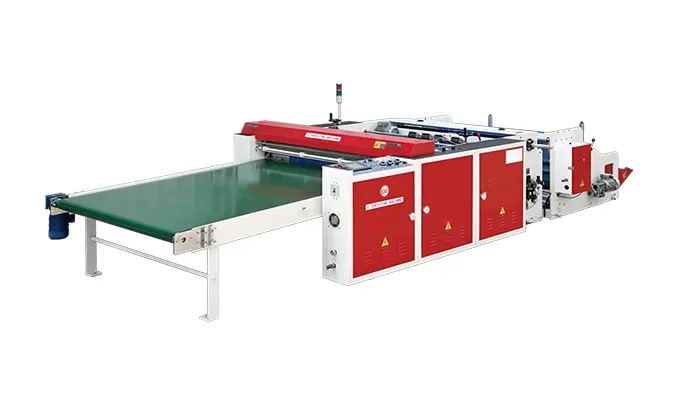
Bottom Sealing Bag Making Machine
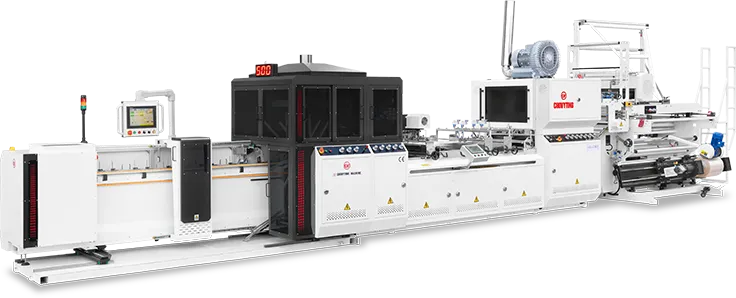
Heat sealing strength increased by 50%+ Intelligent temperature control system, adapting to the high speed production of biodegradable film/aluminum foil and other multi-materials


This series covers various fypes such as shopping bags, continuous roll qarbage baas, courier bags, zipper bagsand tissue bags. The equipment in this seres can meet the dnerse needs of dillerent cuslomers for plastic bagproduction, featuring high production efficiency and stable product quality.
Contact our experts
Heat sealing strength increased by 50%+ Intelligent temperature control system, adapting to the high speed production of biodegradable film/aluminum foil and other multi-materials
-Making-Machine.webp)
Patented one-piece molding handle, 30kg load bearing without breaking, AI vision positioning accuracy ±0.1mm, switching styles in 90 seconds.
 Making Machine.webp)
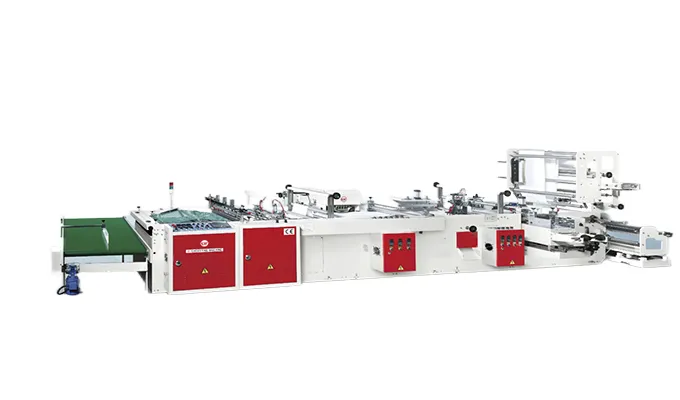
Dual servo synchronized cutting knife technology, speed 300 cuts/ minute with 0 error, side material self-recovery system saves 10% of material.
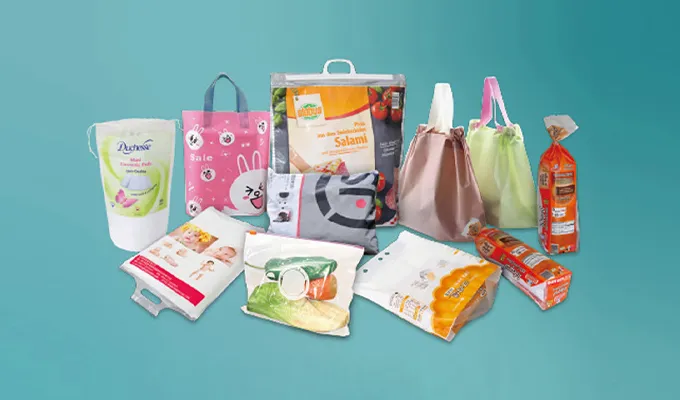
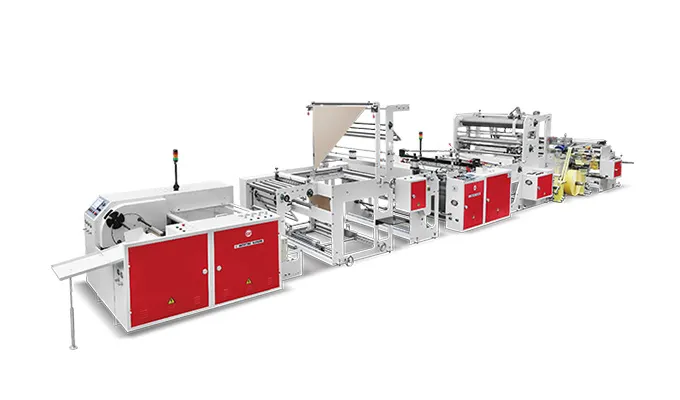
Single day production capacity of 50 tons +, thickness adaptive system (12-100μm) compatible with recycled materials, energy consumption reduced by 35%.
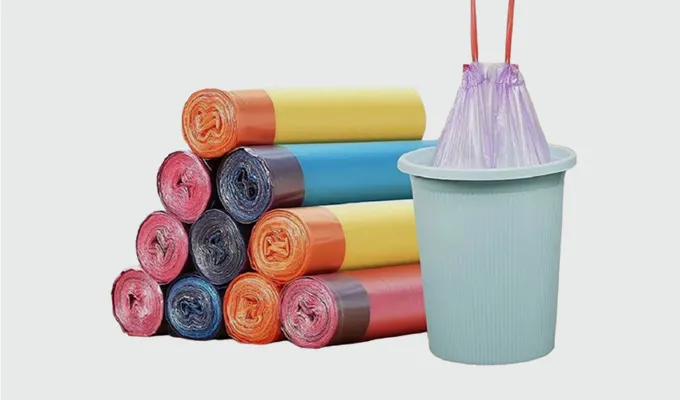
CHOVYPLAS plastic bag making machines convert HDPE, LDPE, and laminated films into finished bags for retail, food service, waste management, and e-commerce packaging. Explore common bag types and the machine lines best suited to each application.
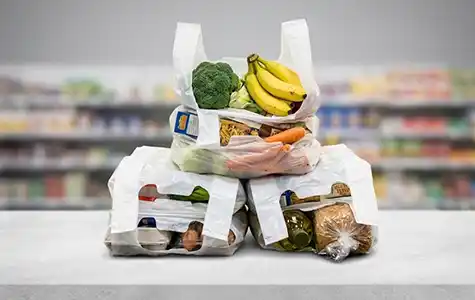
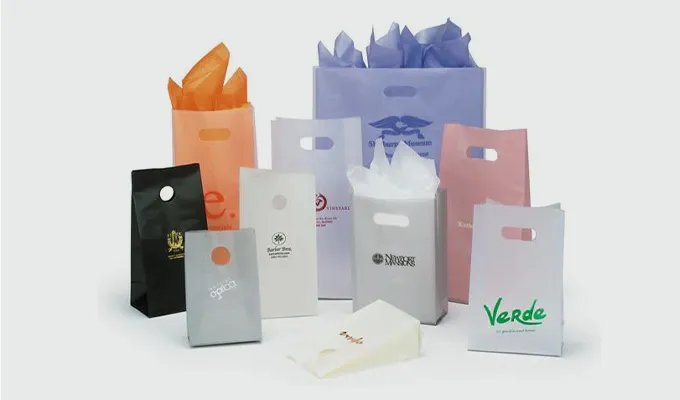
High-volume vest bags with die-cut handles for supermarkets, convenience stores, and retail chains. Servo-driven models support fast handle punching and stable output.
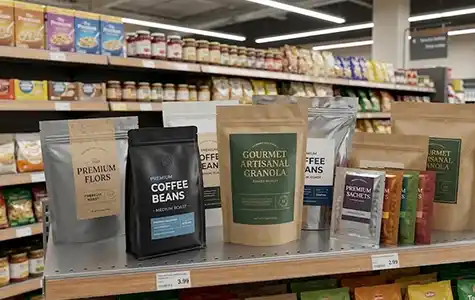
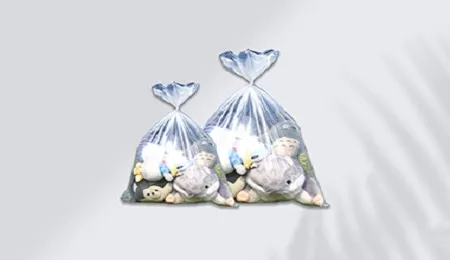
Bottom seal machines produce flat bags for food packaging, industrial liners, and general-purpose PE bags with reliable sealing strength.
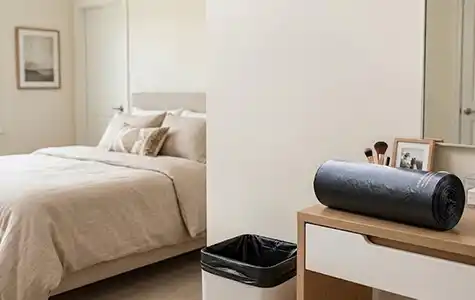
Continuous roll garbage bag lines with perforation, core insertion, and automatic winding for household and commercial waste management.
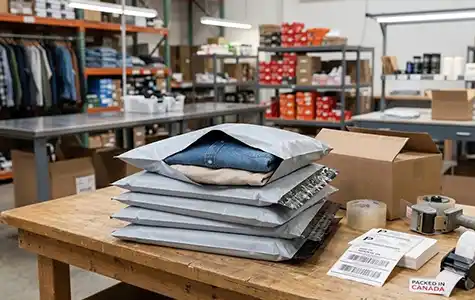
Side seal machines with adhesive strip options for e-commerce shipping, logistics pouches, and document packaging.
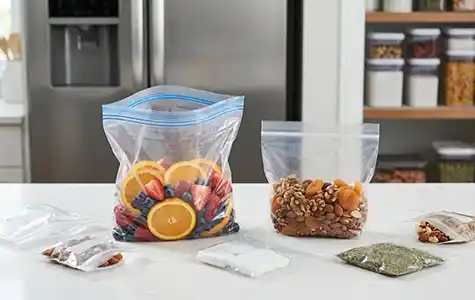
Zipper-integrated side seal lines for food storage, medical supplies, and consumer product packaging requiring repeated opening.
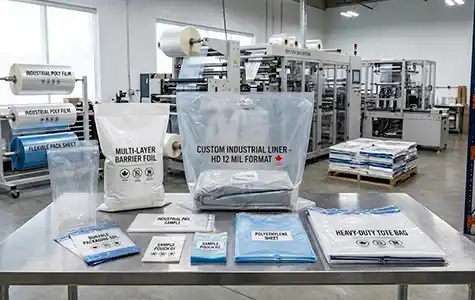
OEM configurations for multi-layer bags, special sealing treatments, and width-adjustable production across diverse end markets.
CHOVYPLAS machines process a wide range of flexible films and laminated structures. Material compatibility directly affects sealing quality, production speed, and bag durability — define your substrate before selecting equipment.
Polyethylene films are the most common substrate for plastic bag production, offering excellent sealability and cost efficiency.
Polypropylene and oriented PP films provide clarity and stiffness for retail packaging and food contact applications.
Multi-layer laminated structures combine barrier properties with printability for premium flexible packaging.
Eco-friendly films including PLA and biodegradable PE support sustainable bag and pouch production requirements.
Different bag structures require different machine configurations. Compare the four main plastic bag formats below to match your production goals, material type, and target market.
There is no single solution for every product — the right machine depends on bag structure, film material, sealing requirements, and output target.
Best for: Flat packaging, garment bags, courier pouches, and printed flexible packaging.
Key advantage: Simple structure with stable sealing and efficient material usage for standard formats.
Best for: General plastic packaging, retail bags, food liners, and industrial flat bags.
Key advantage: Reliable bottom sealing with broad width adjustment for diverse bag sizes.
Best for: Supermarket shopping bags, retail carry bags, and convenience store packaging.
Key advantage: High-volume production with die-cut handles for retail packaging markets.
Best for: Household trash bags, bin liners, drawstring bags, and commercial waste management.
Key advantage: Continuous roll output with perforation, core winding, and high daily tonnage capacity.
| Comparison Factor | Side Seal | Bottom Seal | T-Shirt Bag | Roll Garbage Bag |
|---|---|---|---|---|
| Typical End Use | Courier & flat packaging | Food & general PE bags | Supermarket shopping bags | Trash bags & bin liners |
| Main Value | Efficient flat bag format | Strong bottom sealing | Convenient carry handles | High-volume roll output |
| Typical Materials | PE, PP, OPP, laminated films | PE, HDPE, LDPE | HDPE, LDPE, recycled films | HDPE, LLDPE, recycled PE |
| CHOVYPLAS Speed Range | Up to 500 pcs/min (800BFSMETA) | 40–320 pcs/min | High-speed vest bag lines | 50+ tons/day capacity |

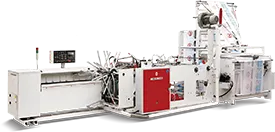
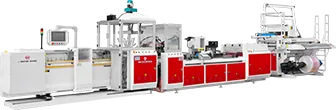
Selecting packaging machinery is not only about price. Evaluate material type, bag structure, output target, automation level, and long-term support before investing.
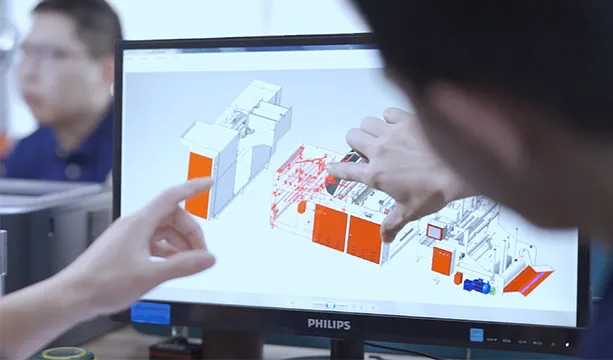
Bag making machines that can adapt to changing business needs are not just "nice to have", they are often a must.
Some customers need bagging machines that can be adjusted to accommodate the production of bags of different sizes and shapes. Others need systems that can perform a variety of functions, such as multi-layer bag production, special sealing treatments, and efficient bagging.
Define the main films you plan to process — HDPE, LDPE, laminated structures, or biodegradable films. Material properties determine sealing temperature, tension control, and machine configuration. Explore plastic bag machines or laminated pouch lines based on your substrate.
Match the machine to your target bag format: side seal, bottom seal, T-shirt, roll garbage, stand-up pouch, or FFS heavy duty. Sealing structure directly affects machine selection and long-term production efficiency.
CHOVYPLAS machines range from 40 to 500+ pcs/min depending on model. Balance required daily output, shift schedule, and budget — stable practical speed matters more than theoretical maximum.
Consider servo drive, automatic tension control, double-lane output, wicketer stacking, and core insertion. Higher automation reduces labor cost and improves bag consistency at scale.
Account for floor space, machine footprint, power supply (230V/50Hz or 120V/60Hz), and maintenance access. CHOVYPLAS customizes electrical systems for your regional requirements.
Reliable installation, operator training, spare parts, and 24/7 remote troubleshooting are essential for long-term performance. View CHOVYPLAS after-sales service or request a quote.
CHOVYPLAS bag making machines integrate core components from internationally recognized suppliers — including bearings, electrical controls, pneumatic systems, servos, and sensors — to ensure stable running performance, easier maintenance, and long-term production reliability.
Standardized brand-name parts also simplify spare parts sourcing and after-sales support for customers worldwide.
Logos represent third-party component brands integrated into CHOVYPLAS equipment. Trademarks belong to their respective owners.
CHOVYPLAS | CHOVYTING supports packaging manufacturers worldwide with reliable bag making machines, laminated pouch equipment, and auxiliary production lines. Our equipment is exported to global markets with engineering-driven project support from consultation to after-sales service.

Manufacturer location: Wenzhou, Zhejiang, China. Remote acceptance and export delivery support available.
From consultation and configuration planning to factory acceptance testing (FAT), export packing, installation guidance, and operator training, we help customers reduce project risks and reach stable production faster.
CHOVYPLAS high-speed bag making machines are engineered to process virgin and recycled polyethylene films, including HDPE, LDPE, and LLDPE. These materials are widely used for T-shirt bags, flat bags, courier pouches, and garbage bags on roll. Machines can also handle CaCO3-filled and recycled granule blends when sealing temperature, tension, and cooling are properly calibrated. For buyers switching between virgin and recycled content, CHOVYPLAS provides material trials and parameter recommendations to maintain stable output and seal strength. Contact our engineers before production to confirm compatibility with your exact film formulation.
Biodegradable films such as PLA, PBAT, and starch-based blends require lower sealing temperatures, reduced clamping pressure, and slower cycle speeds compared with conventional PE. When converting a rolling garbage bag making machine for compostable materials, adjust heat-seal bars, cooling time, and unwind tension to prevent film shrinkage or weak seals. CHOVYPLAS machines support eco-friendly production with optional servo temperature zones and material-specific recipes. We recommend on-site or remote commissioning when switching from standard HDPE/LDPE to biodegradable substrates for the first time.
Sealing and cutting failures on roll bag lines are usually caused by incorrect temperature, worn sealing bars, misaligned knives, or inconsistent film tension. Start by verifying seal bar temperature against film type, then inspect Teflon-coated bars and cutting blades for wear. Check perforation depth, encoder signals, and whether the film slips during winding. For intermittent weak seals, review cooling airflow and production speed. CHOVYPLAS provides 24/7 remote troubleshooting and spare parts support to minimize downtime on rolling garbage bag and bag-on-roll production lines.
An automatic rewinding unit with auto-changeover allows continuous production of perforated roll bags without manual roll changes. When one core is full, the system transfers the web to a new core, applies tape if required, and resumes winding automatically. This reduces labor, minimizes film waste, and increases daily output for high-volume trash bag and bag-on-roll manufacturers. CHOVYPLAS rolling bag lines integrate core insertion, perforation, and auto-changeover options for customers targeting 24/7 production. Explore our rolling garbage bag machines for configuration details.
CHOVYPLAS exports bag making machines with electrical systems customized for the destination market. Standard configurations include 380V 50Hz 3-phase for Asia and the Middle East, 415V 50Hz for parts of Asia-Pacific, and 220V/230V 60Hz or 480V options for the Americas. Motors, heaters, and control panels are adapted before shipment to match local voltage and frequency, ensuring compliance with regional safety requirements. Our team confirms power supply details during order review and provides wiring diagrams for installation. Request a voltage specification sheet for your country.
CHOVYPLAS plastic bag making machines cover the most searched retail and industrial bag formats. T-shirt (vest) bags are produced on dedicated vest bag lines with die-cut handles. Bottom seal bags suit flat food packaging and general PE bags. Side seal bags handle courier pouches, garment bags, and zipper-integrated formats. One production plant may run multiple machine types for different bag structures. Explore our T-shirt, bottom seal, and side seal machine lines to match your target bag type.
An FFS (Form-Fill-Seal) heavy-duty bag making machine forms tubular film into industrial sacks, then seals and cuts them for bulk packaging. These machines produce valve bags and open-mouth sacks for cement, mortar, chemicals, minerals, fertilizers, and food-grade powders. FFS lines feature moisture-proof, leak-proof, and anti-static options for demanding export and storage conditions. CHOVYPLAS FFS heavy duty bag making machines serve building materials, chemical, and agricultural packaging manufacturers requiring high-strength, high-volume sack production.
Regular FFS machine maintenance includes daily cleaning of sealing jaws and film guides, weekly lubrication of bearings and chains, and monthly inspection of heating elements, sensors, and pneumatic cylinders. Check sealing bar alignment, knife sharpness, and tension roller wear every production shift. Replace Teflon tape and worn gaskets before seal quality drops. CHOVYPLAS provides a detailed maintenance checklist and spare parts list with every FFS installation, plus training during commissioning. Scheduled preventive maintenance reduces unplanned downtime and extends machine service life.
Hot cutting (flying knife) uses heated blades to seal and cut in one motion, ideal for high-speed T-shirt bags and thin PE films where clean edges and fast cycles matter. Cold cutting separates bags with mechanical knives without heat, better for thicker films, laminated materials, or applications requiring precise cut dimensions without melt edges. Flying-knife systems suit maximum output; cold-cutting suits specialty films and wider bag formats. CHOVYPLAS engineers recommend the optimal cutting method based on your film thickness, bag type, and speed target during pre-sales consultation.
CHOVYPLAS offers extensive customization for specialized bag production. Options include servo motor drive for precise length control and faster changeovers, photocell registration for printed film alignment, double-lane output, automatic tension control, wicketer stacking, core insertion, and adhesive strip application for courier bags. Bag width, sealing type, and production speed can be tailored to your product range. OEM branding, color schemes, and electrical configurations are also available. Contact CHOVYPLAS with your bag specifications for a customized machine proposal.
 Saudi Arabia
.webp)