 English
 Pусский
 Español
 Jun 30,2026
Article Overview: Selecting the right automatic bagging machine manufacturer is a critical procurement decision for high-volume packaging operations. This guide provides a structured framework for evaluating OEM partners, focusing on FFS (Form-Fill-Seal) technology, heavy-duty bag making, and key engineering criteria. It includes RFQ templates, validation checkpoints, and post-sale considerations to help procurement teams reduce risk and ensure a successful investment.
Why Should You Verify FFS Tube Film Capability Before Shortlisting Suppliers?
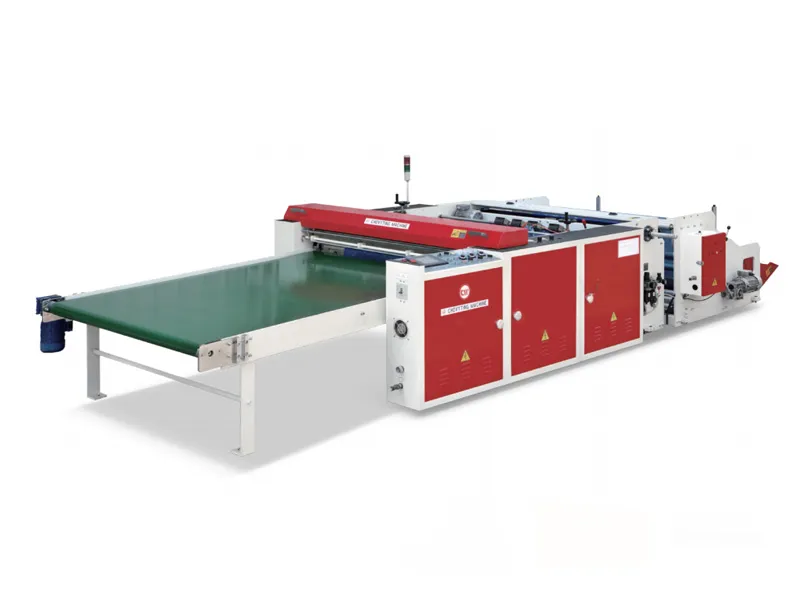
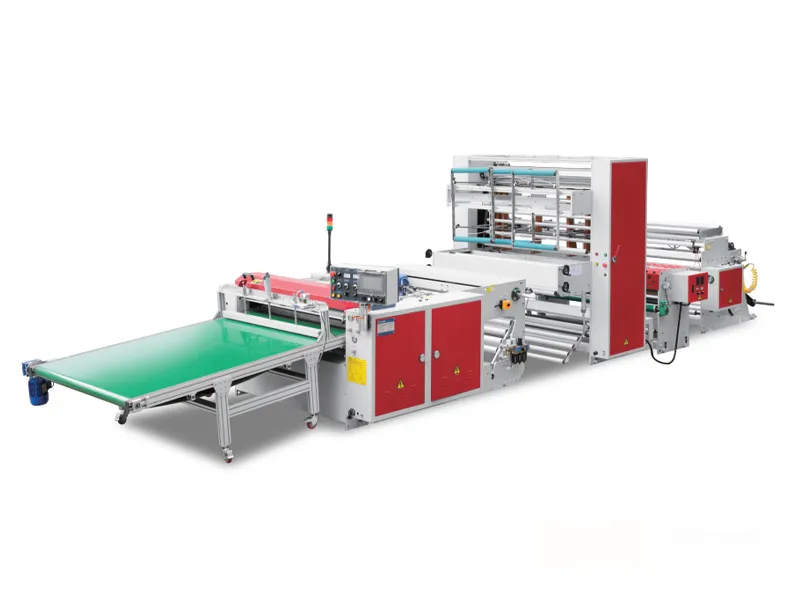
For buyers of automatic bagging machine manufacturers intended for high-speed packaging of bulk materials, the ability to produce high-quality FFS tube film is a fundamental differentiator. FFS technology relies on a continuous tubular film that is formed, filled, and sealed in one process. If the manufacturer lacks in-house capability or proven experience with FFS tube film production—including embossing, gusseting, and rewind control—the overall system reliability may be compromised.
When evaluating automatic bagging machine manufacturers, request evidence of their FFS tube film equipment specifications. A manufacturer that offers dedicated machines with servo-driven embossing, gusseting, and rewind control demonstrates a deep understanding of film handling. Verify that the machines can process the specific film thickness and width required for your product. For example, if you package cement or chemicals, the film must withstand punctures and maintain seal integrity.
What Are the Key Engineering Criteria for Heavy-Duty Bag Making Machines?
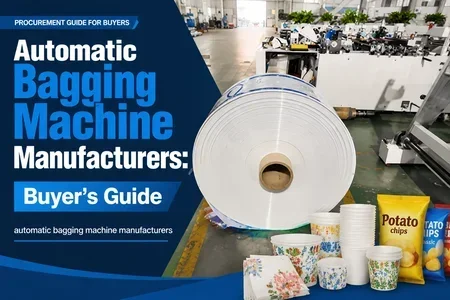
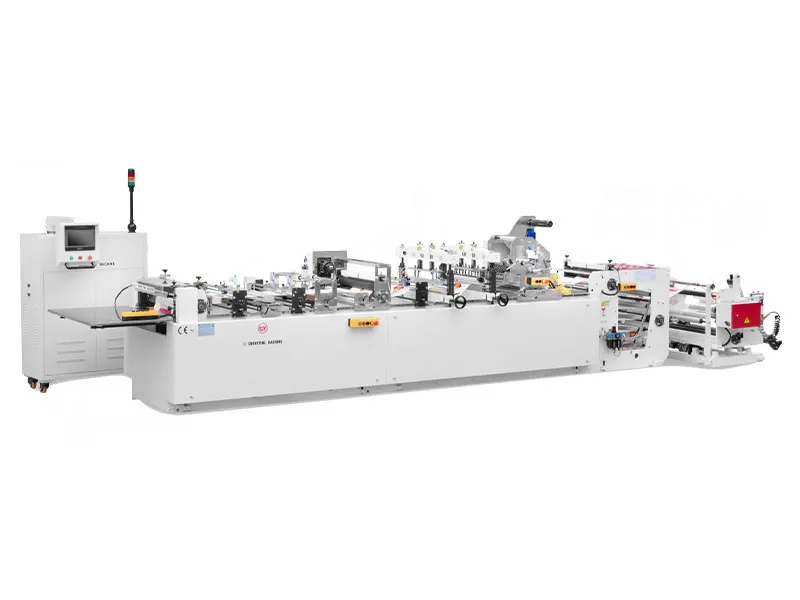
Not all automatic bagging machines are suited for heavy-duty applications. When assessing manufacturers, focus on the following engineering aspects:
- Servo Drive Systems: Ensure all critical axes are servo-driven for precise tension control and repeatable sealing. This minimizes waste and downtime.
- Sealing Technology: For heavy-duty bags, both bottom seal and valve seal options must be available. Check if the manufacturer offers automatic seam monitoring.
- Modular Design: A modular construction allows future upgrades (e.g., adding embossing, gusset, or tape units). This protects your capital investment.
- Material Handling: The machine should accommodate HDPE, LDPE, or LLDPE films with minimal adjustment. Ask about the maximum film roll diameter and core sizes.
For procurement teams, it is advisable to request a detailed technical datasheet for each model under consideration. Compare cycle speeds, power consumption, and changeover times. A reputable manufacturer will provide transparent documentation.
How to Structure Your RFQ for Automatic Bagging Equipment
An RFQ (Request for Quotation) that lacks specificity often leads to ambiguous offers and hidden costs. Below is a structured workflow to help you gather comparable quotes from automatic bagging machine manufacturers for heavy-duty bag making.
Step 1: Define Production Parameters
Specify your target bag dimensions (width, length, gusset), bag type (valve, open mouth, or FFS), and film material. Also state the required output per hour and operating shift.
Step 2: Request Detailed Pricing and Terms
Ask for a line-item breakdown: machine base price, installation, commissioning, training, and spare parts. Clarify payment milestones and delivery lead time.
Step 3: Validate Technical Compliance
Request compliance with industry standards (e.g., CE, UL) and a list of safety features. Ask for a sample testing plan with your own materials to verify film compatibility and seal strength.
After receiving responses, create a comparison matrix that covers the criteria above. Invite the top two or three vendors for a technical presentation or factory visit. A manufacturer that can demonstrate live operation of similar lines is preferable.
Evaluating Post-Sale Support and Spare Parts Availability
The purchase decision should not end with the machine specification. Delays in spare parts or inadequate technical support can halt your production. When assessing automatic bagging machine manufacturers, inquire about:
- Local Service Network: Does the manufacturer have regional service engineers or a local distributor? Ask for references from similar projects.
- Spare Parts Inventory: Which critical spares are stocked, and what is the typical lead time? For high-wear items like sealing bars and servo motors, request a recommended spare parts list.
- Remote Diagnostics: Many modern machines offer IoT connectivity for remote troubleshooting. Verify that the manufacturer provides this capability and training for your team.
Example scenario: A buyer in the fertilizer industry discovered that their chosen manufacturer had no local spare parts warehouse, resulting in 10-day lead times for a simple seal bar. This underscores the importance of confirming logistical support before finalizing a contract.
FAQ
What is the difference between an automatic bagging machine and a bag making machine?
An automatic bagging machine typically refers to a system that forms, fills, and seals bags in one operation (FFS), while a bag making machine produces empty bags from film roll. Many manufacturers offer integrated lines, but procurement teams should clarify the scope of equipment being quoted.
How can I verify the quality of an automatic bagging machine manufacturer?
Request customer references, visit a factory if possible, and ask for video demonstrations of the machine running at production speeds. Check for ISO certifications and any industry-specific approvals (e.g., for food-grade or hazardous materials).
What are the most common mistakes when buying automatic bagging machines?
Common pitfalls include underestimating installation space, ignoring film supply compatibility, and not budgeting for training. Always include a site preparation checklist in your RFQ.
How long does it take to commission a heavy-duty automatic bagging line?
Typical commissioning ranges from 2 to 6 weeks depending on the complexity of the line and the manufacturer’s support. Confirm milestones and acceptance criteria in the contract.
Conclusion
Choosing among automatic bagging machine manufacturers requires a methodical approach that goes beyond comparing brochures. By focusing on FFS tube film capability, engineering robustness, structured RFQ processes, and post-sale support, procurement teams can mitigate risks and select a partner that delivers long-term value. For a deeper dive into heavy-duty bag making technology, explore how modular designs from automatic bagging machine manufacturers can adapt to your specific line requirements. Start your evaluation today with a clear checklist and a request for proposal that covers all the points discussed.