 English
 Pусский
 Español
 Jul 19,2026
Article Overview: This guide explains what a heavy duty bag making machine is, its core specifications, industrial applications, and the key decision factors for procurement teams. It covers FFS (Form-Fill-Seal) integration, performance metrics, and a structured selection framework. The goal is to build foundational knowledge before comparing suppliers or models. For a detailed demonstration, see the heavy duty bag making machine video showing real production capabilities.
What Is a Heavy Duty Bag Making Machine?
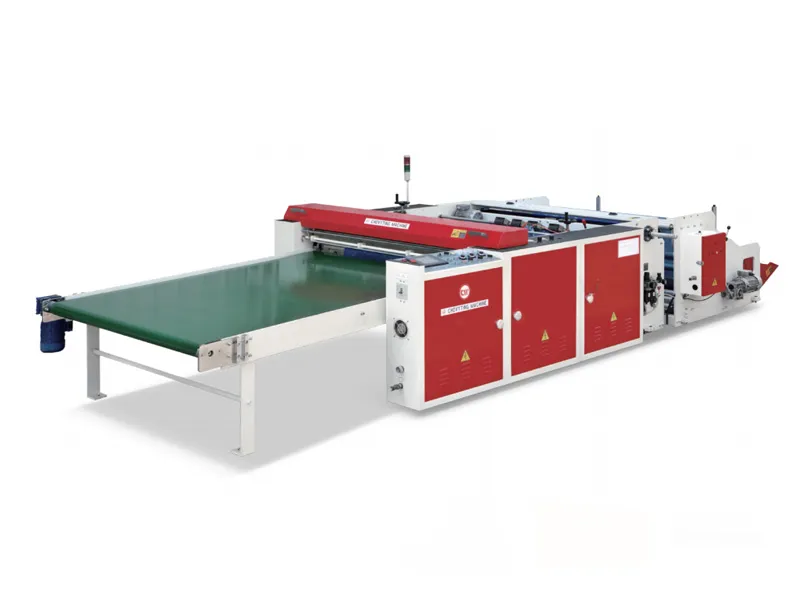
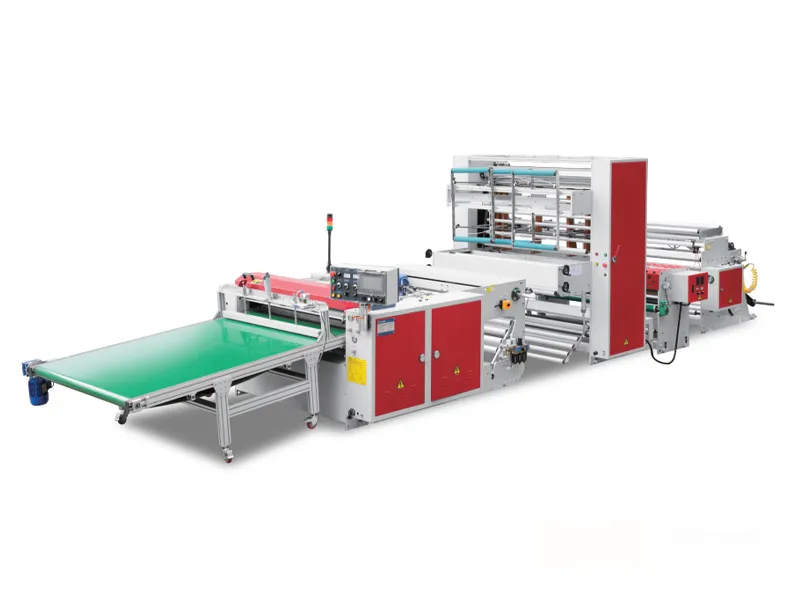
A heavy duty bag making machine is a specialized industrial system designed to produce large, robust bags from roll-fed film—typically polyethylene (PE) or polypropylene (PP)—at high speeds. These bags are used for packaging bulk goods such as cement, fertilizers, chemicals, animal feed, resins, and granular products. Unlike standard bag making machines, heavy duty models handle thicker films (often 80–200 microns), larger bag dimensions (e.g., widths up to 1500 mm, lengths up to 3000 mm), and higher throughput rates (30–150 bags per minute depending on configuration).
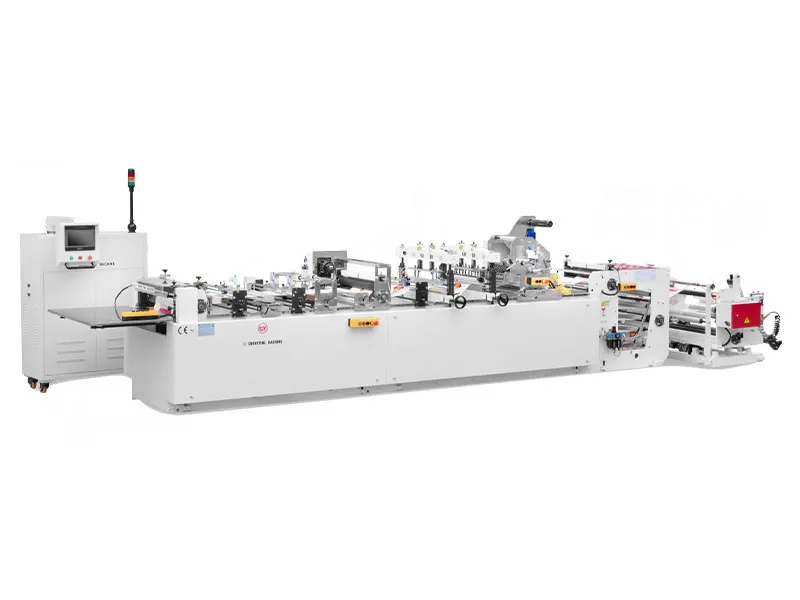
Key subsystems include unwinding, sealing, cutting, gusseting, and optional perforation or valve patch application. The integration of servo motor drives, PLC controllers, and automated tension control is now standard in modern machines, enabling repeatable quality and reduced waste. The FFS (Form-Fill-Seal) variant is a popular subset, where the machine produces bags inline with the filling process—often used in continuous packaging lines for powders and granules.
Key Specifications and Performance Metrics
When evaluating a heavy duty bag making machine, technical buyers need to focus on several core parameters. The checklist below outlines the most important specifications for procurement decisions.
- Film width and thickness range – Machine must accommodate the material you plan to use. Typical ranges: 300–1500 mm width, 50–200 microns thickness.
- Bag length and width capacity – Adjustable without mechanical changeovers reduces downtime. Look for servo-driven length adjustment.
- Production speed – Measured in cycles per minute or bags per minute. Mid-range machines run 40–80 bpm; high-speed models exceed 100 bpm.
- Sealing technology – Heat sealing (impulse or constant heat) for PE, or ultrasonic for laminates. Check seal strength and consistency.
- Automation level – PLC, touchscreen HMI, servo drives for tension and registration. Options include auto splicing, waste removal, and in-line gusseting.
- Bag style support – Flat bags, gusseted bags, valve bags, or bottom-seal designs. Some machines support multiple styles with modular kits.
- Certification and compliance – CE, UL, ATEX (if explosive environments) – important for international buyers and plant safety.
The table above is not exhaustive but serves as a baseline for comparing quotes. Many manufacturers offer customization; always request a specification sheet that matches your exact film and bag geometry.
Why Heavy Duty Bag Making Machines Are Essential for Bulk Packaging
Bulk packaging demands high mechanical strength, consistent seal integrity, and cost efficiency. Heavy duty bag making machines deliver these attributes by design. They replace manual or semi-automatic processes with automated, repeatable production.
- Seal reliability – Consistent temperature and pressure control reduce leakers, which is critical for moisture-sensitive products like cement or chemicals.
- Material efficiency – Servo-driven registration minimizes film waste; machines can achieve under 2% scrap in steady operation.
- Scalability – A single machine producing 50–80 bags per minute can serve a high-volume filling line, reducing the need for multiple lower-capacity units.
- FFS integration – In Form-Fill-Seal lines, the bag making machine feeds directly into the filling and sealing station, eliminating intermediate storage and handling. This reduces labor and contamination risk.
For operations that produce 10 million or more bags per year, investing in a heavy duty bag making machine with FFS capability can yield payback in 12–18 months through labor savings and material efficiency gains. An example scenario: a chemical manufacturer replacing manual bag loading with an automated FFS line reduces headcount by 4–6 operators per shift and cuts film waste by 3–5%.
Step 1: Define Your Production Requirements
Begin by documenting bag specifications (size, film type, seal style) and target output per shift. Include any regulatory constraints (e.g., food-grade, ATEX). This baseline will guide every decision downstream.
Step 2: Research Machine Configurations
Compare models that match your requirements. Request technical datasheets, visit supplier websites, and watch operational videos such as the heavy duty bag making machine demonstration to observe real-world performance and build quality.
Step 3: Evaluate Automation and Control
Check the control system architecture: PLC brand, servo motor type, HMI capabilities. Modern machines should offer recipe storage, remote diagnostics, and data logging. These features directly affect uptime and troubleshooting speed.
Step 4: Assess Support and Lifecycle Costs
Consider spare parts availability, warranty terms, and technical support hours. Total cost of ownership includes not only purchase price but also energy consumption, film waste rates, and maintenance frequency. Request references from buyers in similar industries.
How to Select the Right Heavy Duty Bag Making Machine for Your Production Line
Choosing a heavy duty bag making machine involves balancing speed, flexibility, and total cost. The following framework helps procurement teams compare offerings systematically.
Machine Type Comparison
Option A: Standalone Bag Making Machine – Produces bags offline, which are then stored and transported to filling lines. Offers flexibility in bag style changes but requires extra handling and storage space. Best for low-to-mid volumes or multiple bag sizes.
Option B: Inline FFS Bag Making Machine – Integrated with filling and sealing, forming bags directly from film roll. Reduces labor and film waste, but requires higher initial investment and tighter process control. Ideal for high-volume, single-product lines.
Buyer note: Evaluate your changeover frequency. If you switch bag sizes more than once per shift, a standalone machine with quick-change features may be more economical than an inline FFS system.
Beyond type, focus on the supplier’s track record in your industry. Ask about reference installations and request a factory visit or virtual demonstration. Many suppliers offer sample bag testing with your film—use this service to validate seal quality and machine stability before committing.
FAQ
What is the difference between a standard bag making machine and a heavy duty one?
A heavy duty bag making machine is built from more robust components (thicker frames, heavier gauges) to handle thick films and large bag sizes. It also includes higher-power servo drives and sealing systems capable of maintaining consistent temperature across wide seal bars. Standard machines are designed for lighter films and smaller bags typical of retail or grocery bags.
Can a heavy duty bag making machine produce valve bags?
Yes, many models are available with a valve patch attachment. The machine can form a self-closing valve that allows filling via a spout and then seals tightly after filling. These are common for cement, mortar, and chemical powders. The automatic valve bag making machine is a specific variant within the heavy duty category.
What is FFS in the context of heavy duty bag making?
FFS stands for Form-Fill-Seal. In this configuration, the heavy duty bag making machine is integrated with a filling station and a final sealer. The machine forms a tube from film, fills it with product, then seals the top. This eliminates separate bag storage and manual handling, improving productivity and hygiene.
What kind of film materials are compatible?
Most machines support low-density polyethylene (LDPE), linear low-density (LLDPE), high-density (HDPE), and some blends. For added strength or barrier properties, co-extruded films (e.g., nylon/PE) can be used if the sealing unit is appropriately specified. Always consult the manufacturer about film elongation and slip additives to ensure smooth feeding.
How much floor space is required for a heavy duty bag making machine?
Space requirements vary significantly by model and automation level. A typical standalone machine may occupy 8 m × 3 m including unwind and rewinding stations. Inline FFS systems can be longer due to the filling and sealing modules. Obtain a layout drawing from the supplier and allocate additional clearance for operator access and material handling.
Conclusion
Selecting a heavy duty bag making machine is a strategic investment that affects production throughput, film waste, and overall packaging cost. By understanding the key specifications, evaluating automation and FFS integration options, and following a structured selection process, procurement teams can make informed decisions aligned with their operational goals. Begin with a clear definition of your bag requirements and output targets, then compare machine configurations using the criteria outlined in this guide. For further insight, review the heavy duty bag making machine video and consult directly with experienced manufacturers to validate performance claims against your own materials and production context.