 English
 Pусский
 Español
 Apr 21,2026
If you are scaling up plastic packaging production or replacing outdated factory equipment, distinguishing the practical gaps between two mainstream packaging production devices will directly shape your long-term profit margin. Many factory owners and packaging entrepreneurs struggle to pick between equipment tailored for handheld carry bags and continuous roll-style bag output, and the core distinction lies in production flexibility, material consumption, and end-market adaptability. A Vest Bag Machine focuses on finished handheld bag fabrication, while roll bag production gear leans into continuous coiled packaging for industrial and daily bulk use, and each carries unique strengths for specific operational scales. flexible bag manufacturing equipment maintains steady 3.5% annual growth, as small to mid-sized manufacturers seek specialized gear to match segmented market demands.
Core Functional Differences in Production Logic
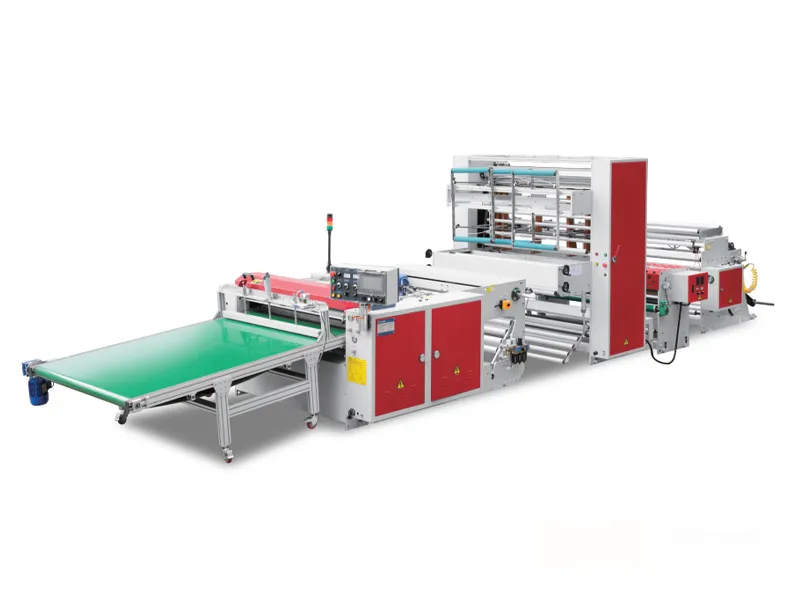
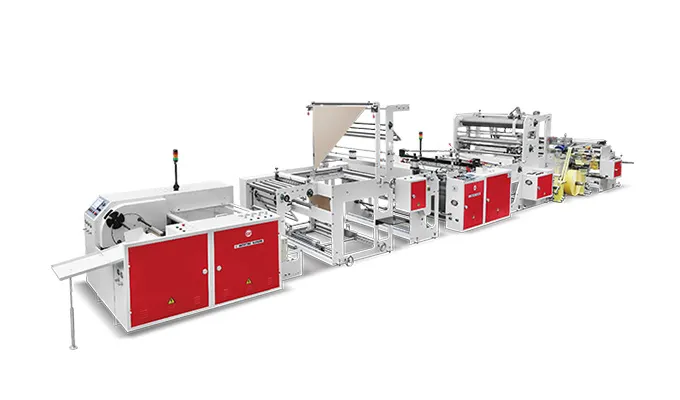
The fundamental divide between the two types of equipment stems from their finished product form and post-processing needs, which alters daily workshop operations significantly. Roll bag production units create continuous coiled bags with perforated lines, allowing users to tear off single units on demand. This design prioritizes uninterrupted mass output with minimal manual intervention, ideal for businesses that prioritize streamlined assembly line integration.
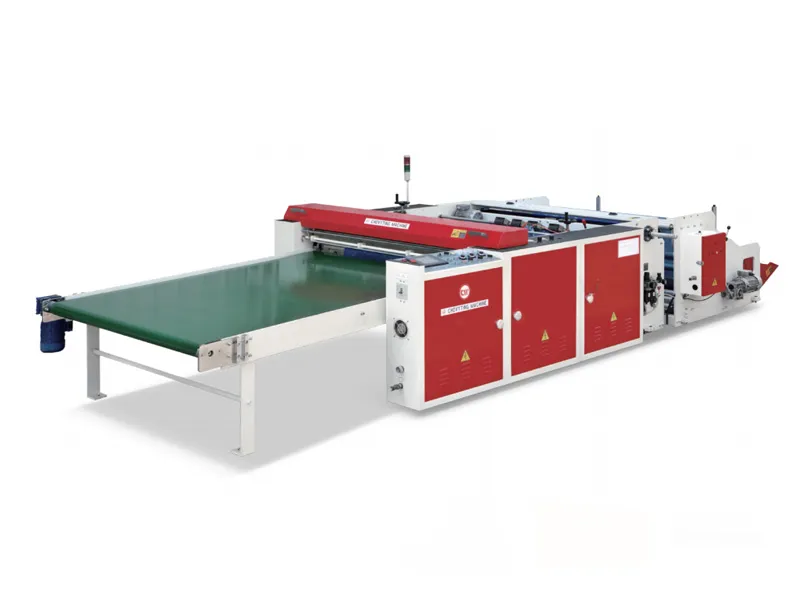
In contrast, gear built for handheld carry bag output completes cutting, handle punching, and edge sealing in one cycle, delivering standalone ready-to-use bags with no extra processing. For workshop managers, this means different labor allocation: roll line devices need fewer on-duty workers for continuous running, while standalone bag production requires basic sorting and stacking arrangements.
-Making-Machine.webp)
When digging into structural design, most roll bag making systems adopt integrated rolling and winding modules, supporting extended non-stop operation. Meanwhile, devices for portable shopping bags add customized punching and heat-sealing components to shape ergonomic handles, a key design tweak that expands retail application potential. For anyone new to packaging manufacturing, clarifying this core production logic helps avoid over-investing in unnecessary functional modules.
Applicable Scenarios: Match Equipment to End-User Demand
Real-world application is always the most practical evaluation standard for industrial machinery, and these two devices serve entirely different downstream industries. on-roll plastic bag production solutions dominate commercial cleaning, catering takeout, and hardware retail sectors. Supermarket fresh food sections, hotel daily supplies, and factory workshop waste collection all rely on rolled bags for space-saving storage and convenient single-piece use.
On the flip side, finished portable carry bags are irreplaceable in physical retail, grocery stores, and local convenience store chains. Shoppers need sturdy handheld packaging for daily purchases, and this demand remains rigid despite the push for eco-friendly packaging alternatives. Regional retail chains often place bulk orders for printed customized carry bags, creating stable order sources for relevant manufacturers.
For mixed-order factories that handle both retail and industrial clients, balancing two production lines once meant high equipment investment. Yet modern upgraded models from reliable brands simplify this conflict, with adjustable modules to switch between product types.
Cost Efficiency & Long-Term Operational ROI Analysis
Production cost control determines the survival of packaging manufacturers, and raw material utilization, power consumption, and maintenance costs form the core of ROI calculation. Roll bag making equipment boasts higher raw material utilization, as continuous film winding reduces edge trimming waste by nearly 8% compared to intermittent cutting processes, according to 2026 packaging machinery cost data from IndexBox.
In terms of energy consumption, continuous rolling operation stabilizes power output, avoiding frequent start-stop energy loss seen in batch-type bag production. Small-scale processors with daily output below 100,000 units may find roll-focused gear overly functional, while large factories will notice obvious cost advantages in high-volume continuous production.
Maintenance costs also vary: roll production structures are relatively simple, with fewer vulnerable parts, lowering annual upkeep expenses. Equipment for shaped carry bags has more precision components like punching dies and customized sealing blades, requiring regular replacement and professional debugging.
Customization Capacity: Meet Differentiated Market Needs
Today’s packaging market no longer relies on single-specification mass production; personalized printing, thickness adjustment, and eco-friendly material compatibility have become basic customer requirements. Roll bag making machines support simple logo monochrome printing and thickness fine-tuning, suitable for standardized industrial orders with low customization thresholds.
The other type of equipment shines in multi-dimensional customization, supporting full-color surface printing, reinforced edge sealing, and degradable film adaptation. As global plastic restriction policies tighten, custom plastic bag manufacturing that integrates biodegradable materials has become a key competitive edge for manufacturers. Retail brands pursue exclusive printed packaging to enhance brand recognition, making flexible customized production a must-have capability.
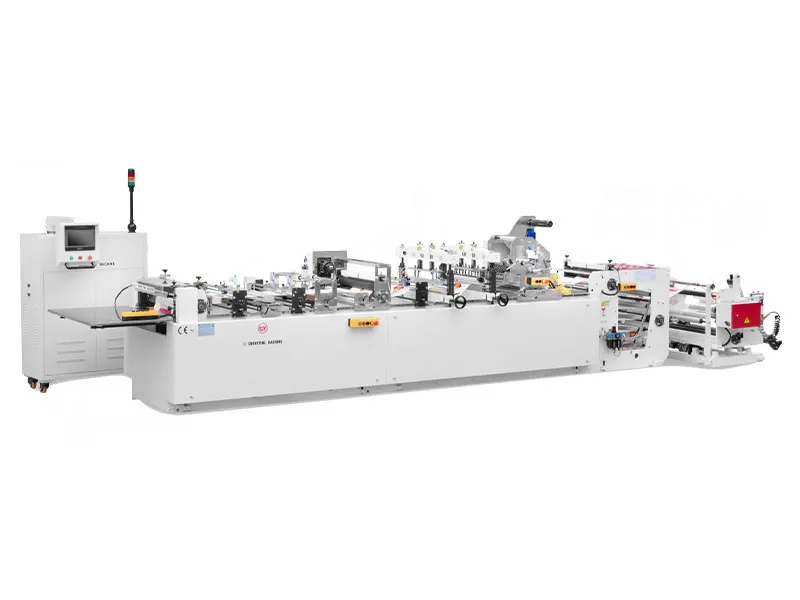
Chovyplas, as a seasoned packaging machinery developer, has long focused on personalized module development. Its adjustable sealing systems and intelligent parameter control panels allow quick switching between different bag sizes and material types, greatly shortening order switching cycles for flexible manufacturers. For factories with frequent customized order demands, this adaptable design effectively reduces time loss caused by equipment debugging.
Reasonable Equipment Selection: Targeted Solutions for Different Scales
After sorting through performance, cost and customization factors, targeted selection can effectively avoid blind investment. If your business focuses on industrial supporting packaging, hotel supplies, and large-scale catering chain cooperation, roll bag making equipment is the more sensible pick. It delivers stable output, low operating costs, and strong compatibility with automated packaging lines, perfectly matching repetitive standardized order demands.
For manufacturers deeply engaged in retail supporting packaging, fresh supermarkets, and community convenience store supply chains, a practical Vest Bag Machine acts as a precise solution. It meets the rigid demand for portable shopping bags, supports rich personalized customization, and opens up high-value customized order channels that single-function roll equipment cannot cover. Balancing production speed and product diversity, this option brings more flexible profit space for small and medium-sized processors.
For enterprises with dual business layouts and uncertain future order trends, dual-purpose integrated equipment is the middle-ground choice. Though slightly higher in initial cost, it avoids the risk of single-product reliance and responds to market demand fluctuations more calmly.
Final Thoughts: Align Machinery Choice with Long-Term Industry Trends
The flexible packaging industry is evolving amid sustainability reforms and consumption upgrading, and machinery selection should never focus only on immediate production needs. retail packaging equipment with eco-material adaptability and intelligent control will occupy a larger market share in the next five years. Both types of core equipment are iterating toward low energy consumption, low waste and high intelligence, and early layout of upgraded models will help manufacturers seize market opportunities.
There is no absolute good or bad between the two devices, only suitability for business positioning. Clarify your core customer groups, daily production volume and customized order proportion, then match the corresponding production equipment. With mature after-sales support and technical upgrade services, manufacturers like Chovyplas can help every packaging producer lock in the most cost-effective production setup and build stable long-term production competitiveness.