 English
 Pусский
 Español
 May 25,2026
A packaging plant manager once shared a costly lesson with me. He had invested in a high-speed side sealing machine, expecting to run heavy-duty garbage bags. After three weeks of production, he was drowning in rejects—bags splitting open at the seals, line downtime mounting, and a warehouse full of unusable inventory. “I thought a sealing machine was just a sealing machine,” he said.
The truth is, bottom seal and side seal technologies are fundamentally different systems, engineered for different bag types, materials, and operational demands. Choosing the wrong family can derail your entire production economics.
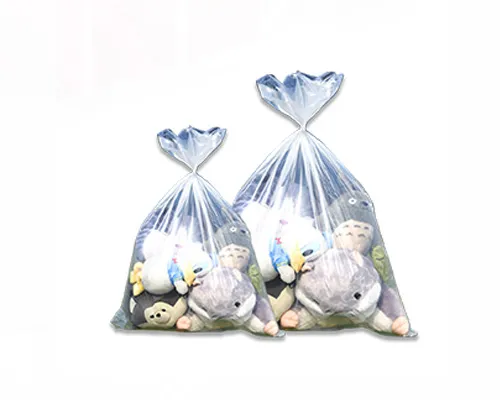
The Silent Killer of Packaging Margins: Wrong Seal Selection
Let me start with a fact that surprises most buyers: bottom-seal and side-seal structures represent the vast majority of global plastic bag production—but they are not interchangeable. The sealing method determines not just how the bag looks but also how strong it is, how quickly you can produce it, and which products it can safely hold.
If you are evaluating industrial bag production line equipment for your facility, understanding this distinction is where smart capital allocation begins.
Here is the core difference at the engineering level:
-
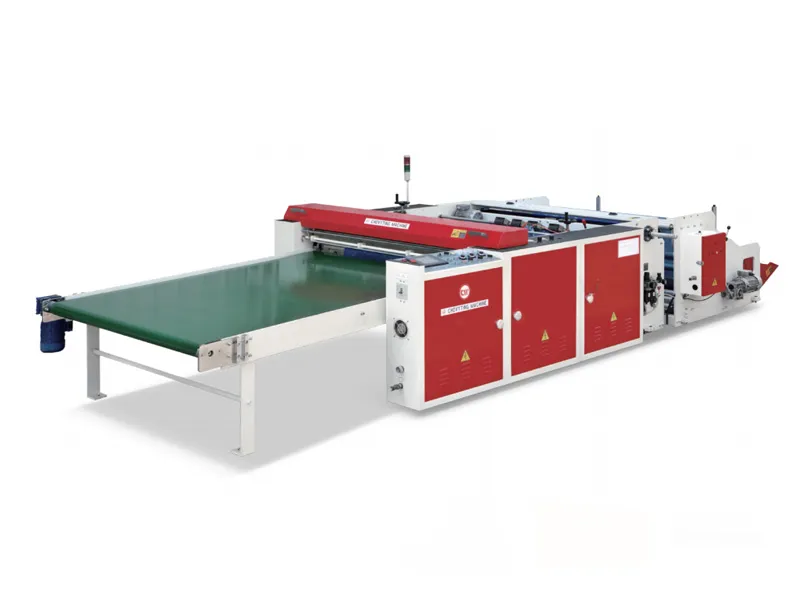
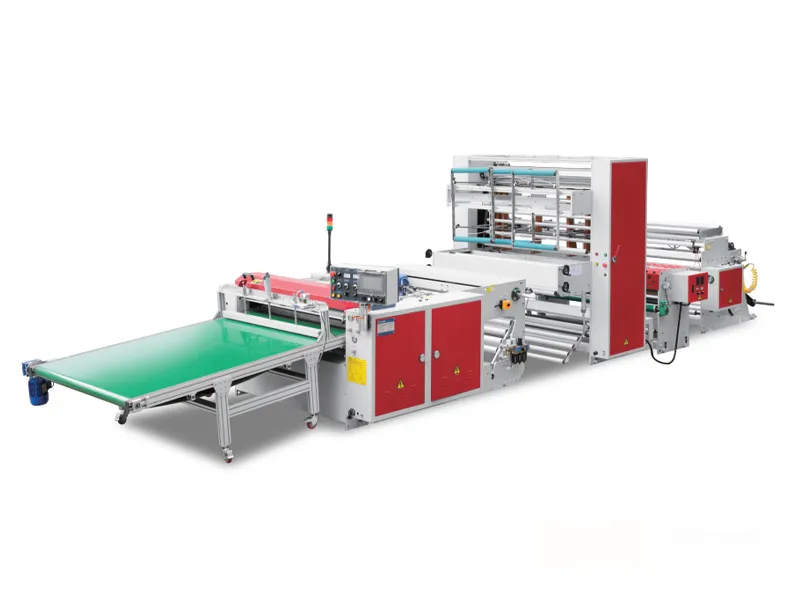
Bottom-seal machines start with a blown film tube, form a heat seal at the bottom, then cut individual bags. The seal runs across the bag’s base, creating a wide, reinforced sealing line that distributes weight evenly.
-
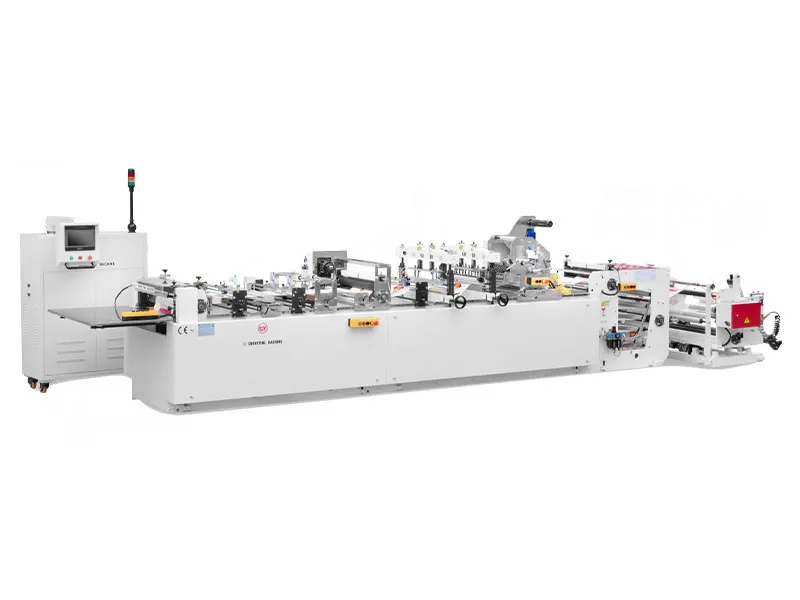
Side seal machines use two separate webs of film, heat-sealing along the sides to form the bag body. This allows precise control over bag aesthetics and structure—perfect for bags that need a clean, professional appearance.
Why Bottom Seal Dominates Heavy-Duty Applications
If your production involves load-bearing bags—think garbage liners, industrial waste bags, bulk grain packaging, or construction materials—bottom seal technology is engineered for you.
The reason is straightforward: the seal is at the bottom of the bag, where the weight of the contents naturally concentrates. A bottom seal provides a wider sealing footprint that withstands significant stress without tearing.
An industry guide on bag machine selection notes that bottom seal machines are specifically engineered for heavy-duty applications because they offer the strongest sealing strength for load-bearing products, handle thick-gauge and recycled films with superior stability, and are built for high-speed continuous operations. Manufacturers producing trash bags, T-shirt bags, industrial liners, and drawstring garbage bags consistently rely on this seal type.
From real-world operations, waste management companies and industrial buyers favor bottom seal systems because these seals “just plain work better under pressure compared to alternatives”.
Key applications for the bottom seal include:
-
T-shirt (vest), bag,s and shopping bags
-
Garbage and trash bags
-
Industrial heavy-duty liners
-
Drawstring garbage bags
-
Bag-on-roll formats for retail and wholesale
(https://youtu.be/TkFGCxY0g7M?si=B0irB6ncXM6Zjy03)
When Side Seal Gives You the Competitive Edge
Now, suppose your business focuses on e-commerce fulfillment, garment packaging, or retail displays. In that case, side seal technology opens different advantages altogether.
Side seal machines are the workhorses behind courier bags, OPP garment bags, stationery packaging, and clear retail bags. They achieve something bottom seal cannot: exceptionally clean seal appearance with superior optical clarity—critical when brand presentation matters.
A side seal machine manufacturer explains that these machines “let manufacturers produce bags quickly by sealing along the sides,” handling everything from simple flat bags to those with gusseted bottoms. They are everywhere in retail settings—clothing stores, office supply shops, and grocery stores all rely on side-sealed bags for lightweight items.
Modern side seal equipment also offers remarkable adaptability, with settings that let operators tweak parameters depending on the bag type needed next. And for high-volume operations, some side seal configurations achieve speeds reaching 300 cuts per minute with near-zero error margins.
Key applications for side seal include:
-
Courier and mailing bags with self-seal closures
-
OPP garment and apparel bags
-
Stationery and office supply packaging
-
Retail display bags with hang holes
-
Side-seal zipper bags for accessories and apparel
Side-by-Side: A Practical Comparison
| Parameter | Bottom Seal Machine | Side Seal Machine |
|---|---|---|
| Primary Strength | Exceptional load-bearing; wide seal line withstands heavy contents | Clean aesthetics; superior optical clarity for branding |
| Best For | Garbage bags, industrial liners, T-shirt bags, drawstring bags | Courier bags, garment bags, retail packaging, stationery |
| Seal Position | Across the bag’s bottom | Along one or both sides of the bag |
| Film Compatibility | HDPE, LDPE, recycled films, thick-gauge materials | OPP, CPP, laminates, films requiring high transparency |
| Production Speed | High-speed continuous | Extremely high cycle speed for rapid order fulfillment |
| Typical Output | Multi-lane: up to 180pcs/min × lines | Up to 500pcs/min for certain configurations |
The Technical Nuances That Impact Your Bottom Line
Beyond the obvious distinctions, several engineering factors will directly affect your operating costs and product quality.
Material handling. Bottom seal machines handle thicker gauges and recycled materials more reliably due to their robust sealing bar design. Side seal machines, by contrast, excel with thinner films like OPP and CPP where optical properties matter most.
Seal integrity failures. In my experience, the most frequent issue operators encounter with either machine type is weak or incomplete seals. This typically traces back to three variables: temperature too low, dwell time too short, or insufficient pressure. When switching between film types or thicknesses, these parameters must be recalibrated—a step that is often rushed in busy production environments.
Temperature extremes. On the other end, burned or melted bags usually result from excessive heat or dwell time, particularly when switching to thinner films without adjusting settings. Machines with intelligent temperature control systems substantially reduce this risk.
Film slipping and jamming. Film feeding issues—where plastic film does not feed properly through the machine—can cause misaligned printing or sealing. Worn feed rollers, inadequate tension control, or misaligned components are the usual culprits.
Maintenance Tips That Extend Equipment Life
Regardless of which sealing technology you choose, regular maintenance is non-negotiable. Here are three practices that pay for themselves:
Weekly temperature calibration. Ensure your heat sealing temperature is appropriate for the specific film you are running. Too low creates weak seals; too high causes charring.
Monthly component inspection. Check sealing bars, silicone pads, and Teflon covers for wear or damage. Even small deformations can cause uneven sealing across the bag width.
Tension system checks. Film tension that drifts out of specification is a leading cause of inconsistent bag dimensions. Inspect feed rollers and tension controls regularly to maintain consistent film feed.
Making Your Decision: A Practical Framework
When I help packaging manufacturers decide between these technologies, I ask three questions:
1. What is your primary bag type?
Heavy-duty, load-bearing, or waste bags → bottom seal. Lightweight retail, garment, or courier bags → side seal.
2. What materials do you run most often?
Recycled films, thick-gauge HDPE/LDPE, or multi-layer laminates for strength → bottom seal. OPP, CPP, or films requiring high transparency → side seal.
3. What is your volume and speed requirement?
Both technologies offer high-speed options, but side seal typically achieves higher peak cycle speeds for thinner materials, while bottom seal excels in continuous heavy-duty runs.
A Note on Flexibility
It is worth noting that some modern machines offer hybrid capabilities. Certain bag machine configurations can produce both bottom-seal and side-seal bags, though each machine family remains optimized for its primary application. If your production requires both types at scale, separate dedicated lines often deliver better long-term ROI than trying to force one machine to do everything.
The Bottom Line
Choosing between bottom seal and side seal is not about which technology is “better.” It is about matching the sealing method to your product requirements, material specifications, and production volume.
If you are producing high-strength bags that must hold weight without failure, the bottom seal is your answer. If you need clean, professional packaging for retail or e-commerce with excellent optical properties, side seal deserves your investment.
Once you have identified the sealing technology that fits your production, explore specific bag-making configurations designed for your target bag types—from heavy-duty industrial liners to high-clarity retail packaging.
Get the seal right, and everything else follows.
References & Further Reading
-
Parkins Machinery. “底封機與邊封機:技術差異、應用場景與選購指南.” (Comparison of bottom seal and side seal technologies, applications, and purchasing considerations.)
-
PRM Taiwan. “The Plastic Bag Machine Buyer’s Guide: How to Select Equipment Based on Bag Type, Material, and Production Scale.” (Comprehensive buyer’s guide on sealing structures and machine selection.)
-
Imperial Dade. “Troubleshooting Heat Sealers 101: Common Issues and Maintenance Guide.” (Technical maintenance and troubleshooting for heat sealing equipment.)
-
Yunfeng. “Common Issues with Plastic Bag Making Machines and How to Solve Them.” (Operational problem-solving for plastic bag manufacturing.)