 English
 Pусский
 Español
 May 23,2026
Article Overview: This article provides a comprehensive comparison of blown film bag making machines, helping buyers evaluate key criteria for their specific production needs. It covers technical fit, operational implications, and decision-making frameworks for CTOs, technical architects, and procurement teams. The guide emphasizes objective evaluation, tradeoffs, and risks associated with different machine types and brands.
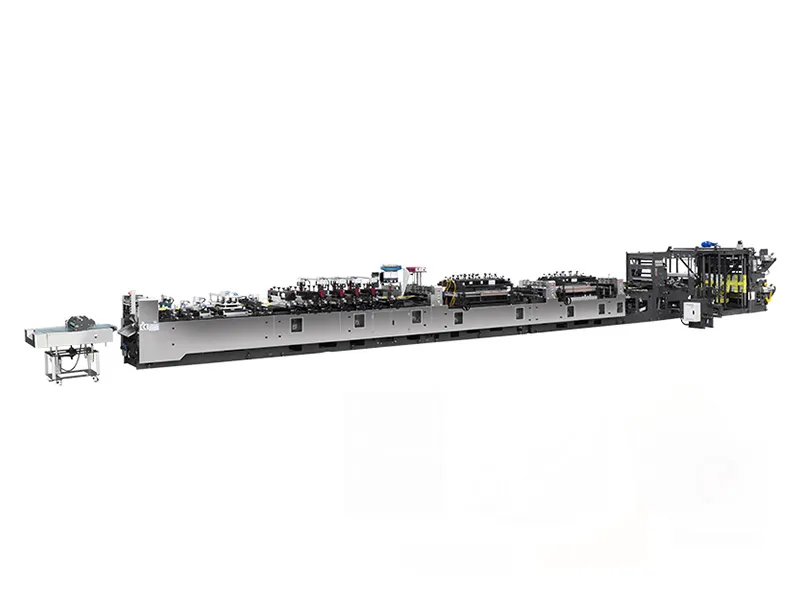
Selecting the right blown film bag making machine is a critical decision that directly impacts production efficiency, product quality, and overall cost. With a wide range of configurations—from mini center sealing pouch machines to heavy-duty multi-function laminated bag makers—buyers need a structured approach to compare solutions. This guide provides an objective comparison framework, emphasizing trade-offs, technical constraints, and operational risks. By evaluating machines from multiple suppliers, you can identify the best fit for your production scale, bag variety, and budget.
Understanding Blown Film Technology and Its Role in Bag Production
Blown film extrusion is the foundational process for manufacturing plastic bags. In this process, molten plastic is extruded through a circular die, inflated into a bubble, cooled, and then flattened into film. The film's properties—such as thickness uniformity, strength, and clarity—depend on parameters like blow-up ratio, cooling rate, and die gap. Bag making machines then convert this film into finished bags through sealing, cutting, and sometimes gusseting or perforation. Understanding these underlying processes helps buyers evaluate machine specifications accurately.
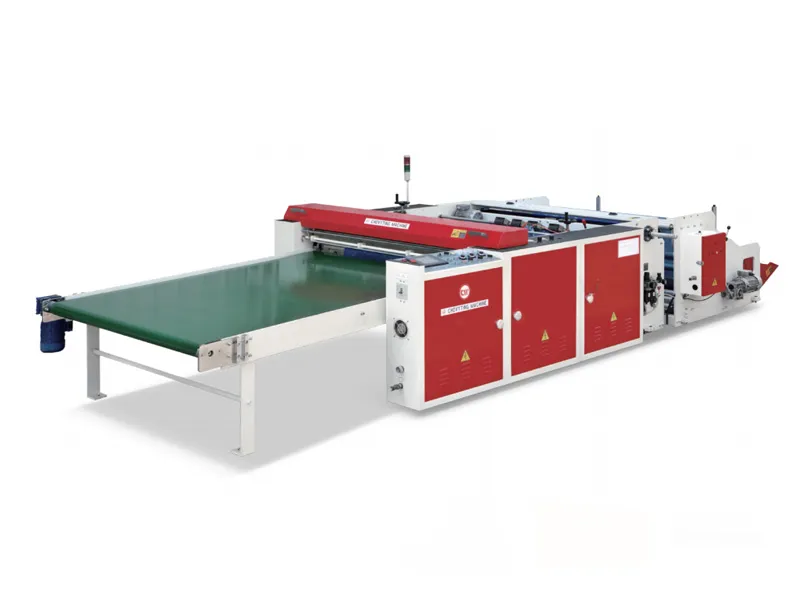
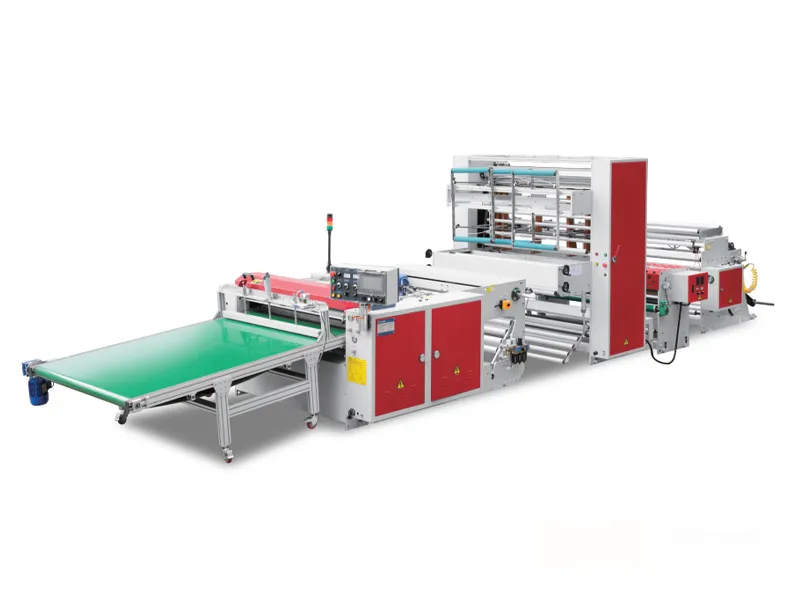
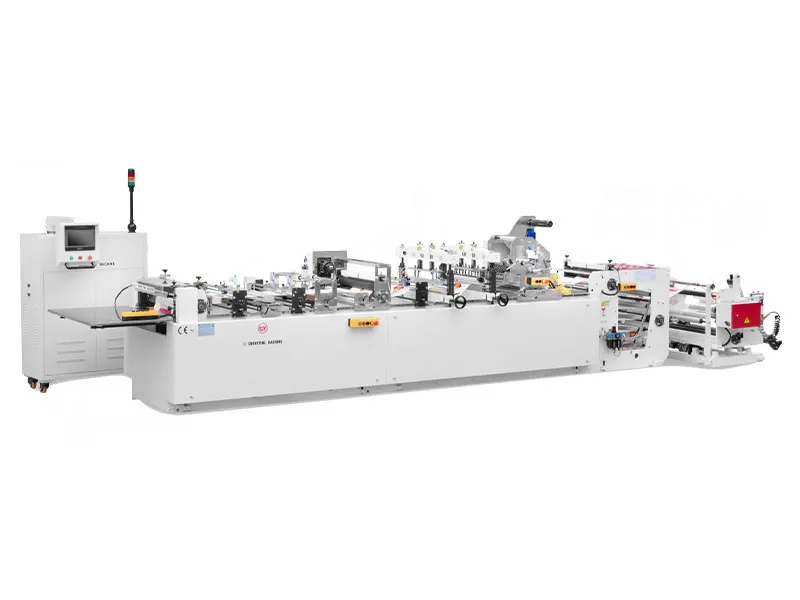
Different machine configurations are tailored to specific bag types: center sealing machines produce pouches with a central seal, often used for stand-up pouches; side sealing machines create bags with seals on left and right edges, common for t-shirt bags and simple sacks; bottom sealing machines are ideal for heavy-duty bags. The choice between these configurations affects bag style, throughput, and film usage. For a broader view of available machine types, explore the range of bag making machine configurations offered by various manufacturers.
Key Comparison Criteria for Blown Film Bag Making Machines
When comparing blown film bag making machines, focus on these objective criteria:
- Film Width and Bag Size: Heavy-duty machines typically produce bags up to 1500 mm wide, while mini machines are limited to 300 mm or less. Gusset depth also varies—for example, vertical tube film side gusset machines offer gusset depths of 25–100 mm.
- Automation Level: Look for PLC and servo control systems that ensure consistent tension and accurate sealing. Fully automatic machines reduce labor but require higher upfront investment. Semi-automatic options offer a balance for smaller operations.
- Speed and Output: High-speed models (e.g., 200+ bags per minute) suit large-scale production but may require more complex maintenance. Mini machines typically operate at 30–80 bags per minute, balancing cost and volume.
- Material Compatibility: The machine must handle your specific plastic—LDPE, LLDPE, biodegradable resins, or laminated films. Check melt flow index ranges and film thickness capabilities (typically 0.01–0.2 mm).
- Additional Features: Perforation, hole punching, gusseting, and handle cutting add versatility. Modular designs allow future upgrades. Some machines integrate printing units or inline slitting.
- Build Quality and Support: Evaluate frame construction, sealing bar durability, and availability of spare parts. Check if the manufacturer offers training, remote diagnostics, and warranty terms.
The table below summarizes typical specifications for three common machine types from different suppliers:
| Machine Type | Typical Bag Width | Gusset Depth | Automation | Speed (bags/min) | Capital Cost Range |
|---|---|---|---|---|---|
| Mini Center Sealing Pouch Machine | Up to 350 mm | N/A | Basic PLC | 30–80 | $15,000–$30,000 |
| Heavy Duty Bottom Sealing Machine | Up to 1500 mm | 25–150 mm | Servo-driven | 40–100 | $40,000–$100,000 |
| Fully Automatic Multifunction Laminated Machine | Up to 800 mm | Up to 80 mm | Advanced PLC+Servo | 60–150 | $60,000–$150,000 |
These ranges are indicative and vary by brand and customization. For instance, some European manufacturers offer higher precision but at a premium, while Asian suppliers may provide cost-effective alternatives. It is essential to compare multiple quotations and verify specifications with test runs.
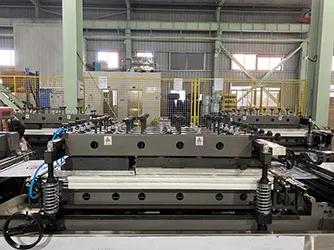
Evaluating Technical Fit: Production Scale and Bag Variety
Choosing a machine that matches your production scale is essential. Mini machines are ideal for startups or small batches of specialty bags (e.g., doypacks, center seal pouches). They offer lower capital cost and smaller footprint, but limit output and bag size. In contrast, heavy-duty machines cater to high-volume production of garbage bags, shopping bags, or heavy-duty sacks. They support wider film and integrate higher automation, reducing per-unit labor cost.
For example, a company producing 500,000 t-shirt bags per day would require a high-speed heavy-duty line with speeds up to 150 bags per minute, whereas a packaging converter making varied laminated pouches might benefit from a multifunction machine with quick changeover capabilities. A buyer must also consider the intended bag types: bottom seal, side seal, gusseted, or perforated-on-roll. Machines like the vertical tube film side gusset machine specialize in gusseted bags, while laminated pouch machines handle multi-layer film. Reviewing the technical capabilities and production capacity of potential suppliers can clarify fit.
Another critical factor is the ability to handle different film materials. Biodegradable films, for example, require lower processing temperatures and modified sealing parameters. Not all machines are optimized for these materials, so confirm compatibility upfront. Similarly, if you plan to produce bags with handles or reinforced patches, ensure the machine supports auxiliary stations.
Operational Implications and Buyer-Side Risks
Beyond specifications, operational factors influence total cost of ownership. Installation footprint—heavy-duty machines may require 10–20 square meters of floor space and reinforced foundations. Operator training: advanced PLC systems demand skilled technicians, while simpler machines are easier to run. Maintenance schedules vary; modular designs simplify repairs, but custom parts may have longer lead times. Energy consumption (typically 5–15 kW per machine) and raw material waste (e.g., during startup) should also be factored into the cost per bag.
Buyer-side risks include over-specification (paying for capacity you don't need) and under-specification (bottlenecks as demand grows). It's prudent to negotiate service agreements and ensure spare parts availability. Many suppliers provide after-sales support and service videos to help with troubleshooting. Additionally, running sample materials on the machine before purchase can reveal compatibility issues. Consider the supplier's lead time: typical delivery ranges from 30 to 90 days depending on customization level.
Another risk is brand reliability. While established European and Japanese brands are known for durability, they come at a higher cost. Chinese and Indian manufacturers offer competitive pricing but may require more rigorous quality checks. Always request references from similar buyers and inspect the machine's construction quality. A certified supplier with ISO 9001 can provide additional assurance.
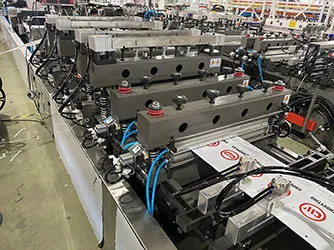
Frequently Asked Questions
- What is the difference between a center sealing and side sealing machine?
- Center sealing machines produce pouches with a seal along the center of the bag, often used for flat-bottom or stand-up pouches. Side sealing machines create bags with seals on the left and right edges, typical for t-shirt bags and simple sacks. Your choice depends on bag design and production speed requirements. Center sealing machines generally offer better gusset control, while side sealing machines are simpler and faster for standard bags.
- How do I choose between a mini machine and a heavy-duty machine?
- Assess your daily output target and bag size requirements. Mini machines are suitable for small-scale production (e.g., 50,000 bags per day) and small bags (up to 350 mm width). Heavy-duty machines handle larger volumes (100,000+ bags per day) and wider bags (up to 1500 mm). Also consider future growth—if you plan to increase production, a modular heavy-duty machine may be more cost-effective in the long run.
- What maintenance is required for blown film bag making machines?
- Routine tasks include cleaning sealing bars, lubricating moving parts, checking tension controls, and inspecting heaters. Advanced machines may require firmware updates. Follow the manufacturer's maintenance schedule to avoid downtime. Many suppliers offer remote diagnostics. For critical machines, consider a preventive maintenance contract.
- Can I use biodegradable films on standard blown film machines?
- Yes, but you must ensure the machine's temperature and speed settings are compatible with the film's melt flow behavior. Some biodegradable resins require lower temperatures (e.g., 140°C instead of 180°C) and slower throughput. Consult with the machine supplier for recommended film types and possibly a retrofit kit. Some manufacturers offer dedicated biodegradable film settings.
- How do I evaluate the total cost of ownership (TCO)?
- TCO includes initial capital, installation, training, energy, spare parts, and maintenance over 5–10 years. Calculate cost per bag by dividing total TCO by expected bag output. Higher automation reduces labor cost but increases capital and maintenance. Use a spreadsheet with realistic assumptions for downtime and scrap rate. Request TCO models from suppliers.
Conclusion
Comparing blown film bag making machines requires a systematic evaluation of technical specifications, production scale, and operational costs. By focusing on criteria like film width, automation, speed, material compatibility, and supplier support, buyers can select a solution that aligns with their current and future needs. Remember to assess risks such as over-specification, under-specification, and reliance on a single brand. Diversify your evaluation by considering multiple suppliers across different regions. Ultimately, the best machine is one that balances output quality, cost efficiency, and flexibility for your product mix. For further insights into machine configurations, review the plastic bag making machine video demonstrations available online.