 English
 Pусский
 Español
 Apr 11,2026
When was the last time a production batch of shopping bags failed because of inconsistent sealing? Or when your machine’s speed simply couldn’t keep up with order volume? These are not rare stories in the packaging industry.
According to a 2023 survey by a European packaging association, nearly 40% of small to mid-size bag manufacturers experience at least two unplanned downtime events per month due to inadequate bag making equipment. The real cost? Missed deadlines, material waste, and customer complaints.
If you’re in the market for a best bag making machine for shopping bags, you’ve likely realized that not all machines are created equal. Some excel at high-speed production of T-shirt bags, others specialize in heavy-duty bottom-seal bags for retail. The key is to understand the technical trade-offs before you invest.
What Makes a Shopping Bag Machine “Good”? Three Core Dimensions
Before comparing specific machine types, let’s define the performance metrics that matter most for shopping bag production:
-
Seal Integrity & Consistency – Shopping bags must hold weight without splitting at the bottom or side seals. Poor heat control leads to weak points.
-
Production Speed & Uptime – Measured in cycles per minute (e.g., 80–150 pcs/min for standard polyethylene bags). Downtime for adjustments kills profitability.
-
Material Versatility – Can the machine run recycled LDPE, biodegradable films, or high-starch blends? This is becoming critical due to plastic regulations worldwide.
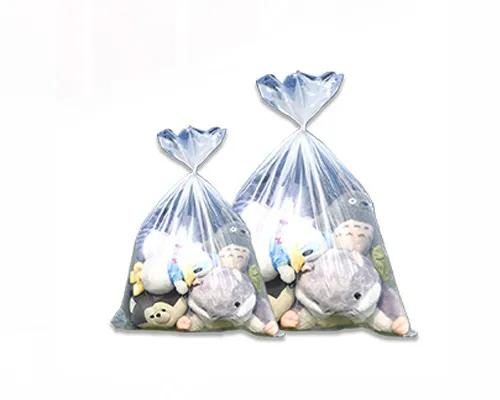
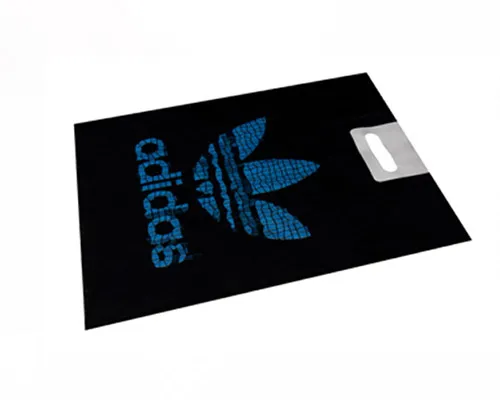
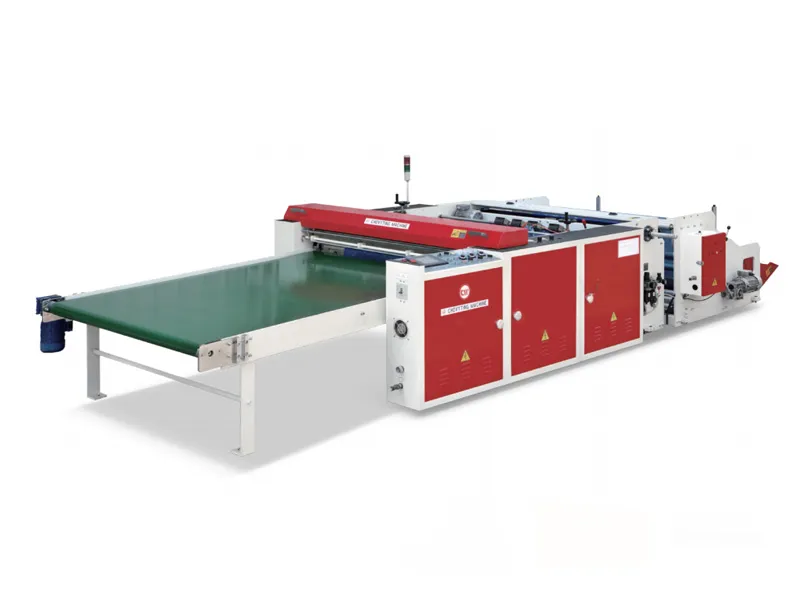
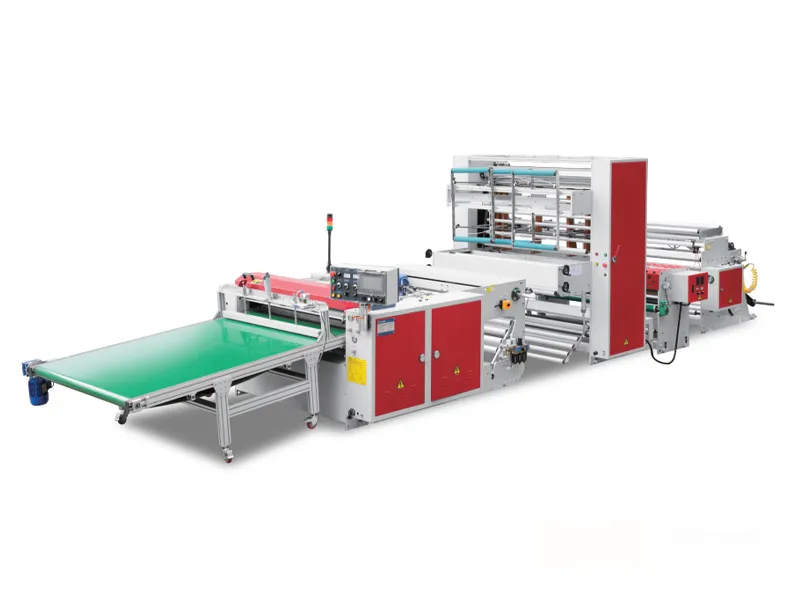
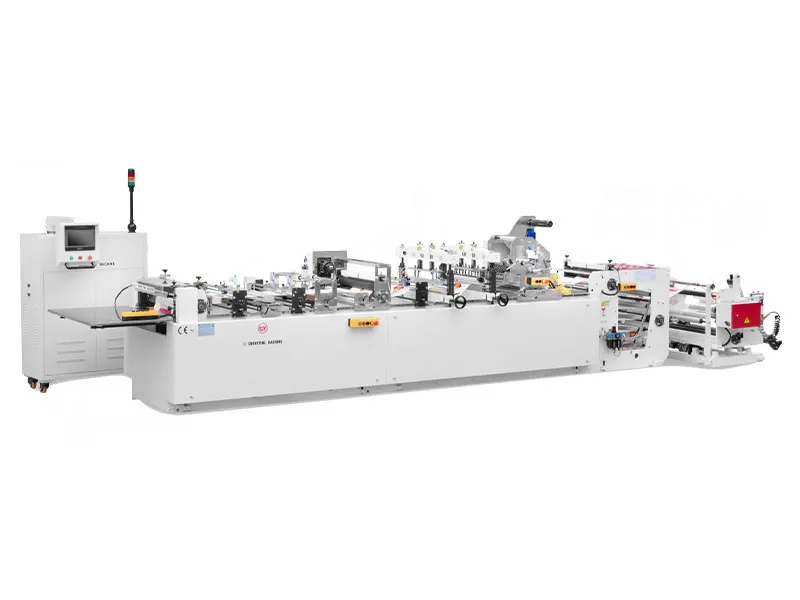
Machine Type Comparison: Bottom Seal, Side Seal, and Heat Seal
For shopping bags, three main configurations dominate the market. Each has strengths and weaknesses depending on your bag style, order volume, and film type.
| Feature | Bottom Seal Bag Machine | Side Seal Bag Machine | Heat Seal (Impulse) Machine |
|---|---|---|---|
| Typical Bag Style | T-shirt bags, vest bags, grocery bags | Flat bags, produce bags, header bags | Small pouch bags, light-duty shopping bags |
| Seam Location | One seal at the bottom, open top | Two side seals, open top and bottom | Variable, usually one side |
| Max Speed (pcs/min) | 100–150 | 120–180 | 40–80 |
| Film Thickness Range | 0.01–0.15 mm | 0.008–0.12 mm | 0.02–0.10 mm |
| Sealing Method | Hot knife + pressure | Heated rollers or bars | Impulse heat with cooling |
| Maintenance Complexity | Medium (blade replacement) | Low to medium | High (sealing ribbon wear) |
| Ideal for Shopping Bag Type | Grocery T-shirt bags, merchandise bags | Retail flat bags, bakery bags | Small boutique bags, sample bags |
*Data based on common industry specifications (ISO 14616:2004 test methods for heat-sealed films).*
From this table, you’ll notice that bottom seal machines are the workhorse for high-volume shopping bags (like those used in supermarkets), while side seal machines offer more speed for simple flat bags. But the decision isn’t just about speed – it’s about matching the machine to your actual order mix.
If you want to see how these specifications translate into real production data, view detailed technical specifications for a modern bottom-seal line.
Four Common Pitfalls When Buying a Bag Making Machine (And How to Avoid Them)
Even experienced plant managers sometimes overlook these traps:
- Chasing only maximum speed.A machine rated at 200 pcs/min is useless if it takes 30 minutes to change film rolls or adjust bag length. Real-world throughput = rated speed × uptime efficiency. Always ask for average effective speed over an 8-hour shift.
- Ignoring sealing cooling time.For shopping bags with heavy loads (e.g., 5–10 kg), the seal must cool properly before stacking. Cheap machines skip active cooling, leading to “false seals” that open in transit. Look for forced-air or water-cooled sealing bars.
- Underestimating servo vs. clutch-brake systems.Older clutch-brake designs are cheaper upfront but drift in registration over long runs. Servo-driven systems maintain ±1 mm accuracy even after 500,000 cycles – crucial for printed shopping bags with logos.
- No plan for biodegradable films.With many countries banning single-use conventional plastics, you may need to run PLA or PBAT blends. Standard heat-seal profiles don’t work here. Ask whether the machine offers independent temperature control zones and adjustable sealing pressure.
A plant manager from a Thai packaging supplier recently shared: “We bought a low-cost bottom seal machine, but it couldn’t handle recycled LDPE without constant jamming. After switching to a servo-controlled unit, our scrap rate dropped from 8% to under 1.5%.”
How to Match Machine Type to Your Shopping Bag Portfolio
Let’s translate features into a decision flow:
-
If you produce 50,000+ T-shirt bags per day (grocery stores, takeout bags) → A bottom seal machine with servo motor and automatic unwind is your baseline. Look for quick-change sealing knives.
-
If you run short runs of custom-printed flat bags (boutiques, event bags) → A side seal machine with a photo-eye registration system gives you faster changeover.
-
If you primarily make small, lightweight shopping bags (e.g., 15x20 cm for jewelry) → A heat seal machine may be enough, but consider future volume growth.
For most medium-to-large shopping bag producers, the bottom seal configuration offers the best balance of seal strength, material flexibility, and maintenance ease. But there’s a catch: not all bottom seal machines are built to the same standard. The critical components are the sealing knife alloy, the tension control system, and the cooling length.
To see how a well-engineered bottom seal system addresses these pain points, explore Chovyplas’s bag making solutions – including servo-driven models with active cooling.
Three Advanced Features That Reduce Total Cost of Ownership
Beyond basic specs, consider these value-adding capabilities:
1. Modular sealing head design
Allows you to swap between bottom seal, perforation, and hole punching modules without changing the whole machine. This future-proofs your line as bag designs evolve.
2. Real-time tension feedback
Uses load cells to adjust unwind speed automatically. Prevents stretching or wrinkling – a common defect when running thin biodegradable films (0.008 mm thickness).
3. Predictive maintenance alerts
Some newer models track blade cycles and heater wear, sending alerts when replacement is due. This turns unplanned downtime into scheduled 15-minute stops.
According to ISO 11111-1 safety standards for textile machinery (often referenced for bag makers), such features also improve operator safety by reducing manual adjustments near moving parts.
Putting It All Together: Your Pre-Purchase Checklist
Before signing a purchase order for any bag making machine for shopping bags, verify these five items:
-
Sample run on your actual film material (recycled, virgin, or blend) – at least 5,000 bags
-
Seal strength test using a dynamometer (target: >15 N/15mm for grocery bags)
-
Spare parts availability for sealing knives, heating elements, and drive belts
-
Training documentation and remote support options
-
Compliance with local electrical safety standards (CE, UL, or equivalent)
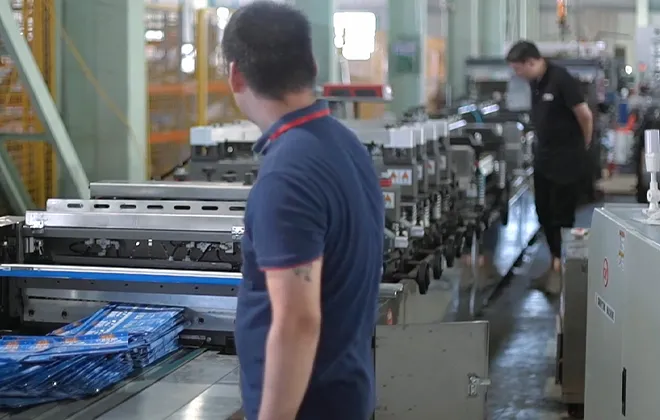
One often overlooked aspect is the supplier’s experience with your specific bag type. A machine that works perfectly for industrial liners may struggle with thin, printed shopping bags because of different friction coefficients.
Final Thoughts: Why “Best” Depends on Your Daily Reality
There is no universal “best bag making machine” – only the one that aligns with your bag style, material roadmap, and shift pattern. The bottom seal platform, however, remains the most versatile choice for standard shopping bags, especially if it includes servo control and forced cooling.
If you’re currently evaluating suppliers and want to avoid the pitfalls mentioned above, take a close look at how the equipment handles real-world variables: film thickness variation, recycled content, and continuous 24/7 operation.
For a detailed walkthrough of a production-ready line that balances speed, seal quality, and material flexibility, check out the complete equipment lineup – including case studies from existing shopping bag manufacturers.
Still unsure whether a bottom seal or side seal machine suits your next order? Reach out with your average daily output and bag dimensions – that’s where the real answer lies.