 English
 Pусский
 Español
 Apr 09,2026
When a bag manufacturing line suddenly goes down due to mismatched equipment specifications, the cost isn't just measured in repair hours—it's measured in missed deadlines, strained customer relationships, and idle labor. According to data from packaging industry surveys, nearly 30% of unplanned downtime traces back to improper equipment selection at the purchasing stage.
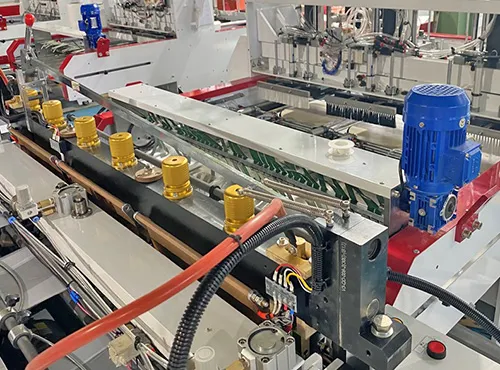
So what separates a reliable, high-output production system from a constant headache? Let's break down the critical factors that actually matter when evaluating a vest bag machine for your specific film types and output targets.
Understanding Your Production Reality First
Before diving into specifications, take an honest look at your daily operation. What film thickness range do you run most frequently? What's your peak hourly demand during rush seasons? Many buyers start by comparing maximum speeds on specification sheets, but industry veterans know that sustained speed—the speed you can maintain for eight hours without quality drift—matters far more than peak numbers.
A packaging plant in Vietnam once shared their experience: a machine rated for 300 cycles per minute couldn't exceed 180 without frequent jams on recycled-content film. The specification wasn't wrong—it just assumed ideal conditions that didn't match their actual material.
Critical Parameters That Actually Affect Output
Web Tension Control System
The most overlooked yet performance-critical component is the unwind and tension control. Poor tension management causes uneven bag lengths, seal misalignment, and excessive scrap rates. Modern systems use servo-driven dancers with closed-loop feedback, while entry-level models rely on mechanical brakes that require constant manual adjustment.
Ask your supplier: Does the system maintain tension within ±2% across the entire roll diameter range? If they hesitate, request a demonstration with your own film sample.
Heat Seal Consistency Across Width
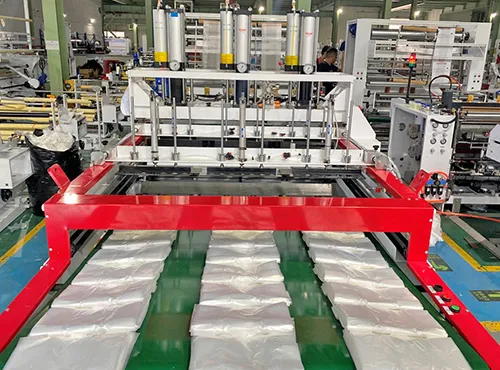
For supermarket-style bags, seal strength must be uniform from edge to edge. Temperature variation as small as 5°C across the sealing bar creates weak spots that fail under load. High-quality [vest bag making machine] designs incorporate independently zoned heating elements with individual PID controllers.
Die-Head Configuration and Film Path
The forming mechanism directly determines how consistently the bag's bottom seal aligns with side welds. Poorly designed film paths create drag that stretches material unpredictably. Look for machines with short, straight film travel and minimal redirection—every additional roller adds a potential failure point.
The Hidden Cost of "Flexible" Machines
Some suppliers promote highly adjustable models that claim to handle everything from 15-micron liners to 80-micron heavy-duty sacks. In practice, machines designed for extreme versatility often compromise on specialized performance. A dedicated high-speed unit for your primary film range will typically out-produce a "universal" machine by 25-40% in real-world conditions.
Consider this trade-off: If 80% of your orders use 20-30 micron film, prioritize optimization for that range. Reserve a separate line—or outsourcing—for the remaining 20% of specialty orders.
Common Selection Mistakes (And How to Avoid Them)
- Buying on price alone. The lowest upfront cost rarely wins on total cost per thousand bags when you factor in scrap rates, maintenance downtime, and energy consumption. A plant in Indonesia calculated that a 4% scrap rate difference between two [vest bag making machine] models added $18,000 annually in material waste alone.
- Ignoring local service availability. Even the most reliable equipment needs occasional adjustment. Ask for references within your region. How quickly does the supplier respond to after-hours calls? Do they stock critical wear parts locally?
- Overlooking power and air requirements. A machine that needs 8 bar compressed air or non-standard voltage creates hidden installation costs. Verify your facility's capabilities before signing anything.
Making Your Final Decision: A Practical Framework
Here's a selection checklist used by experienced production managers:
-
Run your own film on any shortlisted equipment. Don't accept demonstration with premium virgin material if you'll run recycled or masterbatch blends.
-
Calculate cost per thousand bags including depreciation, energy, labor, and consumables (sealing tape, knives, lubricants).
-
Request maintenance records from existing users. How often do heating elements fail? What's the real-world mean time between failures?
-
Test changeover time for your three most common bag sizes.
When Your Requirements Exceed Standard Offerings
Some production scenarios demand specialized configurations: extra-wide film for jumbo bags, reinforced sealing for heavy-duty packaging, or integration with existing printing lines. In these cases, working with a manufacturer that offers engineering support becomes critical.
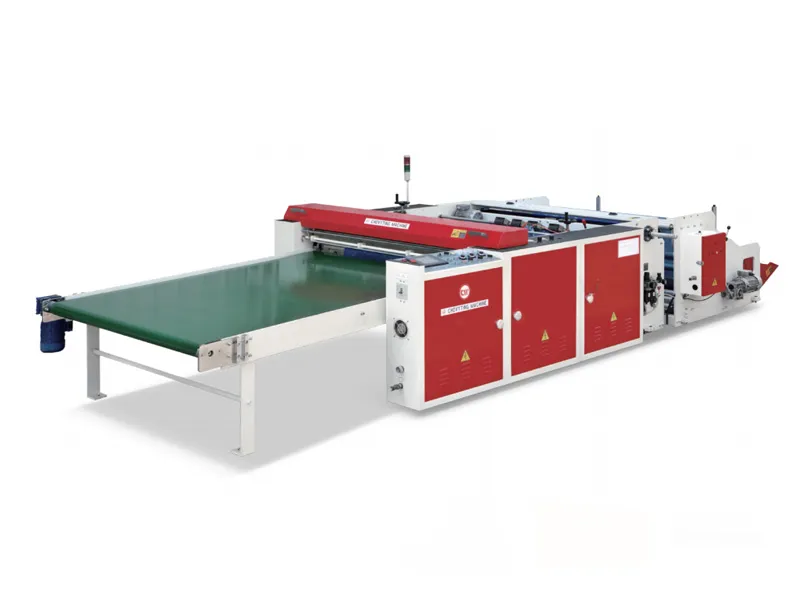
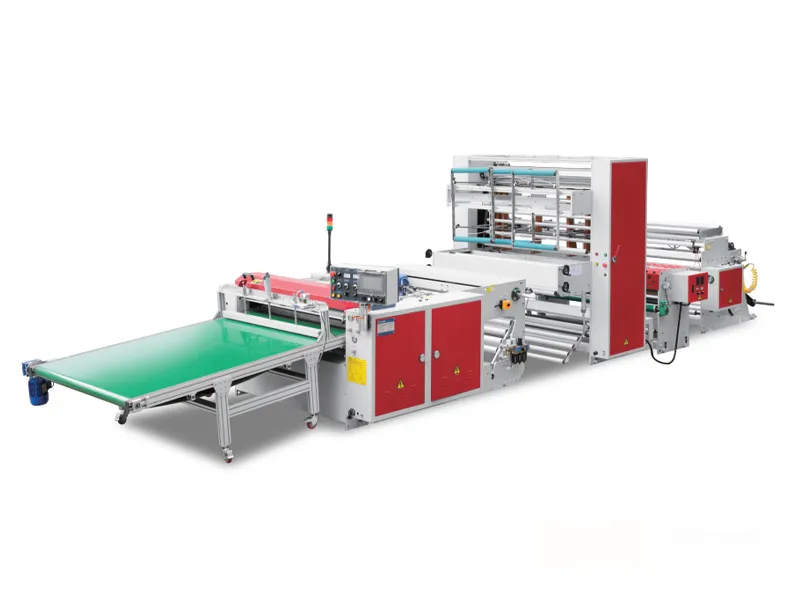
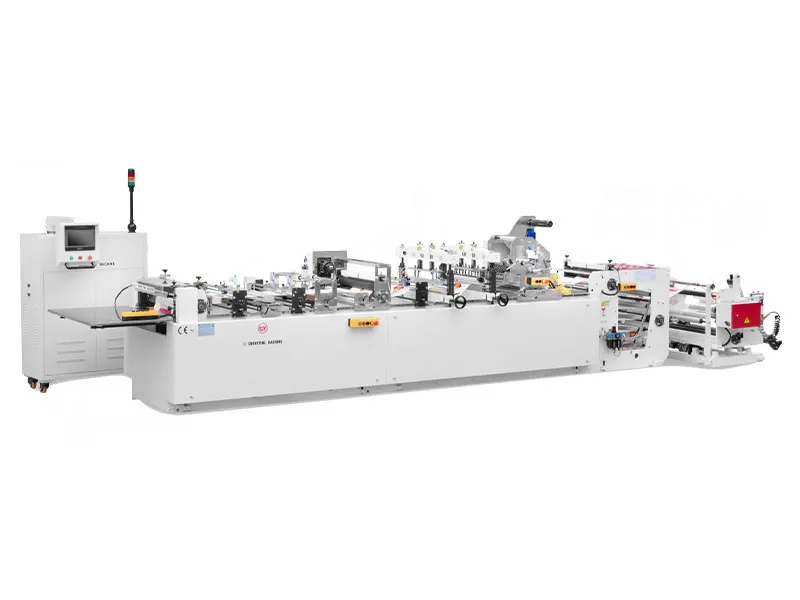
If you're operating at the higher end of the speed spectrum or need consistent output across challenging materials, explore CHovyplas's industrial bag making solutions designed with servo-driven tension control and zoned sealing systems. Their engineering team provides film testing services to validate performance before purchase.
The Bottom Line
Selecting a vest bag machine isn't about finding the fastest spec sheet or the lowest price tag. It's about matching equipment characteristics to your actual film types, shift patterns, and quality requirements. Start with honest production data, test with your own materials, and calculate total operating cost—not just purchase price. That approach consistently leads to fewer downtime surprises and healthier margins.