 English
 Pусский
 Español
 Apr 13,2026
Every packaging manager remembers that moment: a newly installed bottom sealing machine starts jamming after just three weeks of light use. Bags come out with uneven seals, leaking edges, or melted film. The production line grinds to a halt. And the “bargain” you thought you got now costs you three times its price in lost orders and rushed repairs.
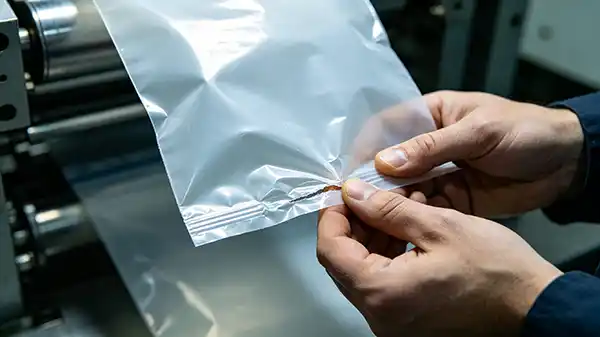
It is a frustratingly common story. In the pursuit of cutting initial costs, many manufacturers fall for attractively low-priced bottom seal bag makers. But what looks like a saving on the invoice almost always turns into a long-term liability. This article walks you through the real price of cheap equipment, the engineering shortcuts behind frequent breakdowns, and how to separate durable, high-performance machines from disposable ones.
The Hidden Costs of Cutting Corners on Bag Making Equipment
Let us put aside the purchase price for a moment and look at total cost of ownership. A low-cost bottom seal unit might save you $2,000 upfront, but then:
-
Seal integrity failures cause 5–8% product rejection in many small-to-mid packaging lines, according to industry feedback collected from trade shows. Rework and material waste add up fast.
-
Unplanned downtime – a cheap machine often lacks overload protection or modular components. When a heating element fails, the entire unit may need disassembly for hours.
-
High spare parts consumption – low-grade heaters, sensors, and belts wear out 2–3 times faster than industrial-grade counterparts. Some vendors even discontinue parts within a year.
One packaging plant in Southeast Asia reported that after switching from a no-name bottom sealer to a properly engineered system, their maintenance calls dropped from 12 per month to just 2. The cheap machine had cost them an average of $470 per week in lost production. Over a year, that is more than $24,000—enough to buy three premium machines.
What Makes a Bottom Sealing Machine Reliable? Three Engineering Must-Haves
When you look beyond the price tag, three technical aspects determine whether a bottom seal bag maker will serve you for years or become a headache.
Temperature Control Precision and Uniformity
Cheap machines often use basic on/off thermostats with ±15°C fluctuations. This leads to burnt seals at the edges and weak seals in the middle. Professional equipment employs PID controllers with thermocouple feedback, keeping temperature within ±1°C across the entire sealing bar.
Why this matters for your line: Consistent temperature directly translates to burst-resistant seals. If you are packaging heavy items (like pet food, hardware, or frozen goods), a fluctuating seal is a leak waiting to happen.
Frame Rigidity and Material Quality
Open a cheap bottom sealer’s cover and you will often find thin-gauge steel, plastic gears, and undersized shafts. Under continuous operation, these parts flex and misalign. The result: the sealing bar no longer meets the anvil squarely, creating “skip seals.”
Reliable machines use cast iron or thick welded steel frames, hardened shafts, and sealed bearings. This is not about luxury—it is about maintaining alignment after 1 million cycles.
Accessibility for Cleaning and Adjustment
In food or pharmaceutical packaging, daily cleaning is mandatory. Cheap designs often hide belts and sensors inside welded enclosures, forcing operators to use tools for basic access. Modern maintainable equipment offers tool-less entry panels and modular pull-out cartridges for heaters and knives.
This point alone can save 20 minutes per shift in cleaning time. Over a year, that is over 120 hours of labor redirected to productive work.
Key Specifications That Separate Professional Machines from Bargain Bin Units
When evaluating suppliers, do not just ask for the price. Request these five specifications. If the vendor cannot provide them, consider it a red flag.
| Parameter | Cheap / Unreliable Machine | Professional / Reliable Machine |
|---|---|---|
| Temperature control accuracy | ±10–15°C (manual or basic thermostat) | ±1°C (PID digital controller) |
| Max sealing speed | Varies wildly; often unstated | Stated with tolerance (±5%) |
| Seal bar material | Aluminum with thin coating | Hardened steel or chromium-plated |
| Electrical protection | None or fuse only | Overload relay, emergency stop, fuse |
| Spare part availability | Unclear or “subject to stock” | Published list with 3+ year commitment |
Take a moment to run this table against any machine you are considering. For a detailed breakdown of how these parameters affect daily output, feel free to explore the technical specifications of well-engineered systems.
Real-World Failure Modes: What Operators Report
During a recent industry roundtable, maintenance leads shared the most annoying failures from cheap bottom seal bag makers. Two stood out:
-
Heater burnout within 500 hours – caused by undersized mica heaters running at 110% duty cycle.
-
Encoder drift – low-resolution encoders lose position reference, making bag length inconsistent by ±5 mm or more.
One operator said, “Our cheap machine would drift after lunch. Every afternoon we had to recalibrate the bag length. That is not cost saving—that is a part-time job.”
These are not rare defects. They are inherent to components chosen solely for minimum price. To understand how industrial controls prevent such drift, check out the control system features in professional-grade equipment.
How to Avoid Expensive Downtime and Rework: A Practical Checklist
Instead of chasing the lowest bid, adopt this four-step evaluation process:
- Define your worst-case bag specs:What is the thickest film? Heaviest product? Fastest cycles per minute? Cheap machines often fail at the upper end of their claimed range.
- Ask for cycle life test data:Reputable manufacturers test their sealing mechanisms for 1 million cycles or more. If the seller says “we have no data,” move on.
- Inspect the control panel:Does it use off-the-shelf industrial controllers (e.g., Omron, Delta, Siemens) or unlabeled generic boards? Generic boards mean zero repairability.
- Calculate the break-even point:A machine that costs $3,000 more but lasts 5,000 more hours has a lower hourly cost. Use this formula:(Price difference) ÷ (expected extra hours of trouble-free operation) = true hourly premium. If it is below $0.50, the upgrade is a no-brainer.
When to Consider a Purpose-Designed System
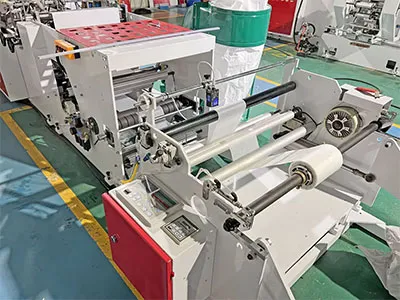
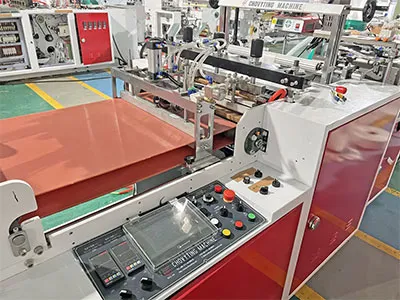
If your packaging line runs more than 4 hours daily, uses multi-layer films, or requires quick changeovers between bag sizes, you have outgrown the “cheap machine” category. At this stage, a purpose-built bottom sealing bag making machine is not an expense—it is a productivity tool.
Features that matter at this level include:
-
Servo-driven film pullers for precise length control
-
Digital pressure adjustment for different film thicknesses
-
Real-time seal temperature logging (for quality traceability)
Many packaging engineers find that after moving to a dedicated system, their scrap rate falls below 0.5%, and changeover time shrinks from 25 minutes to under 5.
Making a Decision That Protects Your Line
Cheap bottom sealing machines are designed to look good on a spreadsheet’s “initial investment” row. But they fail where it counts: on your factory floor, under real heat, dust, and continuous shifts. The hidden costs—scrapped bags, overtime repairs, missed delivery deadlines—are rarely accounted for until they hit your profit & loss statement.
If you are currently comparing offers from low-cost vendors, pause and run a 12-month total cost simulation. Include labor for repairs, replacement parts, and quality control rechecks. Most likely, the “expensive” option will show a lower total cost by month 8.
For teams that want to move beyond reactive maintenance and into reliable, high-output bag production, exploring a properly engineered platform makes sense. You can see how modular design and industrial-grade components come together in this series of bag making solutions. The right equipment does not just seal bags—it protects your brand’s packaging quality, shift after shift.
Disclaimer: Performance data referenced in this article are based on general industry observations and feedback from packaging professionals. Actual results may vary depending on materials, operating conditions, and maintenance practices. Always request machine-specific test reports from your supplier before purchase.