 English
 Pусский
 Español
 Jul 04,2025
Polyethylene is one of the most commonly used plastics in the world, serving as the foundation for a wide range of products in various industries. With its remarkable versatility, polyethylene can be molded and shaped into a variety of forms, but it primarily exists in two major variants: Low-Density Polyethylene (LDPE) and Linear Low-Density Polyethylene (LLDPE).
Both of these types of polyethylene are used extensively, yet they possess distinct characteristics that influence their suitability for different applications.
In this article, we will delve deeper into the differences between LDPE and LLDPE, exploring their unique features, properties, and the specific applications that make them ideal for different uses.
What is LDPE and LLDPE?
LDPE
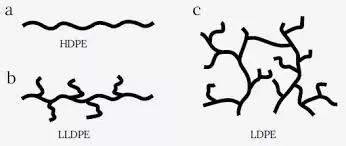
Low-Density Polyethylene (LDPE) is one of the most widely used plastics today. It is known for its high flexibility and low-density structure, which results in a softer and more pliable material. LDPE is created by polymerizing ethylene using a high-pressure process, leading to its characteristic branched structure. This structure makes it ideal for applications that require flexibility, such as plastic bags and various packaging materials.
LLDPE
Linear Low-Density Polyethylene (LLDPE) is a type of polyethylene that features a more linear structure compared to LDPE. It is produced through a different polymerization process, which results in shorter branches along the polymer chain. This gives LLDPE enhanced strength and resilience compared to LDPE. LLDPE is commonly used in applications that require durability, such as industrial liners and heavy-duty plastic films.
What is LLDPE used for?
LLDPE is widely used in a range of industries due to its excellent balance of strength, flexibility, and puncture resistance. Common applications include heavy-duty bags, agricultural films, industrial liners, and packaging materials. LLDPE plastic material is also commonly used in the production of linear low-density polyethylene bags, offering superior strength and flexibility for packaging.
Is LLDPE flammable?
LLDPE is not highly flammable; it has a relatively low burning rate compared to other plastics. However, like all plastics, it can catch fire under certain conditions. When it burns, it can produce hazardous gases, so it is essential to handle LLDPE properly in environments where fire risks are present.
Is LLDPE better than LDPE? 10 Key Differences
While both LDPE and LLDPE have their unique benefits, there are several differences that make one more suitable than the other depending on the application. Let’s explore these key differences in detail:
| Key Difference | LDPE | LLDPE |
|---|---|---|
| Flexibility | Superior flexibility, softer and more pliable | Less flexible, more rigid molecular structure |
| Tensile Strength | Lower tensile strength | Higher tensile strength, more resistant to stress |
| Molecular Structure | Highly branched structure, lower density | Linear structure with shorter side branches, higher density |
| Puncture Resistance | Lower puncture resistance | Superior puncture resistance, more durable |
| Density | Lower density | Higher density |
| Physical Properties | Excels in flexibility, commonly used for packaging | Better mechanical properties, increased impact resistance |
| Transparency | More transparent, ideal for packaging clarity | Less transparent, more suitable for industrial uses |
| Processing | Commonly used in extrusion processes | Better processing characteristics, easier to mold |
| Applications | Used in plastic bags, shrink films, and flexible packaging | Used in heavy-duty packaging, industrial liners, and agricultural films |
| Environmental Impact | Recyclable, but less durable | More durable, recyclable but more complex to recycle |
Flexibility
LDPE is known for its superior flexibility. It is softer and more pliable, making it ideal for applications such as plastic bags, shrink films, and other packaging materials. LLDPE, while flexible, tends to be slightly less so than LDPE due to its more rigid molecular structure.
Tensile Strength
Linear Low-Density Polyethylene (LLDPE) generally has higher tensile strength compared to Low-Density Polyethylene (LDPE). The linear structure of LLDPE provides more effective chain alignment, making it more resistant to stress and strain. This makes LLDPE a better choice for applications requiring durability and strength.
Molecular Structure
The primary difference between LDPE and LLDPE lies in their molecular structures. LDPE has a highly branched structure, which leads to lower density and more flexibility. LLDPE, on the other hand, features a linear structure with shorter side branches, allowing for better packing of molecules and, thus, greater strength and durability.
Puncture Resistance
LLDPE exhibits superior puncture resistance compared to LDPE. Due to its tighter molecular packing, LLDPE is more resistant to penetration, making it a better choice for applications like industrial liners and heavy-duty films where puncture resistance is critical.
Density
The key distinction between the two materials is their density. LDPE has a lower density due to its highly branched structure, whereas LLDPE has a higher density because of its linear structure. This difference impacts their respective physical properties, with LLDPE offering better strength and durability.
Physical Properties
LLDPE generally offers better mechanical properties than LDPE, including higher tensile strength, increased resistance to impact, and better flexibility in demanding applications. LDPE, on the other hand, excels in terms of flexibility and is more commonly used in packaging applications that require softness.
Transparency
LDPE tends to be more transparent than LLDPE due to its lower density and more amorphous structure. This makes LDPE ideal for packaging applications where clarity is important, such as food packaging.
Processing
Both LDPE and LLDPE are easy to process, but LLDPE generally has better processing characteristics. It can be molded and shaped more easily using various techniques like extrusion, making it more versatile in manufacturing. LDPE, however, is more commonly used in extrusion processes for films and packaging.
Applications
LDPE is widely used in applications such as plastic bags, stretch films, and shrink films. It is known for its ability to conform to various shapes and provide flexibility. LLDPE, on the other hand, is used in more demanding applications, such as heavy-duty packaging, agricultural films, and industrial liners. Its superior tensile strength and puncture resistance make it the material of choice for these applications.
Environmental Impact
Both LDPE and LLDPE are recyclable, but their environmental impact depends largely on their specific use and the methods of disposal. While LLDPE is often considered to be more durable, which can lead to longer-lasting products, it can also pose challenges in terms of recycling due to its more complex molecular structure.
LLDPE Environmentally Friendly?
LLDPE is considered to be relatively environmentally friendly compared to other plastics, mainly because it has a lower carbon footprint during production and is often used in applications that require less material. However, like all plastics, it should be recycled properly to minimize its impact on the environment.
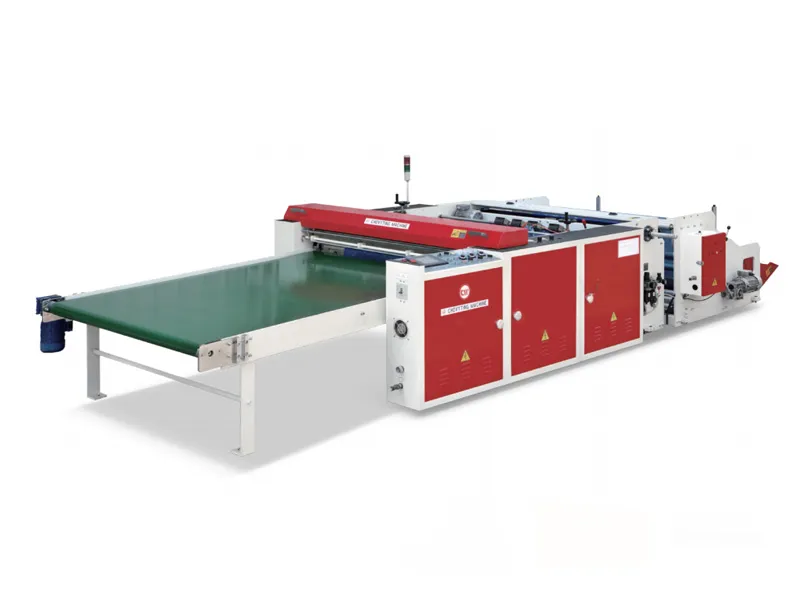
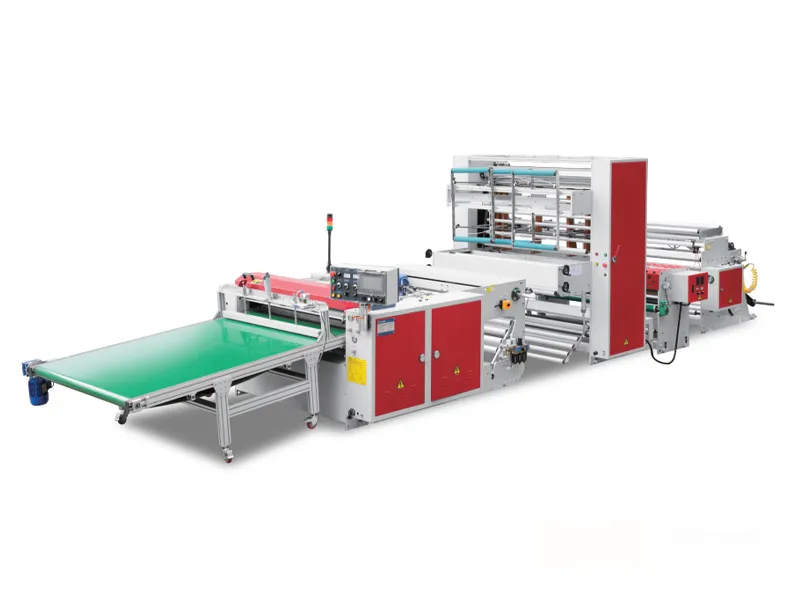
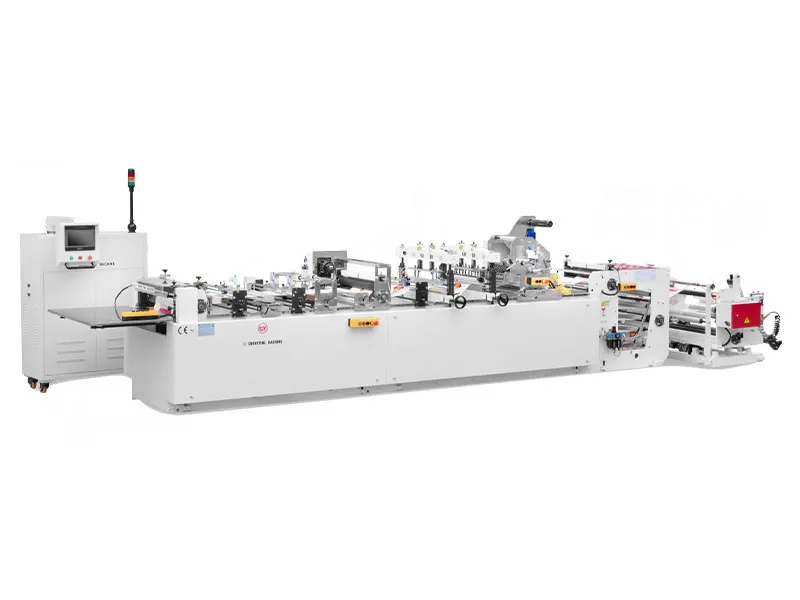
Chovyting – Your Reliable Plastic Bag Making Machine Manufacturer
When it comes to producing high-quality plastic bags and other polyethylene-based products, having the right machinery is crucial. Chovyting is a trusted manufacturer of plastic bag-making machines, offering reliable and efficient solutions for producing LDPE and LLDPE bags. Chovyting machines ensure precision, speed, and quality, allowing you to meet the growing demand for durable and cost-effective packaging materials.
Conclusion
In the debate of LDPE vs LLDPE, both materials have their unique advantages. LDPE is ideal for flexible, lightweight applications such as plastic bags and packaging materials, while LLDPE is better suited for demanding applications requiring greater strength, puncture resistance, and durability. Understanding the differences between these two types of polyethylene helps manufacturers make informed decisions about which material is best suited for their specific needs. By choosing the right polyethylene material, you can ensure optimal performance and cost-effectiveness for your product applications.