 English
 Pусский
 Español
 Jul 04,2025
Plastic Bags: A Ubiquitous Solution

Plastic bags play a pivotal role in modern packaging. Whether it’s lightweight bags for groceries or heavy-duty sacks for industrial use, their adaptability is unmatched. They’re valued for their low cost, flexibility, and ease of production, making them a mainstay in countless applications.
Why Polyethylene?
So, why is polyethylene used for plastic bags? It’s simple—polyethylene offers a perfect balance of toughness, flexibility, and chemical resistance. As the dominant material in the plastic bag industry, it serves as the foundation for multiple variations, each tailored for specific use cases. Its ability to be customized into various densities and structures allows manufacturers to produce everything from ultra-thin liners to high-strength packaging.
6 Different Types of Polyethylene Plastic Bag Material
China polyethylene plastic bags manufacture has evolved significantly, offering a wide selection of polyethylene types to meet market demands. Here are the six major types:
| Type | Full Name | Key Features | Common Uses |
|---|---|---|---|
| HDPE | High-Density Polyethylene | Strong, tear-resistant, low flexibility | Grocery bags, trash bags, hardware packaging |
| LDPE | Low-Density Polyethylene | Soft, flexible, clear, easy to seal | Bread bags, food wraps, packaging films |
| LLDPE | Linear Low-Density Polyethylene | Tough, impact-resistant, flexible | Produce bags, shipping envelopes, pallet covers |
| MDPE | Medium-Density Polyethylene | Crack-resistant, balanced strength and flexibility | Construction bags, industrial wraps |
| mPE | Metallocene Polyethylene | High clarity, strong seals, premium feel | High-end packaging, clear food bags |
| XLPE | Cross-Linked Polyethylene | Heat-resistant, very durable, chemical-resistant | Insulation, cable sleeves, protective layers |
HDPE – High-Density Polyethylene
HDPE is a strong, durable plastic with minimal branching, resulting in tightly packed molecules and high tensile strength. This material resists punctures and tears, making it ideal for carrying heavy or sharp items like hardware, sand, or bulk foods. It’s commonly found in grocery and trash bags.
LDPE – Low-Density Polyethylene
LDPE features more branching, making it less dense and more flexible than HDPE. It is widely used in applications requiring high clarity and softness, such as food packaging, bread bags, and protective wraps. LDPE is easy to seal and offers excellent moisture protection.
LLDPE – Linear Low-Density Polyethylene
LLDPE is similar to LDPE but with shorter, linear branches, giving it better tensile strength and impact resistance. It’s used in produce bags, shipping envelopes, and pallet covers, where a balance between strength and flexibility is needed.
MDPE – Medium-Density Polyethylene
MDPE falls between HDPE and LDPE in density and performance. It is tougher than LDPE and more flexible than HDPE, making it useful in industrial and construction packaging. MDPE is also more resistant to cracking and shock.
mPE – Metallocene Polyethylene
Metallocene polyethylene (mPE) is produced using metallocene catalysts that allow for precise control over molecular structure. This results in films with superior clarity, seal strength, and toughness. mPE is often used in premium packaging where aesthetics and performance are critical.
XLPE – Cross-Linked Polyethylene
XLPE is a form of polyethylene where the polymer chains are chemically cross-linked. This provides enhanced durability, chemical resistance, and thermal stability. Although not commonly used for traditional poly bags, XLPE is ideal for specialized applications like insulation and protective sleeves.
The Importance of Material Selection for Bag Manufacturing
Choosing the right polyethylene plastic bag material goes beyond just cost. Here are key considerations:
| Factor | Description | Recommended Materials |
|---|---|---|
| Strength and Durability | Needed for heavy loads and puncture resistance | HDPE, MDPE |
| Sealing Performance | Important for airtight, moisture-proof packaging | LDPE, LLDPE, mPE |
| Clarity and Aesthetics | Key for product visibility and a premium look | LDPE, mPE |
| Cost-effectiveness | Balances quality and price, ideal for bulk production | HDPE, LLDPE |
| Sustainability | Supports environmental goals through recyclable or eco-friendly materials | All types with recycled content or biodegradable additives |
Chovyting – Advanced Plastic Bag Making Machine Manufacturer
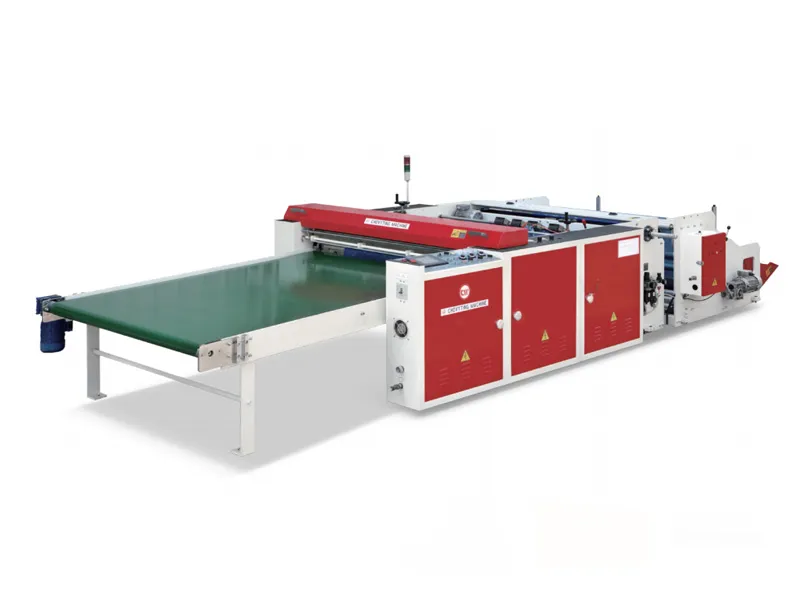
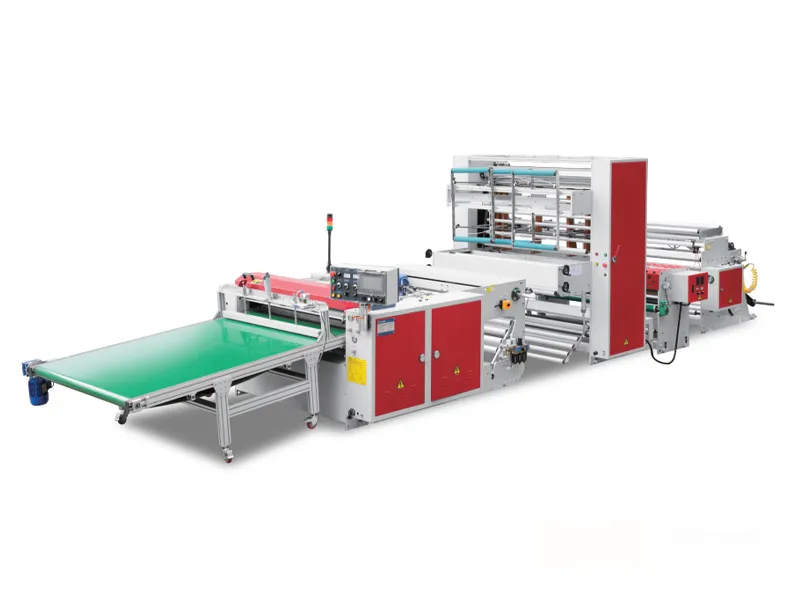
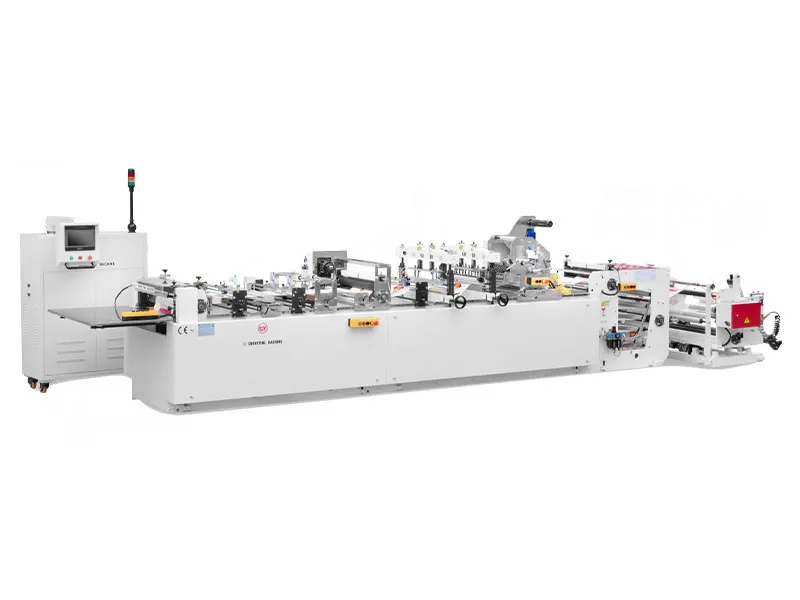
As demand grows for custom plastic bags, having the right manufacturing equipment is key. Chovyting, a trusted name in the plastic machinery industry, offers state-of-the-art solutions for polyethylene plastic bag production. Our machines support all types of polyethylene—from LDPE and HDPE to mPE—ensuring high-speed performance, precise sealing, and minimal waste. Whether you’re a startup or a large-scale China polyethylene plastic bags manufacture operation, Chovyting machines are designed to grow with your business.
Conclusion
Understanding the 6 different types of polyethylene plastic bags is essential for making informed decisions in packaging and manufacturing. Each variation—HDPE, LDPE, LLDPE, MDPE, mPE, and XLPE—has unique properties that make it suitable for different applications. Whether you’re aiming for strength, clarity, or cost-efficiency, there’s a polyethylene solution that fits your needs.
Need support in selecting the right material or upgrading your manufacturing line? Reach out to Chovyting for expert advice and reliable equipment tailored to your business goals.