 English
 Pусский
 Español
 Jul 04,2025
Plastic bags are an essential part of modern packaging, widely used in various industries, from retail stores to food packaging. Understanding the process behind their creation can give us insight into the intricate steps that bring a simple plastic bag to life. In this article, we will explore the entire polyethylene bags manufacturing process, from raw material preparation to the final inspection and packaging.
Polyethylene Bags Manufacturing Process
The production of polyethylene bags involves several stages, including plastic film extrusion, printing, sealing, and cutting. Let’s dive into each of these steps in detail to understand how plastic bags are made.
| Step | Description |
| Plastic Film Extrusion | The process of transforming raw plastic material into a thin film. |
| Cutting and Winding the Plastic Film | The formed plastic film is wound onto large rolls for further processing. |
| Printing on the Plastic Film | Flexographic printing is used to apply designs, logos, and text to the plastic film. |
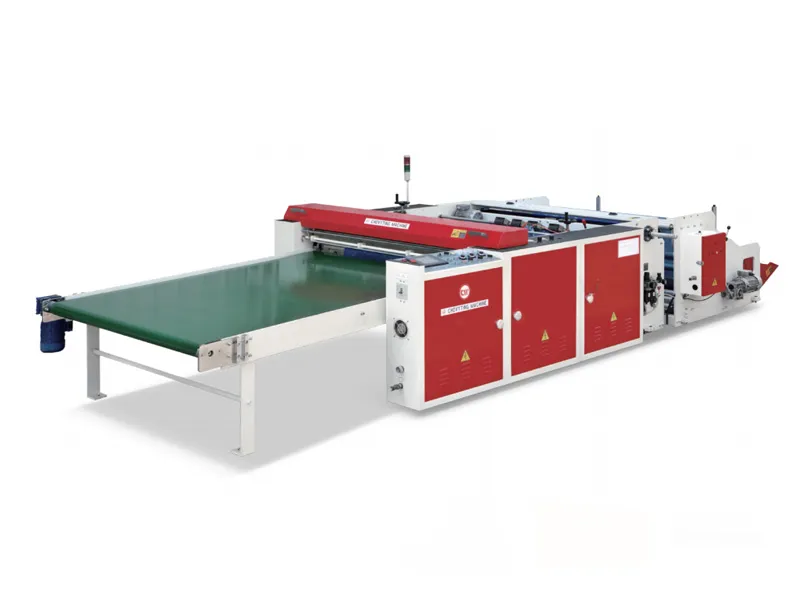
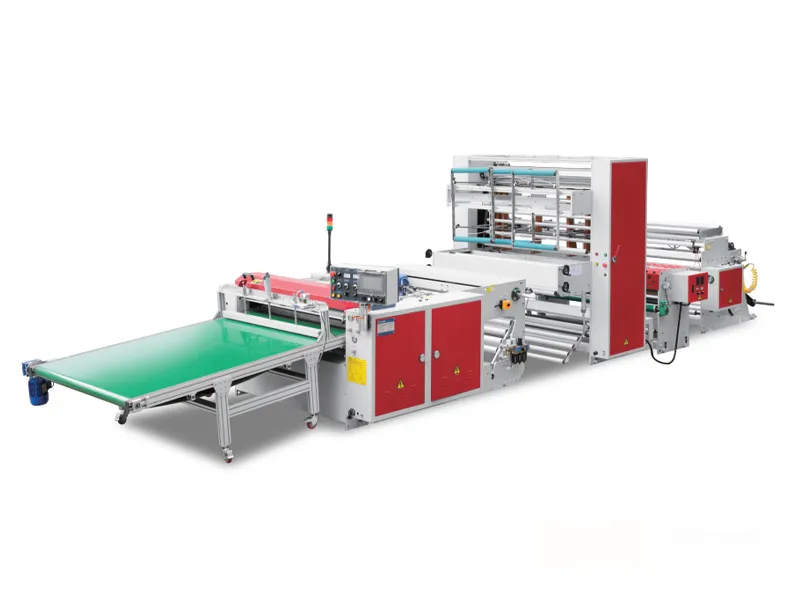
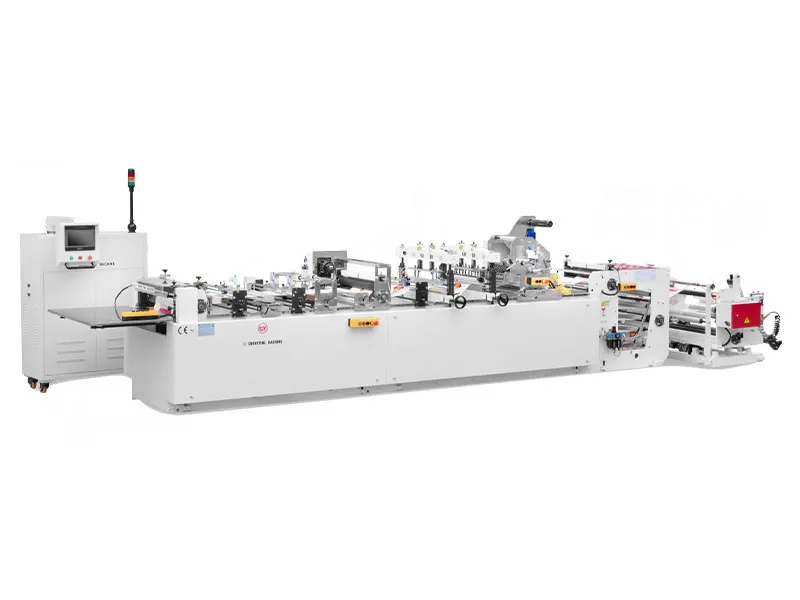
| Sealing and Cutting the Bags | The plastic film is sealed and cut into individual bags. |
| Inspection and Packaging | The final stage involves inspecting and packaging the bags for distribution. |
Plastic Film Extrusion
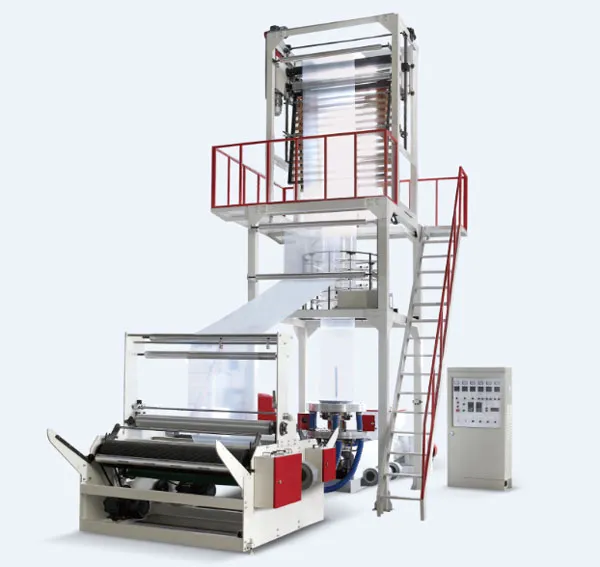
The first step in the plastic bag production process is plastic film extrusion. During this stage, raw plastic material is heated and transformed into a thin film.
| Step | Description |
| Raw Material | Plastic bags are made from polyethylene (PE) or its types like HDPE, LDPE, or LLDPE. These come as small pellets. |
| Heating | The pellets are heated in an extruder to melt them into a liquid form, which will be made into film. |
| Bubble Expansion | The melted plastic is blown into a bubble shape, and air is used to control its size and thickness. |
| Cooling and Forming | The bubble cools and passes through rollers that shape it into a thin film with the right thickness and width. |
Raw Material Preparation
Plastic bags are typically made from polyethylene (PE) or its variations, such as high-density polyethylene (HDPE), low-density polyethylene (LDPE), or linear low-density polyethylene (LLDPE). The raw form of these materials is in the shape of small pellets, known as nurdles. These pellets are carefully selected based on the desired properties of the final product, such as strength, flexibility, and clarity.
Heating and Melting
Once the raw pellets are prepared, they are fed into an extruder, where they are heated to a high temperature. This process melts the pellets into a viscous liquid, allowing the material to be shaped into a thin film. The molten plastic is ready for the next phase of the manufacturing process.
Bubble Expansion
The molten polyethylene is then extruded through a ring-shaped die, and air is blown into the material from below. This air expands the molten plastic into a large, thin bubble. The size of the bubble can be controlled to ensure the correct thickness and strength of the final film.
Cooling and Forming
As the plastic bubble rises, it cools and solidifies. It passes over a series of rollers that stretch and shape the plastic into a thin, continuous film. These rollers control the thickness and width of the film, ensuring that the material meets the specifications for the final plastic bags.
Cutting and Winding the Plastic Film
Once the film has been formed, it is prepared for further processing.
| Step | Description |
| Film Winding | The plastic film is rolled onto large rolls. |
| Transport to Printing | The rolls are moved to the printing department. |
Film Winding
The thin plastic film is continuously wound onto large rolls. These rolls can stretch for hundreds of meters, containing many layers of the thin film. These rolls are a vital part of the plastic bag production process and will be used for printing and sealing later on.
Transport to Printing Department
After winding, the plastic film rolls are transported to the printing department. Here, they will undergo the next step of the process: printing.
Printing on the Plastic Film
Printing on plastic bags is a crucial step, as it allows manufacturers to brand the bags with logos, designs, and other information. The printing process typically involves flexographic printing, a method specifically designed for lightweight materials like plastic.
| Step | Description |
| Printing Preparation | Design is created and transferred to printing plates. |
| Printing Process | The design is applied to the film using pressure, ink, and drying. |
Printing Preparation
Before the printing process begins, the artwork or design is prepared. This can include logos, product information, or even decorative patterns. The designs are transferred to printing plates that will be used in the flexographic printing press.
Printing Process
The plastic film is fed into the printing press, where the design is transferred to the surface of the film using a combination of pressure, ink, and drying. This process allows for high-quality, durable prints on the surface of the plastic, making the bags more appealing for retail and commercial use.
Sealing and Cutting the Bags
After printing, the plastic film goes through the final stages of sealing and cutting, which shape the material into individual bags.
| Step | Description |
| Edge Sealing | The sides of the film are sealed together using heat. |
| Cutting to Size | The film is cut into specific sizes based on bag requirements. |
Edge Sealing
The two sides of the printed plastic film are aligned and sealed together using heat-sealing machines. This creates the basic structure of a plastic bag, ensuring that the edges are securely joined and that the bag can hold its contents without tearing.
Cutting to Size
Once sealed, the continuous roll of plastic film is cut into specific lengths based on the size of the bags needed. These sizes can vary depending on the type of bag being produced, whether it’s for grocery use, retail, or industrial purposes.
Inspection and Packaging
After the bags are cut, they undergo a final inspection and packaging process.
| Step | Description |
| Quality Inspection | The bags are checked for print quality, seal strength, and size. Defects are addressed. |
| Packaging | The bags are packed into bundles or boxes for shipment to retailers or consumers. |
Quality Inspection
Each batch of plastic bags is thoroughly inspected for quality. This includes checking the print quality, the strength of the seals, and ensuring that the bags meet size specifications. Any defects are detected and addressed to maintain the highest standards of production.
Packaging
Once the bags pass inspection, they are packed into bundles or boxes for shipment. These bundles are then sent to retailers, warehouses, or directly to consumers. The packaging ensures that the bags remain intact and are ready for use.
Conclusion
The process of how plastic bags are made involves a series of detailed and carefully controlled steps. From the initial raw material preparation and extrusion to printing, sealing, and packaging, each phase plays a vital role in ensuring the bags meet the required standards for use in various industries. The polyethylene bags manufacturing process combines advanced technology with precision to create durable, high-quality products used worldwide.
Understanding these steps is not only fascinating but also important for businesses involved in plastic production or those looking to enter the plastic packaging industry. By comprehending the entire production cycle, you can make more informed decisions about the materials and processes that best suit your packaging needs.