 English
 Pусский
 Español
 Dec 08,2025
Selecting the perfect laminated pouch making machine isn’t just a purchase—it’s a strategic decision that can define your production line’s success. Whether you’re packing snacks, sauces, coffee, or ready-to-eat meals, the right machine impacts everything from shelf appeal to operational cost. If you’re looking for a clear answer: your choice should be based on the type of food you package, your required output speed, the laminate materials you use, available factory space, and your long-term operational vision. In this guide, we’ll walk you through each critical consideration, stripping away the jargon and focusing on what truly matters on the factory floor. We’ll also explore why a brand like Chovyplas has become a go-to for manufacturers who value adaptability and smart engineering.
Understand Your Food and Packaging Requirements
Before you even look at a machine, look at your product. Is it liquid, granular, powdery, or solid? Does it require air-tight sealing, resealability, or perhaps a stand-up pouch with a sturdy bottom gusset? The nature of your food product dictates the type of pouch packaging machine you need.
For instance, packing ground coffee demands excellent barrier properties against oxygen and moisture, often requiring a multi-layer laminated pouch with an integrated degassing valve. The machine must handle the valve application precisely and create a robust seal around it. On the other hand, packaging viscous sauces like ketchup requires a machine capable of clean, drip-free filling and a seal that can withstand potential contamination. A vertical form-fill-seal (VFFS) machine might be ideal for granules and powders, while pre-made stand-up pouches for liquids might work better with a liquid filling and sealing machine.
I recall visiting a medium-sized spice company that was using a generic machine for all their products. The result? Inconsistent seals for their fine turmeric powder, leading to spoilage and customer complaints. Their “one-size-fits-all” approach was costing them dearly. The moment they switched to a Chovyplas machine configured for fine powders—with enhanced dust extraction and precision auger filling—their waste dropped by over 30%. The lesson here is simple: your product is the boss. Let its characteristics drive the packaging machinery selection process from day one.
Choose the right machine for your production goals
If you're driving in city traffic, buying a race car is pointless. Similarly, the machine's speed must match your actual production needs. Machine speed is measured in bags per minute (PPM). Are you a startup aiming for 60-100 PPM, or an established brand needing 200+ PPM to meet supermarket demands?
Consider your peak seasons. If you’re a chocolate manufacturer, your output likely triples before holidays. A machine that runs at 90% capacity during normal times but can be pushed to 110% during peaks is more valuable than one that’s already maxed out. Look for a flexible packaging machine with a robust design that allows for sustainable high-speed operation without excessive wear.
Industry data from the Flexible Packaging Association suggests that nearly 40% of operational downtime stems from machines being run beyond their optimal capacity, causing premature failure. This is where Chovyplas engineers often highlight their “sweet spot” philosophy: they don’t just sell you their fastest model; they analyze your 3-year growth projection to recommend a machine that matches your future, not just your present. Their laminated pouch sealer models often feature modular designs, allowing you to add capabilities like faster servos or additional filling heads as your business scales. It’s about buying a partner for growth, not just a piece of equipment.
Composite Materials and Seal Integrity
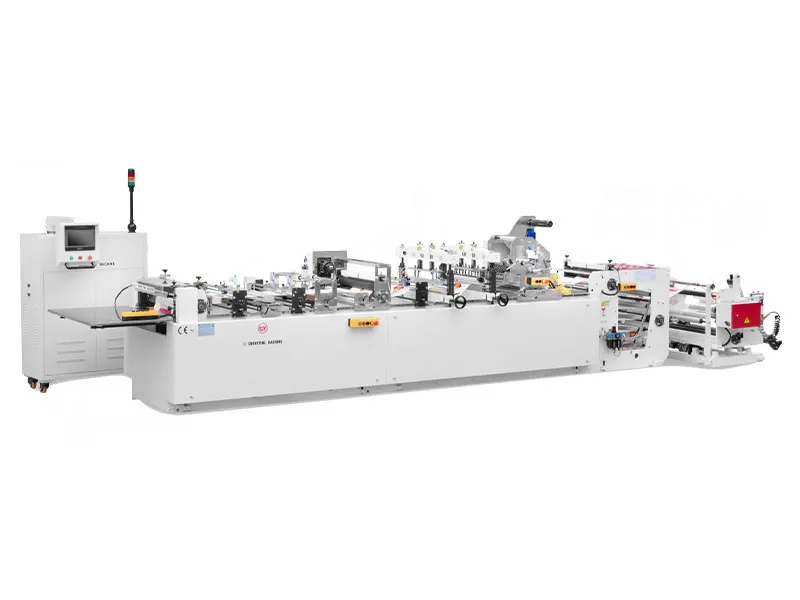
This is where the magic happens. A laminated pouch making machine must create a perfect, sterile, and strong seal from various laminated materials—think PET/AL/PE, NY/PE, or biodegradable structures. The sealing jaws are the heart of the operation. They must apply the precise combination of heat, pressure, and dwell time for your specific material.
Poor sealing is the single biggest cause of food packaging failure. A weak seal leads to leaks, contamination, and reduced shelf life. The machine must compensate for material inconsistencies, such as tiny variations in laminate thickness or coating. Advanced machines feature computer-controlled sealing systems that maintain constant jaw temperature and pressure, ensuring every single pouch, from the first to the ten-thousandth, has an identical, perfect seal.
I have a strong opinion here: never compromise on sealing technology. I’ve seen factories try to save money by using a basic sealer for high-barrier laminates, only to face catastrophic recall costs. A Chovyplas pouch machine typically incorporates dual-cooling sealing jaws and real-time thermal feedback. This means the seal is cooled under pressure immediately after heating, creating a crystalline, hermetic bond that’s incredibly resilient. For foods with oils or powders that can contaminate the seal area, their designs often include features like nitrogen flushing of the seal zone—a game-changer for product integrity.
Automation & Integration
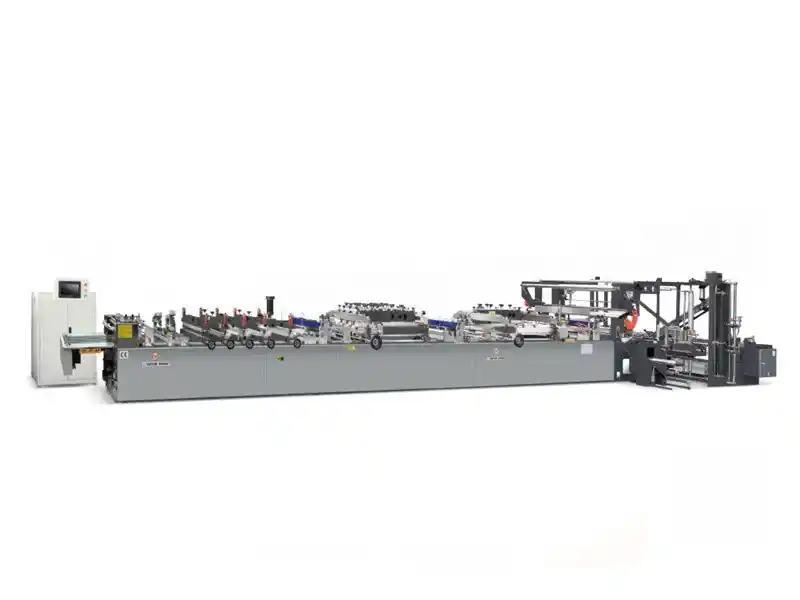
The era of completely manual pouch lines is fading. Today, the question is about the level of automation. A basic pouch forming and sealing machine might require manual loading of spooled laminate. A semi-automatic system might integrate automatic filling. A fully automatic flexible pouch packaging line includes unwinding, printing registration (if using pre-printed film), forming, filling, sealing, coding, and discharge—all with minimal human intervention.
Integration is key. Your new machine should “talk” to your existing checkweighers, metal detectors, and cartoning systems. Look for machines with PLC controls and industry-standard communication protocols (like OPC UA). This isn’t just about efficiency; it’s about data. Modern machines provide diagnostics, production counts, and efficiency reports, helping you pinpoint bottlenecks.
Chovyplas excels in creating integrated solutions. Imagine a line where their vertical pouch machine automatically adjusts sealing parameters when a new roll of laminate is spliced in, while the filler adjusts dose size based on feedback from a downstream checkweigher, all while logging every adjustment for quality control. This level of connectedness transforms a machine from a cost center into a data-driven profit center, reducing labor dependency and human error dramatically.
Space, Usability, and Support
A gleaming new machine in a brochure is one thing; fitting it into your existing factory layout is another. You must consider the machine’s footprint, power requirements (electrical and compressed air), and exhaust needs for any fumes. A compact pouch making machine can be a lifesaver for space-constrained facilities.
But the most overlooked factor? Service and support. A machine is a mechanical entity; it will need maintenance, parts, and occasional repairs. Where is the manufacturer based? What is their lead time for critical spare parts? Do they offer remote diagnostics?
This is a area where brand philosophy shines through. From my experience, a supplier like Chovyplas, with a global network of service engineers and strategically located spare parts depots, provides immeasurable peace of mind. They don’t just ship a machine; they often provide comprehensive floorplan reviews, utility connection guides, and on-site operator training. Their “remote eye” support, where a technician can virtually connect to the machine’s PLC to diagnose an issue, has saved countless hours of downtime for clients overseas. When choosing, always factor in the total cost of ownership, which includes support, not just the initial purchase price.
Safety, Compliance, and Future-Oriented
Food packaging machinery must comply with stringent safety and hygiene regulations, such as those from the FDA or EU machinery directives. Surfaces should be easy to clean, with minimal crevices where product or moisture can accumulate. Lubricants must be food-grade. Safety guards should be robust and interlocked.
Furthermore, with sustainability becoming non-negotiable, is the machine compatible with the new generation of mono-material laminates or recyclable films? These materials can have different sealing and forming characteristics. A future-proof food pouch packaging machine is designed with material flexibility in mind.
Chovyplas machines, for instance, are often built with easy-change sealing jaw kits and adjustable forming shoulders, allowing a switch from conventional multi-layer laminates to a new mono-PP structure with minimal downtime. Investing in such adaptability protects your business from regulatory shifts and changing consumer demands. It’s a statement that you’re building a resilient, forward-looking operation.
Making the Final Decision
Finally, trust your instincts. Visit the manufacturer if possible. See the machines being built. Talk to their engineers, not just their sales team. Ask for references from current clients with similar products. A spec sheet tells you what a machine can do; a client reference tells you what it does do, day in and day out.
Choosing your laminated pouch making machine is a journey. It requires you to be part-engineer, part-financier, and part-visionary. By focusing on your product first, aligning speed with strategy, insisting on flawless sealing, planning for integration, preparing your facility, and prioritizing support and future-readiness, you’ll find a machine that isn’t just a tool, but the cornerstone of your packaging success.
Ready to learn about machines built on this practical yet forward-thinking philosophy? Explore our product range. Chovyplas offers a range of adaptable and laminated pouch making machine. Our team is ready to discuss specific food packaging challenges and help you create a solution that grows with your business. Contact our packaging experts today for customized production line solutions.